 Save
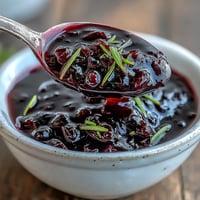
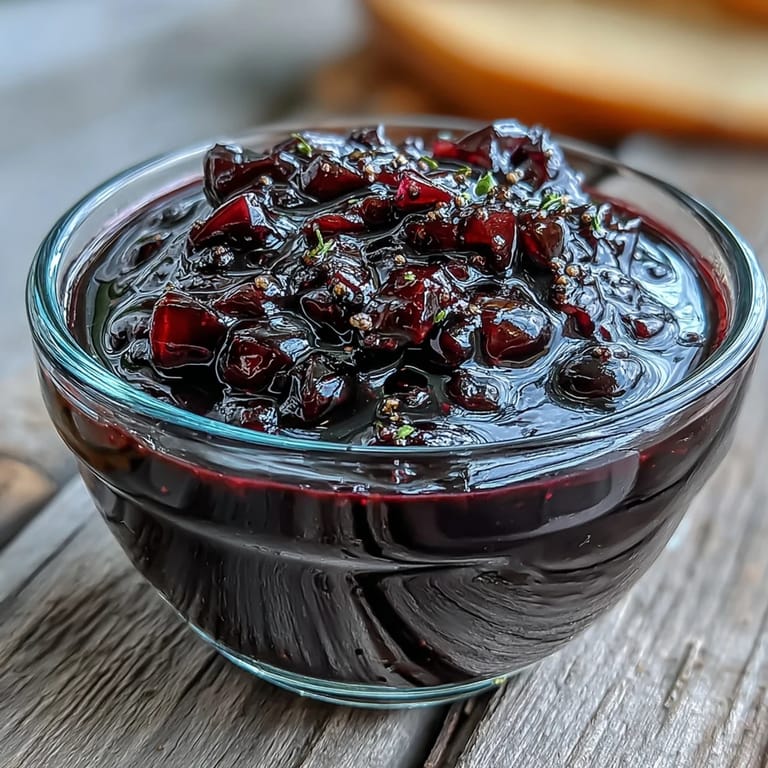
Save I discovered black currant vinaigrette quite by accident when a jar of intensely tart black currant juice sat forgotten in my fridge, practically demanding to be rescued. Rather than waste it, I whisked it into a simple vinaigrette one afternoon, and the result was so vibrant and unexpected that it became my go-to dressing for nearly everything. The deep purple-red color alone makes people pause before their first taste, but it's that perfect balance of tartness and richness that keeps them coming back for more.
I remember bringing this to a potluck salad dinner where everyone arrived with their standard store-bought dressings, and I almost didn't mention I'd made mine from scratch. But when someone asked what made their greens taste so interesting, I watched their surprise when I explained it was just black currant juice and a few pantry staples—suddenly everyone wanted the recipe scribbled on a napkin.
Ingredients
- Black currant juice, unsweetened: This is your star ingredient, bringing a bold fruity tartness that defines the whole dressing—look for it in the juice aisle or specialty section, and resist anything sweetened since you're controlling the balance yourself.
- Red wine vinegar or apple cider vinegar: Either works beautifully, though red wine vinegar leans more sophisticated while apple cider vinegar adds a subtle earthiness.
- Fresh lemon juice: A squeeze of brightness that keeps the dressing from becoming one-dimensional.
- Extra virgin olive oil: This isn't the place to compromise—good olive oil makes the emulsion silky and the flavor round.
- Dijon mustard: A small spoonful acts as your emulsifier, helping the oil and juice come together while adding a subtle depth.
- Honey or maple syrup: Optional, but I've learned this is your secret weapon when the tartness feels like it's winning the battle.
- Shallot, finely minced: Don't skip this—that little bit of onion bite transforms the dressing from sweet-tart to genuinely complex.
- Sea salt and freshly ground black pepper: Season to taste since everyone's threshold for saltiness varies.
Tired of Takeout? 🥡
Get 10 meals you can make faster than delivery arrives. Seriously.
One email. No spam. Unsubscribe anytime.
Instructions
- Build your flavor base:
- In a medium bowl, whisk together the black currant juice, vinegar, lemon juice, Dijon mustard, honey if using, minced shallot, salt, and pepper until everything is well combined and the shallot is evenly distributed. Take a moment to taste it straight—you should feel that tart punch balanced by the mustard's depth.
- Emulsify with patience:
- Slowly drizzle the olive oil into the bowl while whisking continuously, moving your whisk in steady circles as the oil gradually incorporates and the dressing becomes silky and cohesive. This slow method makes all the difference between a properly emulsified vinaigrette and one that separates the moment it hits your greens.
- Taste and trust your palate:
- Take another taste and adjust the seasoning—if it feels too tart, add a touch more honey or oil to round it out; if it's flat, a pinch more salt or pepper can wake it up. Remember that the acidity will mellow slightly once the dressing sits, so don't over-correct in the moment.
- Store or serve:
- Use the vinaigrette immediately for the brightest flavor, or transfer it to a jar with a tight-fitting lid and refrigerate for up to a week. Shake well before each use since the oil and juice will naturally separate in storage.
 Save
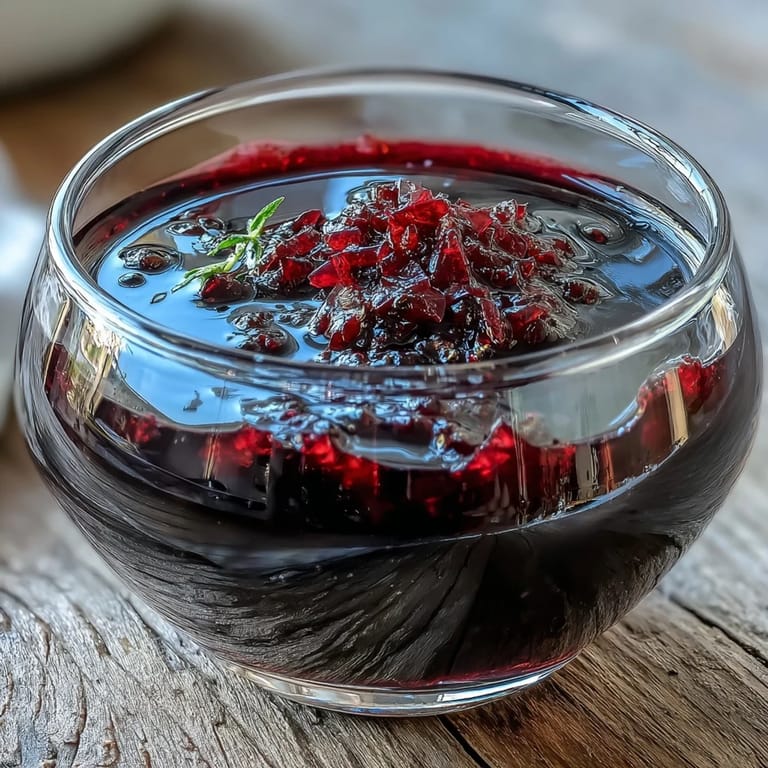
Save There was this one Wednesday when I dressed a simple spinach salad with this vinaigrette for lunch, and my partner walked by mid-bite and asked for a taste. We ended up sitting together longer than usual, talking about nothing in particular while we finished the whole bowl, and that's when I realized how a genuinely good dressing can turn a quick lunch into an actual moment worth savoring.
When to Reach for This Dressing
This vinaigrette has a way of making whatever it touches feel special, which means you'll find yourself using it far beyond basic salads. I've drizzled it over roasted beets and goat cheese, tossed it with grain bowls, and even spooned it alongside grilled salmon where it cuts through the richness perfectly. The tartness and fruitiness make it particularly magical with any slightly sweet vegetable, and it transforms humble greens into something you'd actually want to eat rather than just finish.
The Shallot Question
I used to strain out the shallot pieces because I thought a smooth vinaigrette was more refined, but I learned the hard way that those tiny bits of minced shallot are actually doing the heavy lifting flavor-wise. Now I only strain it if I'm dressing something delicate where texture matters, and even then I'm usually tempted to skip that step. The shallot particles don't sink or separate—they stay suspended and add a pleasant little bite in every spoonful.
Playing with Substitutions
If black currant juice isn't sitting in your pantry right now, this recipe is forgiving enough to work with pomegranate or cranberry juice instead—each brings its own character and tartness. I've even experimented with a mix of berry juices when I was curious, and while purists might object, the principle stays the same: you're after that balance between fruity, tart, and rich. The foundation is solid enough that small ingredient swaps won't derail you, and honestly, those moments of improvisation are how you discover what you actually love.
- If your vinegar tastes especially harsh, use apple cider vinegar instead of red wine vinegar for a mellower approach.
- A tiny pinch of whole grain mustard instead of Dijon adds texture and a different kind of complexity.
- Don't skip the lemon juice even if you're already using tart juice—that brightness is its own contribution.
 Save
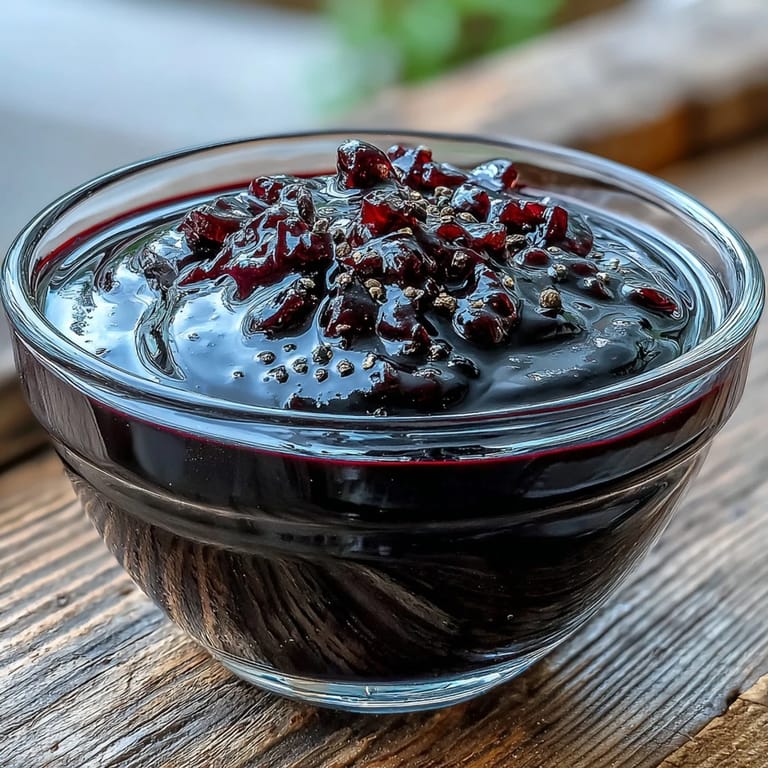
Save This dressing has become my small rebellion against the bland, and I hope it becomes yours too. Keep a jar in your fridge and watch how it turns ordinary Thursday nights into something worth sitting down for.
Recipe Help & Answers
- → How long does this vinaigrette keep?
Store in an airtight jar in the refrigerator for up to 1 week. Shake well before each use as separation may occur.
- → Can I use different vinegar?
Yes, red wine vinegar or apple cider vinegar both work beautifully. Champagne vinegar would also be lovely for a lighter touch.
- → What can I substitute for black currant juice?
Pomegranate or cranberry juice make excellent alternatives with similar tart profiles. Adjust sweetener to taste based on your chosen juice.
- → Is this suitable for meal prep?
Absolutely. Make a batch on Sunday and use throughout the week. The flavors actually develop and meld better after a day or two.
- → Should I strain the dressing?
Straining through a fine mesh sieve creates a smoother texture, but leaving the minced shallot provides more flavor and texture. It's entirely up to your preference.