 Save
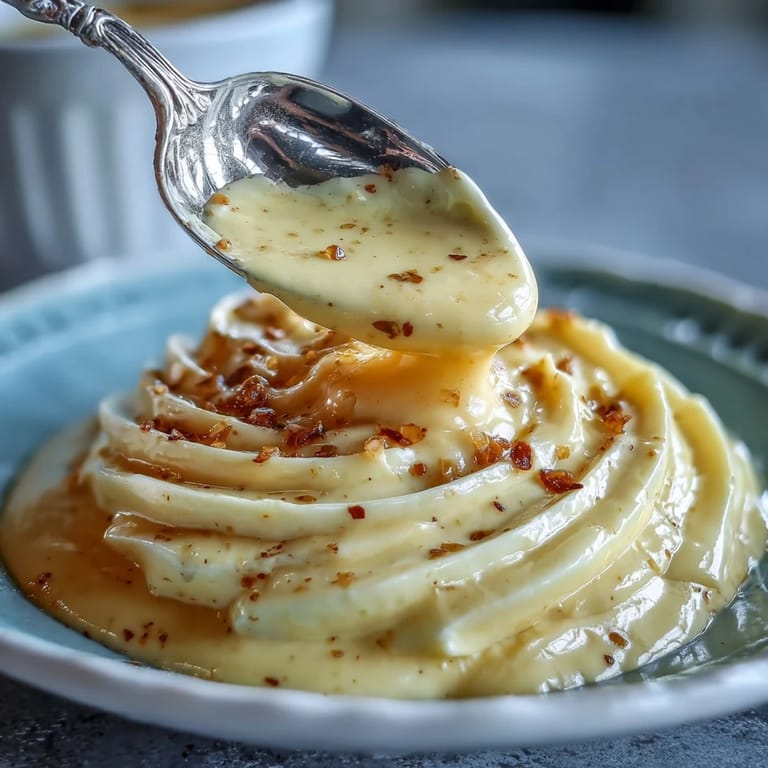
Save One rainy April morning, the steady sound of eggshells tapping and the sizzle of butter melting made my tiny kitchen feel like a Parisian café. I’d always admired hollandaise from afar—those glossy ribbons I saw cascading down brunch plates seemed elusive, prone to heartbreak. But my first attempt with a blender battered all intimidation away and filled the room with a buttery lemon fragrance that surprised even me. Somehow, the hum of the blender became a small kitchen victory ringtone. There’s almost magic in transforming just a handful of ingredients into a sauce so silky, you’ll find reasons to keep making it long after Easter brunch has passed.
One spring afternoon when friends gathered for brunch, my blender hollandaise upstaged my painfully wobbly poached eggs. Instead of panicking over split sauce, I poured, served, and basked in the applause—as if I did this every weekend. My chef friend, who once warned me about hollandaise heartbreak, just shrugged and asked for seconds. That’s the moment this recipe became my kitchen ace in the hole.
Ingredients
- Unsalted butter: Go for high-quality butter here; melting it until just bubbling adds rich body without browning or bitterness.
- Large egg yolks: The right yolks create that signature silkiness—be sure they’re fresh for the brightest color and flavor.
- Fresh lemon juice: Freshly squeezed makes every difference, adding brightness and a gentle tang.
- Dijon mustard (optional): Just a dab offers extra stability—an insurance policy against separating.
- Salt: Seasoning is everything; add a pinch, taste, and you’ll notice the sauce truly comes alive.
- Cayenne or black pepper: Just a whisper sharpens the butter’s richness without overpowering.
Tired of Takeout? 🥡
Get 10 meals you can make faster than delivery arrives. Seriously.
One email. No spam. Unsubscribe anytime.
Instructions
- Melt the butter:
- Heat butter in a saucepan or microwave-safe bowl until it’s completely melted and starting to bubble, but don’t let it turn brown.
- Prepare the blender base:
- Add egg yolks, lemon juice, mustard (if using), salt, and your choice of pepper to the blender; the colors should already look sunny and inviting.
- Blend the egg mixture:
- Blend on medium for about 10 seconds; you’ll see the mixture grow pale and gently frothy.
- Drizzle in the melted butter:
- With the blender on low, steadily pour in the hot butter in a thin stream—listen for that satisfying whir as the sauce thickens to a glossy cream.
- Season and serve:
- Taste for lemon and salt, then pour generously over eggs Benedict, steamed asparagus, or your favorite spring vegetables.
 Save
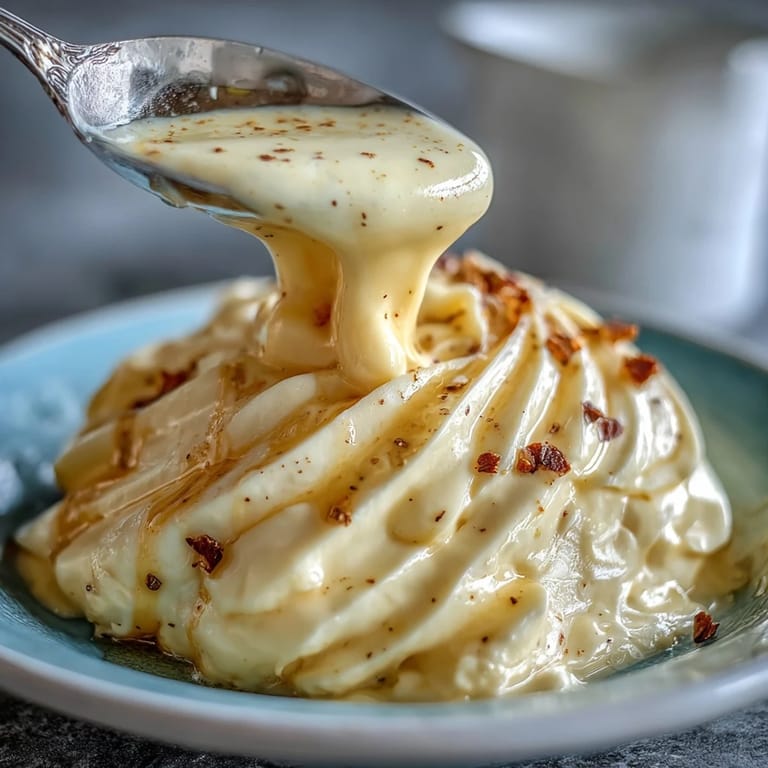
Save There’s a sly satisfaction in watching friends marvel over a sauce they expected from a restaurant, not my little blender. The first time I saw that glossy ribbon on someone else’s plate—knowing it was my handiwork—I started planning brunches just for the excuse to make it again.
Foolproof Brunch Upgrades
This hollandaise became the star of my spring table, almost accidentally upstaging the main dish. Steamed asparagus or blanched artichoke leaves turn into luxury sides with just a generous pour. If someone’s skeptical about vegetables, this trick just might win them over.
How to Fix a Split Sauce
If you ever see your sauce break—a sad sight, with oily streaks instead of silky gold—don’t panic. A teaspoon of hot water and a quick re-blend nearly always brings it back together. I've even saved a forgotten batch rescued from the brink before guests arrived.
Creative Twists on a Classic
Some weekends, I sneak in a bit of smoked paprika or swap half the butter for olive oil when I want a lighter, earthier flavor. This sauce invites playful tweaks: I’m not above whisking in fresh herbs or a pinch of grated lemon zest when inspiration strikes.
- For a dairy-free version, clarified plant-based butter works surprisingly well.
- Be sure to serve the sauce promptly; it’s at its glossiest right after blending.
- If you’re holding it for a few minutes, resting the blender in warm water keeps everything perfect until showtime.
 Save
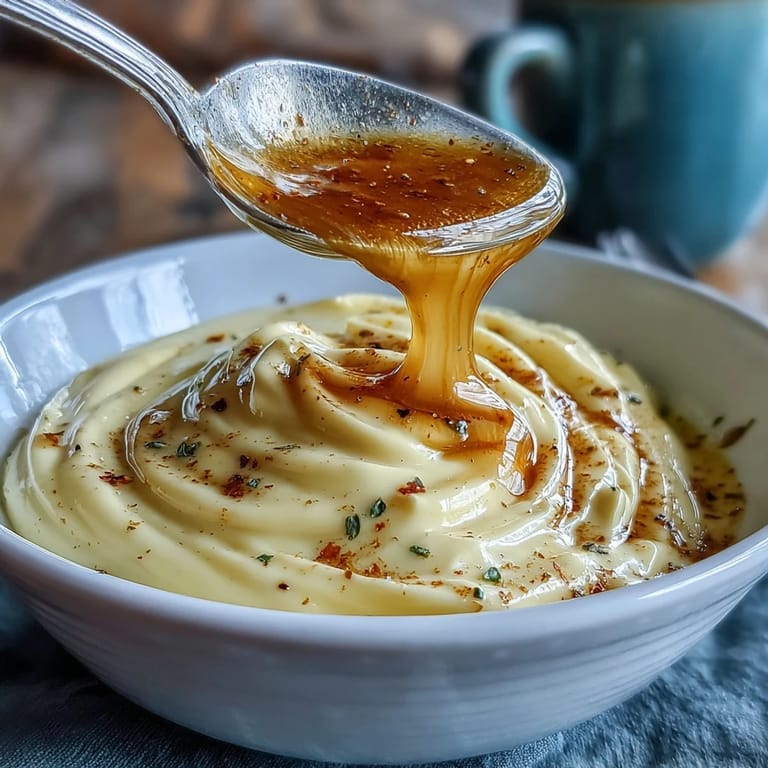
Save Sometimes the smallest kitchen triumphs end up the most celebrated. Once you see those golden ribbons run over your eggs or vegetables, you’ll wonder why you ever hesitated to make this at home.
Recipe Help & Answers
- → Can I use whole eggs instead of yolks?
Whole eggs will yield a lighter, less stable emulsion. Using yolks gives the richest, creamiest texture; if you use whole eggs, work quickly and keep the butter warm but not scalding.
- → How do I prevent the sauce from splitting?
Stream the hot butter in slowly while blending on low. If separation begins, stop adding butter and blend a tablespoon of warm water into the mixture to help re-emulsify.
- → Is clarified butter or oil an option?
Clarified butter increases stability and shelf life; using half butter and half a neutral oil lightens the sauce and reduces richness while maintaining a smooth emulsion.
- → Can I keep the sauce warm before serving?
Keep the blender jug in a bowl of warm (not hot) water to hold temperature briefly. Avoid direct heat that could cook the yolks or break the emulsion.
- → How long does it keep and how should I store it?
Best used immediately for texture. You can chill leftovers in an airtight container for up to 24 hours; gently rewarm and whisk in a little hot water to restore silkiness before serving.
- → What are classic pairings?
Traditional matches include eggs Benedict, poached salmon, steamed asparagus, artichokes, and roasted spring vegetables—the lemon and butter balance complements rich or green ingredients.