 Save
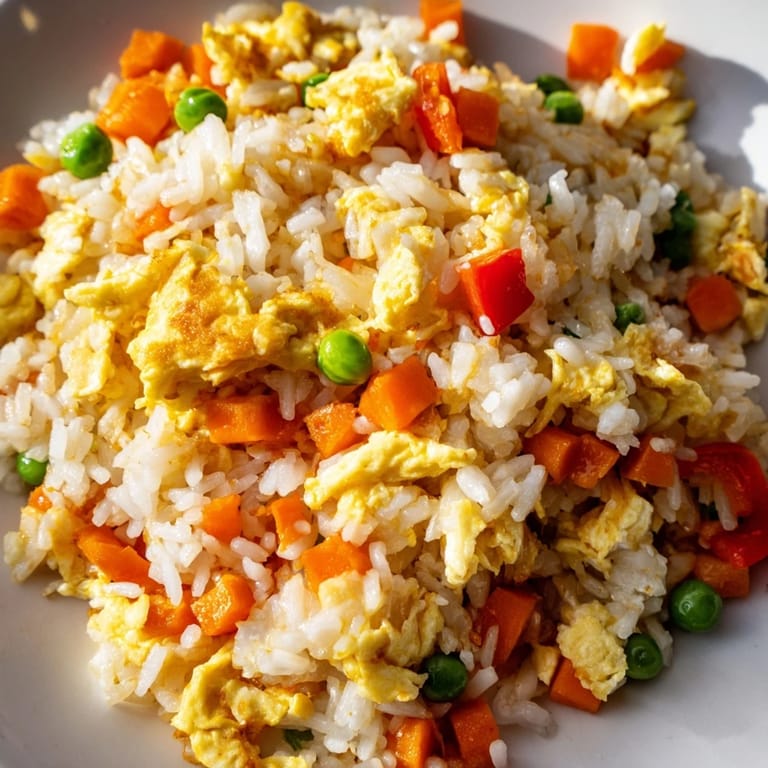
Save My tiny apartment kitchen became an impromptu cooking school the night my friend Mei showed me how her grandmother made egg fried rice. The wok hissed and popped as she tossed rice with practiced flicks of her wrist, explaining that proper fried rice needs to be cooked with the heat of conviction. That evening changed everything about how I approached stir-frying, transforming it from a leftover disposal method into an art form.
Last Tuesday found me staring at a container of sad leftover rice from Sunday dinner, remembering Meis lesson about cold grains being essential for achieving that coveted restaurant texture. The wok was smoking slightly as I added the oil, a detail she emphasized creates those crispy bottom bits everyone fights over. My roommate wandered in drawn by the aroma of garlic and ginger, asking what restaurant I had ordered from.
Ingredients
- 4 cups cold cooked white rice: Day old rice works best because the grains have dried out slightly, preventing that mushy texture that ruins fried rice
- 3 large eggs: Room temperature eggs scramble more evenly and incorporate better into the dish when added back in
- 2 tbsp vegetable oil divided: Using high smoke point oil prevents burning during high heat stir frying
- 1 cup frozen peas and carrots thawed: Frozen vegetables actually work beautifully here because they maintain some texture during quick cooking
- ½ cup scallions finely sliced: The white parts go in early for flavor while reserved green tops add fresh pop and color as garnish
- ½ red bell pepper diced: Adds sweetness and a bright contrast against the savory soy sauce
- 3 tbsp soy sauce: Low sodium lets you control salt levels while still getting that deep umami flavor
- 1 tsp toasted sesame oil: A little goes a long way, adding that distinctive nutty aroma at the very end
- ½ tsp ground white pepper: Provides gentle heat without the dark specks of black pepper
- 1 clove garlic minced: Fresh garlic beats garlic powder every time for authentic flavor
- 1 tsp fresh ginger grated optional: Adds warm complexity but skip if your family prefers simpler flavors
Tired of Takeout? 🥡
Get 10 meals you can make faster than delivery arrives. Seriously.
One email. No spam. Unsubscribe anytime.
Instructions
- Prep your eggs first:
- Beat eggs with a pinch of salt in a small bowl until yolks and whites are completely combined
- Create fluffy egg ribbons:
- Heat 1 tablespoon oil in a large wok over medium high heat, add beaten eggs and scramble gently until just set but still moist, then transfer to a plate
- Build your flavor base:
- Add remaining oil to the wok and sauté garlic, ginger if using, and white scallion parts for 30 seconds until fragrant
- Cook the vegetables:
- Add peas, carrots, and bell pepper, stir frying for 2 to 3 minutes until vegetables are just tender
- Add the rice:
- Increase heat to high, add cold rice breaking up clumps with your spatula, and stir fry for 2 to 3 minutes until heated through and slightly crispy
- Bring everything together:
- Return scrambled eggs to the wok breaking them into small pieces, then stir in soy sauce, sesame oil, and white pepper until evenly combined
- Finish with fresh garnish:
- Top with reserved scallion greens and serve immediately while still steaming hot
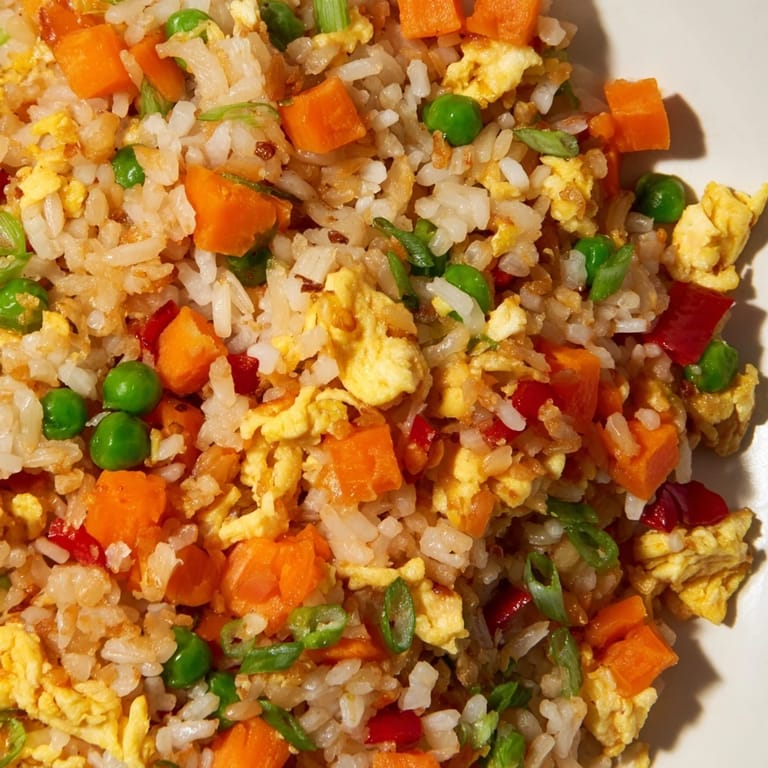 Save
Save This recipe has saved countless weeknight dinners when energy runs low but hunger runs high. The sound of rice hitting the hot wok creates this satisfying crackling that signals something delicious is coming. It has become my go to for using up odds and ends from the fridge, transforming them into something that feels intentional rather than patched together.
The Rice Secret
Spreading leftover rice on a baking sheet and refrigerating it uncovered overnight dries the grains perfectly for frying. This restaurant trick changed my home game completely, producing individual grains instead of clumps. The texture difference is honestly like night and day compared to using freshly cooked rice.
Protein Variations
While the classic egg version is beautiful on its own, adding pre cooked proteins makes this a complete meal. Diced leftover chicken, thawed shrimp, or cubed tofu can all be added along with the rice during the final stir fry phase. Just remember to adjust your seasoning if the protein was already salted during cooking.
Make It Yours
The beauty of fried rice lies in its adaptability to whatever your family loves or what you have on hand. Different vegetables work wonderfully, from corn to diced broccoli to baby spinach added at the very end. The technique remains the same regardless what goes into the pan.
- Swap the soy sauce for tamari to keep it gluten free without losing that savory depth
- Add a drizzle of chili oil or sriracha if your family enjoys some heat in their dinner
- Try cauliflower rice mixed with regular rice for a lighter version that still satisfies
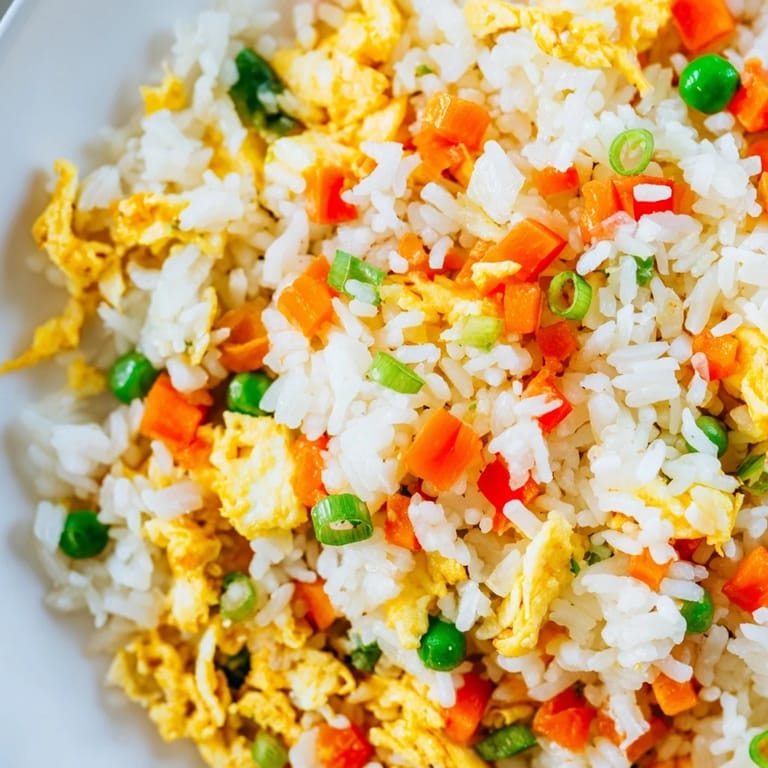 Save
Save Serve this alongside simple steamed dumplings or let it stand alone as a satisfying one bowl meal. Either way, the empty plates will tell you everything you need to know.
Recipe Help & Answers
- → Why use day-old rice?
Cold, day-old rice has less moisture, which prevents the dish from becoming mushy. The grains separate easily and develop a perfect slightly crispy texture when stir-fried at high heat.
- → Can I use fresh rice instead?
Freshly cooked rice contains too much moisture and will result in a soft, clumpy texture. If you must use fresh rice, spread it on a baking sheet and refrigerate uncovered for 2-3 hours to dry slightly before cooking.
- → What other proteins can I add?
Cooked shrimp, diced chicken, pork, or tofu work wonderfully. Add pre-cooked proteins during the last 2 minutes of cooking to heat through without overcooking.
- → How do I prevent sticking?
Use a well-seasoned wok or non-stick skillet and ensure it's thoroughly heated before adding oil. Keep the ingredients moving constantly with a wooden spatula to prevent rice from sticking to the bottom.
- → Can I make this gluten-free?
Simply substitute regular soy sauce with tamari or coconut aminos. Verify all other ingredients are certified gluten-free, especially any pre-made sauces or seasonings you might add.
- → How do I store leftovers?
Store in an airtight container in the refrigerator for up to 3 days. Reheat in a skillet over medium-high heat, adding a splash of water if needed to prevent drying. Avoid microwaving as it makes rice rubbery.