 Save
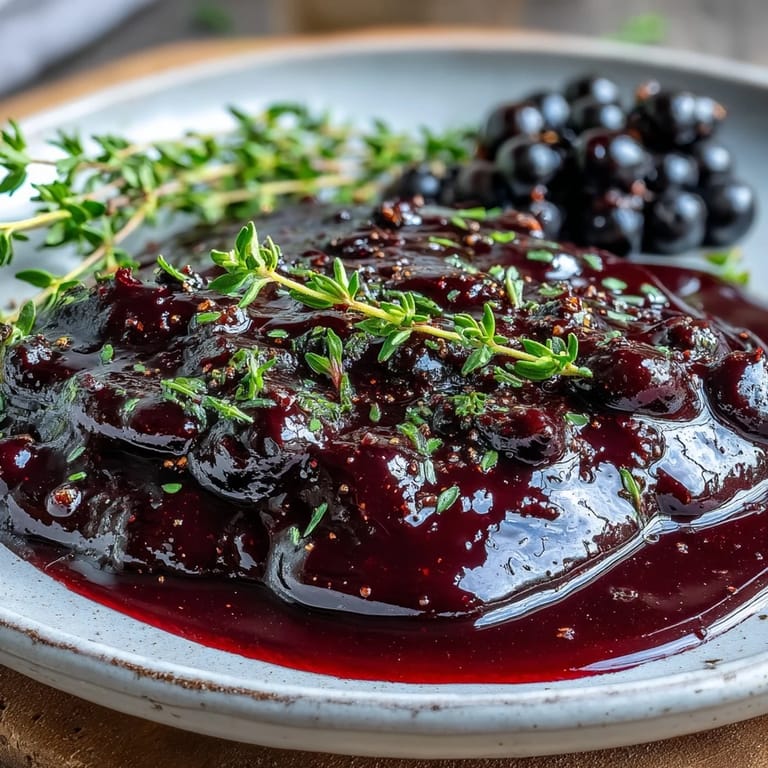
Save I discovered black currant reduction by accident during a dinner party when my wine reduction threatened to taste flat over the duck I'd been planning all week. A friend spotted a bag of frozen black currants in my freezer and casually suggested I toss them in—something her grandmother used to do in Lyon. Twenty minutes later, I was spooning this glossy, jewel-toned sauce over the meat, and suddenly the whole plate sang with complexity I hadn't expected.
Years later, I made this sauce for my partner's parents when they visited unexpectedly—the kind of dinner where you suddenly realize you care more about impressing people than you'd like to admit. Watching them pause mid-bite, forks suspended, as they experienced that first taste of tart fruit meeting rich meat, I understood why this simple sauce had worked its way into so many kitchens.
Ingredients
- Black currants (1 cup, 150 g fresh or frozen): These little berries are your foundation—they bring a bright, almost bracing acidity that cuts through rich meats beautifully; frozen works just as well as fresh and is often easier to find.
- Dry red wine (1 cup, 240 ml): Choose something you'd actually drink; the wine's tannins and body are what give this sauce its backbone and depth.
- Chicken or vegetable stock (1/2 cup, 120 ml): This softens the wine's intensity slightly and adds body without overwhelming the delicate currant flavor.
- Balsamic vinegar (2 tbsp, 30 ml): A measured splash adds glossy sweetness and rounds out the acidity—resist the urge to add more unless you want to chase that flavor forever.
- Shallot (1 small, finely chopped): Shallots are more subtle than onions and dissolve into the sauce, leaving only their gentle, almost floral note behind.
- Fresh thyme sprig: This herb whispers rather than shouts; it keeps the sauce French and sophisticated without competing with the fruit.
- Bay leaf: One leaf is enough; it anchors everything without announcing itself.
- Granulated sugar (2 tbsp, 25 g): This balances the wine's dryness and currant tartness, creating that appealing contrast on the palate.
- Freshly ground black pepper and fine sea salt: Grind your pepper fresh if you can; it matters more here than you'd think.
- Cold unsalted butter (2 tbsp, 30 g): The final cubes of cold butter emulsify into the sauce at the end, creating that glossy, silky finish that makes it look like you've been trained in a professional kitchen.
Tired of Takeout? 🥡
Get 10 meals you can make faster than delivery arrives. Seriously.
One email. No spam. Unsubscribe anytime.
Instructions
- Start with butter and shallot:
- Melt a tablespoon of butter over medium heat until it stops foaming, then add your finely chopped shallot. Watch as it turns from opaque to translucent over 2 to 3 minutes—that's your signal it's ready for the next step.
- Build the sauce base:
- Add the black currants, red wine, stock, balsamic vinegar, thyme, bay leaf, sugar, salt, and pepper all at once and stir everything together. You'll see the mixture transform from a loose collection of ingredients into something that smells unmistakably like something special.
- Reduce and concentrate:
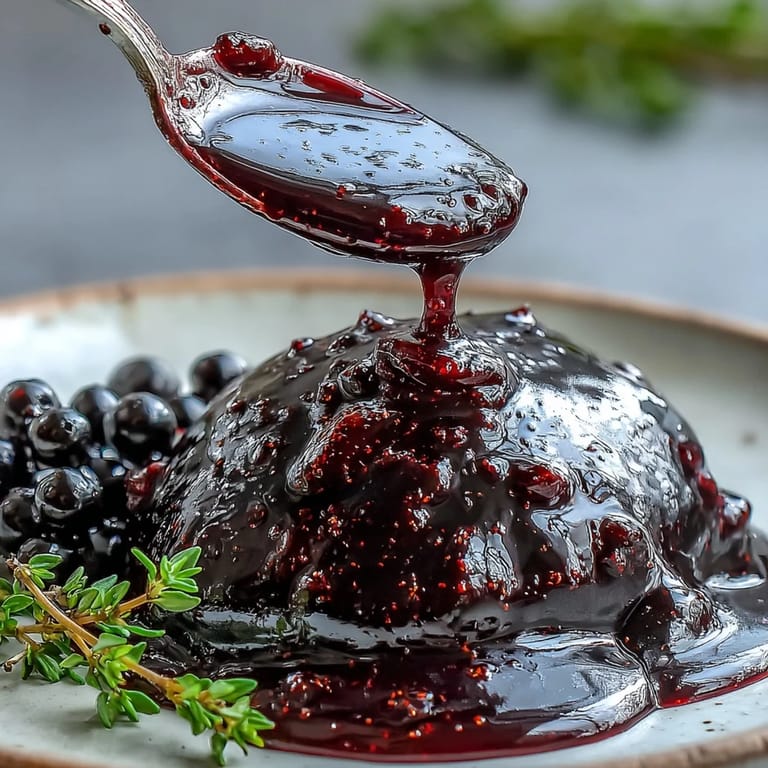
- Bring the mixture to a gentle boil, then lower the heat and let it simmer uncovered for 15 to 20 minutes, stirring now and then. You're looking for the liquid to reduce by about half—it should coat the back of a spoon and smell intensely concentrated and slightly syrupy.
- Strain out the solids:
- Remove the thyme and bay leaf by hand, then pour the sauce through a fine mesh strainer into a clean saucepan, pressing down gently on the currants and shallot with the back of a spoon to release every last drop of flavor. This step separates a homemade sauce from something that tastes half-finished.
- Finish with butter:
- Return the strained sauce to low heat and whisk in the remaining cold butter cubes one or two at a time, waiting for each piece to almost disappear into the sauce before adding the next. This is the moment the sauce goes from good to glossy, developing a silky mouthfeel that feels almost luxurious.
- Taste and serve:
- Give the sauce a final taste and adjust the salt, pepper, or a dash more vinegar if it needs sharpening. Serve it warm, drizzled generously over roasted duck, pork, venison, or even a board of good charcuterie.
 Save
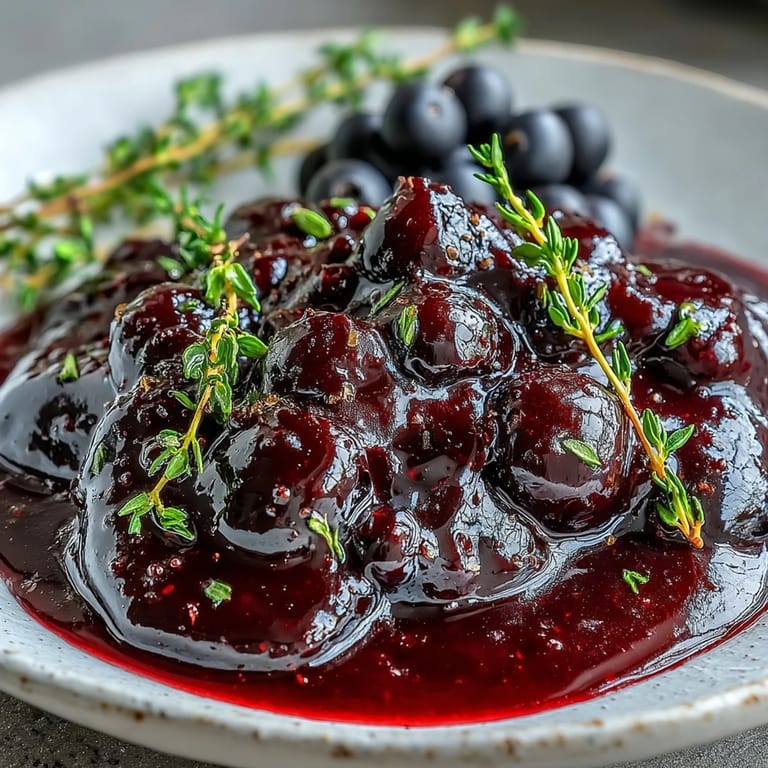
Save I'll never forget the moment one of my dinner guests asked for the recipe, then came back months later to tell me they'd made it for their own family—and that their teenage daughter, who normally picks at everything, asked for seconds. That's when I understood that great food is really just an excuse to watch people light up.
When to Make This Sauce
This sauce shines alongside any roasted meat that can handle a little acidity and tart fruitiness. Duck is the classic pairing, but it's equally at home with rich pork chops, venison, or even beef tenderloin if you're feeling bold. I've also spooned it over a charcuterie board as a finishing flourish, and it elevates simple cured meats into something that feels intentional and special.
The Beauty of Make-Ahead Cooking
One of the smartest things about this recipe is that it actually improves after a day in the fridge—the flavors meld and deepen overnight, which means you can make it the day before your dinner and simply warm it gently on the stove when you're ready to serve. I learned this by accident when I made extra sauce for leftovers and found myself preferring the next day's version to the fresh batch.
Small Variations That Matter
This sauce is flexible enough to bend to what's in your pantry or what you're in the mood for. If you want extra depth, replace a quarter of the red wine with crème de cassis—your grandmother's trick if she was French. For a sharper edge that cuts through fattier meats, add another splash of vinegar at the very end, tasting as you go. Consider adding a pinch of dried rosemary alongside the thyme, or even a tiny scrape of orange zest if you want something brighter and more unexpected.
- Crème de cassis swapped for part of the wine brings an almost floral sweetness and deepens the black currant flavor exponentially.
- A tiny pinch of ground cinnamon or clove can sneak in without anyone quite knowing why the sauce tastes so complete.
- If you can't find fresh black currants, dried ones work too—just soak them briefly in warm wine before adding to give them back some plumpness.
 Save
Save Every time I make this sauce, it reminds me that the most memorable meals don't come from complicated techniques or rare ingredients—they come from paying attention, tasting as you go, and understanding that even a simple reduction can become something people remember. Make this sauce, pour it over meat you've roasted with care, and watch what happens.
Recipe Help & Answers
- → What meats pair best with black currant reduction?
Black currant reduction shines with rich, roasted meats like duck, pork tenderloin, venison, or lamb. The sauce's tangy-sweet profile cuts through fatty proteins beautifully. It also elevates charcuterie boards, pâtés, and terrines.
- → Can I use frozen black currants?
Absolutely. Frozen currants work perfectly and are often more accessible. Thaw them before adding to the pan, though they'll break down during simmering anyway. The flavor remains excellent.
- → How far ahead can I make this reduction?
Make it up to 2 days in advance. Store in an airtight container in the refrigerator. Gently reheat over low heat before serving—don't boil, or the butter may separate. The flavors often deepen and improve overnight.
- → What if I can't find black currants?
Try substituting with fresh blackberries, blueberries, or a combination. The flavor profile will shift slightly—blackberries offer similar tartness, while blueberries lean sweeter. Adjust sugar accordingly.
- → Why strain the sauce before finishing?
Straining removes skins, seeds, and cooked aromatics for a velvety, professional texture. Pressing firmly on the solids extracts maximum flavor. If you prefer a rustic sauce with texture, skip this step.
- → Can I make this dairy-free?
Yes. Omit the butter finish or substitute with a plant-based alternative. The sauce won't be quite as glossy or emulsified, but the flavor remains delicious. Try adding a teaspoon of olive oil for richness instead.