 Save
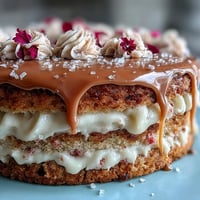
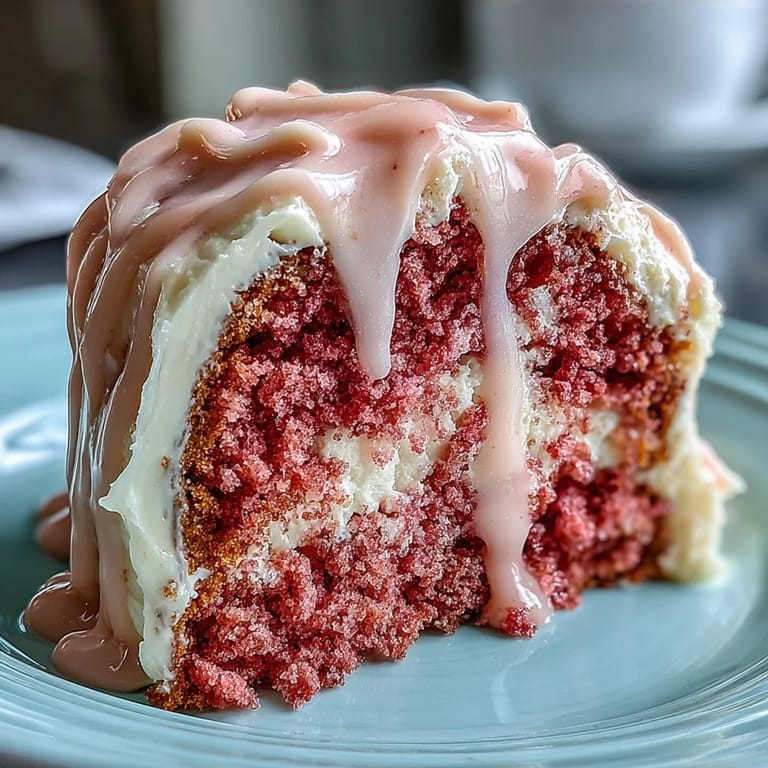
Save The sight of rose-pink crumbs and gold-splashed chocolate first filled my kitchen last spring, just as a gentle breeze carried in hints of blossoms through the open window. I had volunteered to bring dessert to a friend's bridal shower and felt a giddy responsibility to bake something worthy of such a bright, love-filled day. The idea of mixing lively rosé wine into a velvet-soft cake seemed both celebratory and just a touch rebellious. What I didn't expect was how seriously everyone took that glittery gold drip—the chatter paused and phones appeared before the first slice even landed on plates. Creating this cake became part bake, part event: my counter a stage, pans and piping tips my props.
I still laugh thinking about how my cousin, usually unflappable, gasped when I poured the rosé into the batter, convinced it would taste "like a wine tasting gone rogue." But as the cake cooled and the kitchen filled with the faintest hint of berries and vanilla, she hovered with outstretched fork, eager for the first bite. That afternoon, watching her go back for seconds while gold sparkled on her nose, I understood how food can turn a simple celebration into an unforgettable memory.
Ingredients
- Cake flour: Sifted for an extra tender crumb; using cake flour really keeps the cake delicately light instead of dense.
- Granulated sugar: This sweetens the batter and helps form a soft, moist structure.
- Baking powder and baking soda: I learned to use both for just the right lift—be sure they're fresh for reliable rise.
- Salt: Don't skip it; salt brings out all the subtle flavors hiding in the mix.
- Unsalted butter: Combining it with oil balances flavor and helps the cake stay tender even after chilling.
- Vegetable oil: This keeps the crumb moist and plush, especially important when the cake is served cold.
- Large eggs: Room temperature eggs mix in seamlessly for a tender crumb without overbeating.
- Rosé wine: Choose a fruity, non-sparkling rosé; the flavor lingers delicately once baked.
- Vanilla extract: It gives warmth to the cake, rounding out the wine notes.
- White vinegar: A trick inherited from red velvet traditions—vinegar helps the color stay vivid and cakes turn out extra soft.
- Pink gel food coloring (optional): Just a touch gives the crumb a dramatic blush; a little goes a long way.
- Cream cheese: Softened for silky-smooth frosting—it needs to be plenty soft to avoid lumps.
- Powdered sugar: Sifted for lump-free, fluffy sweetness in the frosting.
- Heavy cream: This makes the gold drip glossy and luscious without turning runny.
- White chocolate: Choose high-quality white chocolate; it melts smoother and tastes less cloyingly sweet.
- Edible gold luster dust: Only food-grade, and be ready to paint carefully—smudges don't look glamorous.
- Vodka or lemon extract: Use a tiny splash for mixing the luster dust into a gold "paint." It dries fast and shines beautifully.
- Parchment paper: The secret to releasing cake layers with their edges perfectly intact.
Tired of Takeout? 🥡
Get 10 meals you can make faster than delivery arrives. Seriously.
One email. No spam. Unsubscribe anytime.
Instructions
- Prep the pans:
- Grease your three 8-inch pans, trace circles of parchment for the bottoms, and line them—your insurance for easy layer release.
- Mix dry ingredients:
- In a big bowl, whisk cake flour, baking powder, baking soda, and salt until they're evenly blended.
- Cream butter, oil, and sugar:
- Beat the butter, oil, and sugar together until the mixture is light and fluffy; it should look pale and a bit aerated.
- Add eggs and flavoring:
- Incorporate eggs one by one, scraping down the bowl as needed, then stir in vanilla and vinegar until just mixed.
- Alternate flour and rosé:
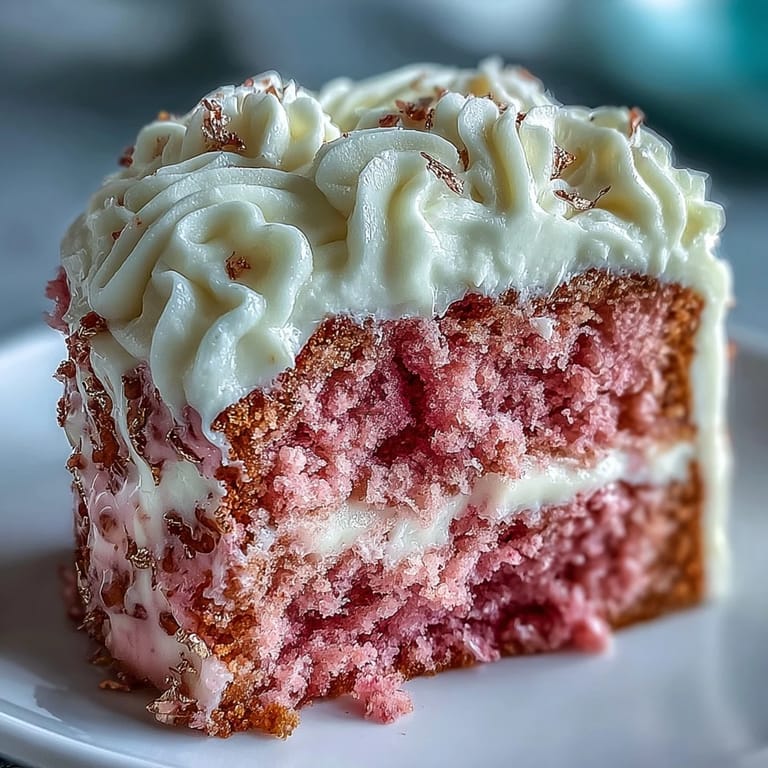
- Add flour mixture in three parts and rosé in two, starting and ending with flour, stopping once just combined; swirl in pink coloring if using.
- Divide and bake:
- Pour batter evenly into prepared pans, level the tops, and bake until a toothpick comes out clean, 30–35 minutes.
- Cool the cakes:
- Let cakes rest in their pans for 10 minutes, then flip out onto wire racks to cool completely for fuss-free assembly.
- Make cream cheese frosting:
- Beat cream cheese and butter together until silky, then work in powdered sugar gradually—add vanilla and a pinch of salt at the end.
- Assemble and frost:
- Trim tops if needed for flat layers; stack with frosting in between, then smooth a thick layer all around the cake.
- Make the gold drip:
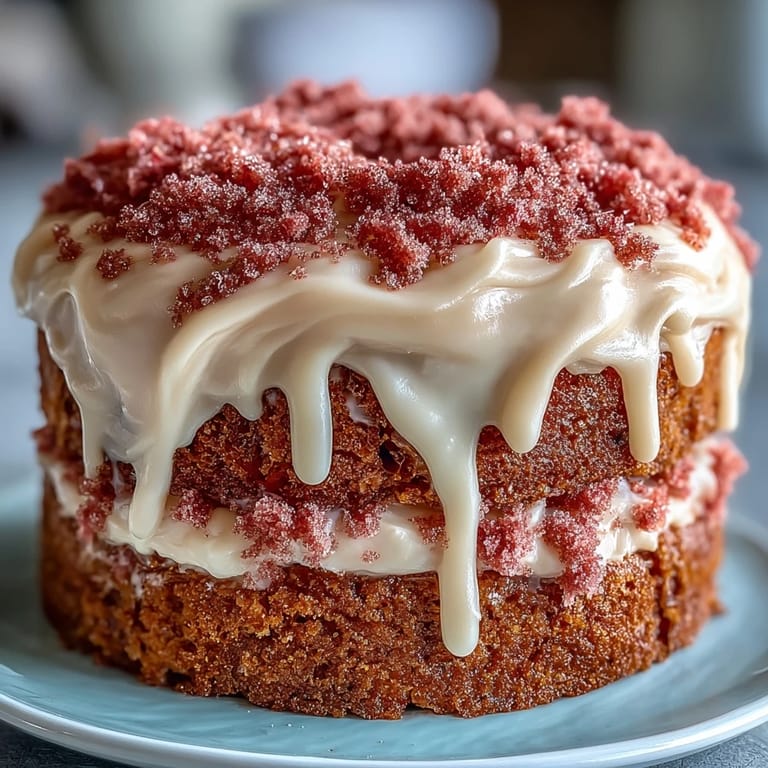
- Bring cream to steaming, pour it over chopped white chocolate, and whisk to a silky ganache; let it cool just until thick enough to drip slowly over the cake’s edges.
- Paint the gold:
- Mix gold luster dust with a dash of vodka or lemon extract, then gently brush over set white chocolate drips for that gilded finish.
 Save
Save During my sister's engagement party, this cake stole the spotlight—even beating out her punch bowl speech. As I watched old friends trade frosting-laced jokes across the garden table, I realized baking this cake isn't just about taste or looks—it's about giving people a reason to celebrate together.
Coloring Your Cake Layers (and Your Fingers)
A few drops of pink gel food coloring can take your cake from pretty to truly wow-worthy, but you'll want to use a toothpick to swirl it in and avoid overmixing the batter. Just be prepared—my hands inevitably pick up a faint blush for the rest of the afternoon, which guests always seem to find just as charming as the finished cake.
Choosing the Perfect Rosé
The best rosé for baking is dry but fruity, not sparkling, and certainly not too sweet. One afternoon, I taste-tested a few different bottles alongside the batter and realized that wine with notes of strawberry or watermelon bring out the cake's natural summery flavor best.
Last-Minute Decorating Secrets
If you want razor-sharp frosting edges or extra drama, pop the cake in the fridge for a quick chill before adding your gold drip—you'll get those perfect, elegant dribbles. Even a sprinkle of edible flowers or tiny fresh berries can make the final presentation pop in photos and in person.
- Clean your paintbrush thoroughly between gold coats so flecks stay crisp.
- If the drip starts to pool, gently nudge it back with a cooled spoon.
- Save a spoonful of frosting just in case you need to hide any "happy accidents."
 Save
Save This cake never fails to create its own little moment of celebration no matter the occasion. I hope each glittery slice feels as festive and full of promise as the day you make it.
Recipe Help & Answers
- → How does rosé affect the cake crumb?
Rosé adds moisture and a subtle fruit note without thinning the batter if alternated with dry ingredients; it contributes to a tender, slightly denser crumb than milk would.
- → How do I prevent the gold drip from running too far?
Chill the frosted cake until the frosting is firm before applying the white‑chocolate drip. Work with slightly cooled ganache and apply sparingly at the edges, then top up as needed.
- → Can I make an alcohol-free version?
Yes. Replace the rosé with equal parts pink grape juice and a splash of lemon juice to keep acidity and color while maintaining structure.
- → Why is cream cheese frosting recommended?
Cream cheese frosting offers a tangy counterpoint to the sweet velvet layers and sets well when slightly chilled, making it ideal for stacking and supporting the gold drip.
- → Any tips for an even bake across layers?
Divide batter evenly using a kitchen scale, rotate pans halfway through baking, and test doneness with a toothpick. Allow pans to cool briefly before turning out to avoid breakage.
- → How should I store and serve the finished cake?
Refrigerate the finished cake to keep the frosting and gold paint stable. Bring to room temperature for 20–30 minutes before serving for best texture and flavor.