 Save
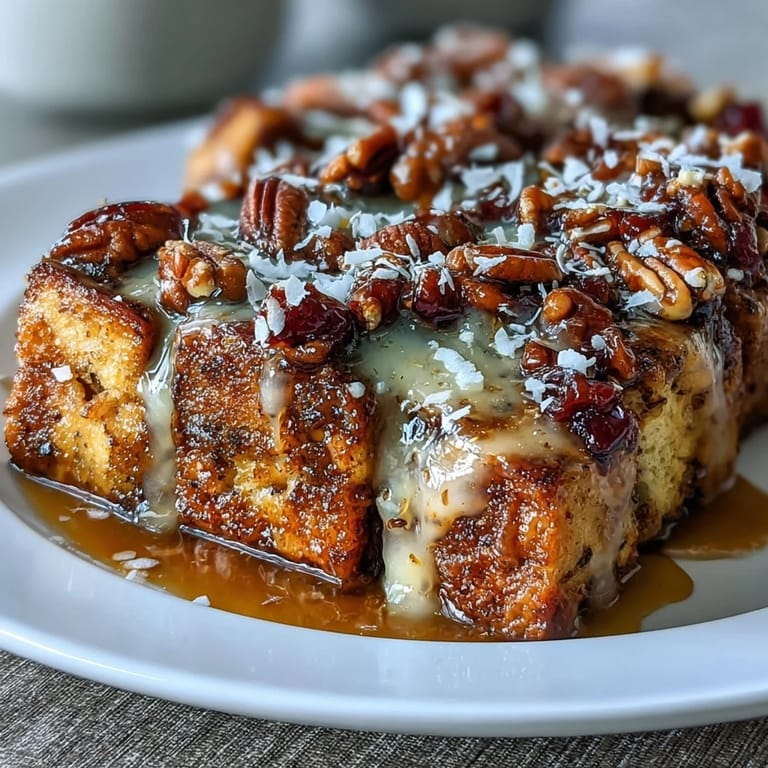
Save One rainy afternoon, I wandered into a local panadería and was greeted by the scent of cinnamon and warm piloncillo syrup wafting from trays of capirotada just out of the oven. I was struck by how lively the place felt, everyone chatting about their families while picking up loaves of bread to recreate the dessert at home. That memory gave me the push to try my own version using leftovers from the week's bread basket. I still recall the gentle crackle of toasted bread and the way the cheese melted into the piloncillo syrup, melding sweet and savory in a way that felt almost festive. If you've never assembled capirotada layer by layer, it's an inviting ritual—one that promises comfort and something a bit magical at the end.
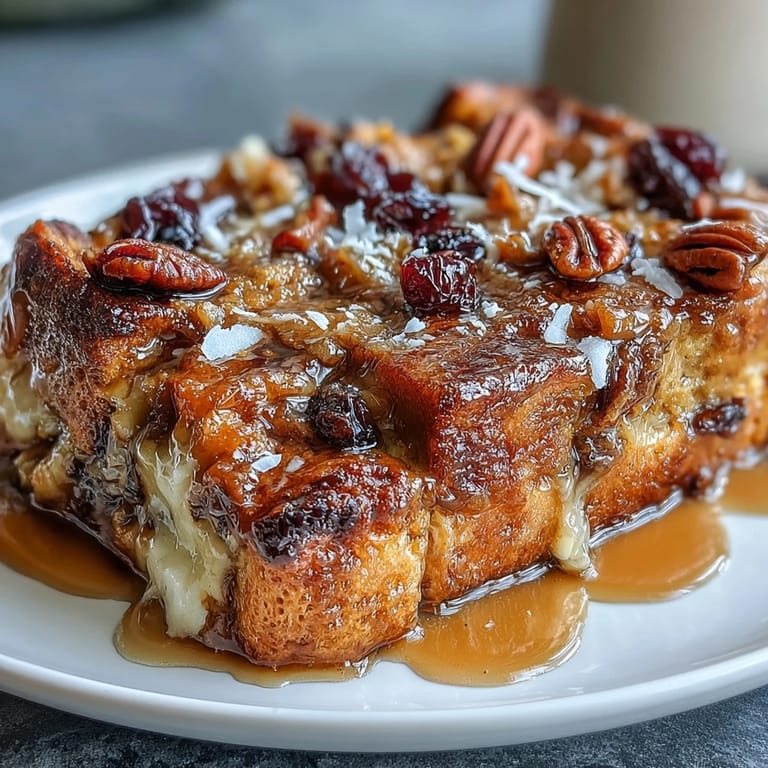
Last Lent, I made capirotada with my neighbor's little girl, and we ended up singing along to a ranchera playlist while sprinkling the coconut flakes over the top. Halfway through, we realized we'd toasted the bread slices a bit too dark, but the crunch turned out to be better than ever. She giggled as the syrup bubbled, and I learned that cooking is more fun when you share the tiny mistakes. It was the first time she told me capirotada reminded her of Sundays at her abuelita's house, and suddenly, the kitchen felt fuller. We served it warm, and everyone took seconds, cozying up with mugs of cinnamon coffee.
Ingredients
- Bread (bolillo or French bread): Stale bread is essential—it keeps its shape and soaks up syrup without getting soggy, so don't rush the toasting.
- Piloncillo (or dark brown sugar): Using piloncillo gives that deep caramel warmth; chop it finely for faster melting.
- Cinnamon stick and cloves: The spices infuse a fragrant aroma that fills the kitchen—don't skip them.
- Raisins, dried apricots, or prunes: Each bit of dried fruit adds chewy pockets of sweetness; experiment with combos if you like.
- Pecans, peanuts, slivered almonds: The mix of nuts brings a rustic crunch, enhancing the layers—toast them lightly for extra flavor.
- Mild cheese (queso fresco, Monterey Jack, mozzarella): Cheese cuts the sweetness and creates an irresistible gooeyness; shred it just before layering for best melt.
- Sweetened coconut flakes (optional): If you like, a sprinkle of coconut finishes the dish with tropical notes and texture.
- Butter: Melted butter makes the crust golden and rich; use as the final drizzle before baking.
- Water: Needed for the syrup, use filtered if possible for clarity.
Tired of Takeout? 🥡
Get 10 meals you can make faster than delivery arrives. Seriously.
One email. No spam. Unsubscribe anytime.
Instructions
- Prep the baking dish:
- Butter a 9x13-inch dish, making sure to coat every corner—this keeps the bread from sticking and adds a subtle richness.
- Toast the bread slices:
- Arrange the bread on a baking sheet and toast in the oven until golden and dry, flipping once midway; you'll hear a faint hiss and the edges should feel crisp.
- Make the piloncillo syrup:
- Simmer water with piloncillo, cinnamon, and cloves until dark, aromatic, and just thick enough to coat a spoon; strain out the spices so your syrup is smooth.
- Layer everything:
- Start with a third of the bread, scatter with dried fruits, nuts, and cheese, and repeat twice—aim for even coverage so every bite is balanced.
- Pour the syrup:
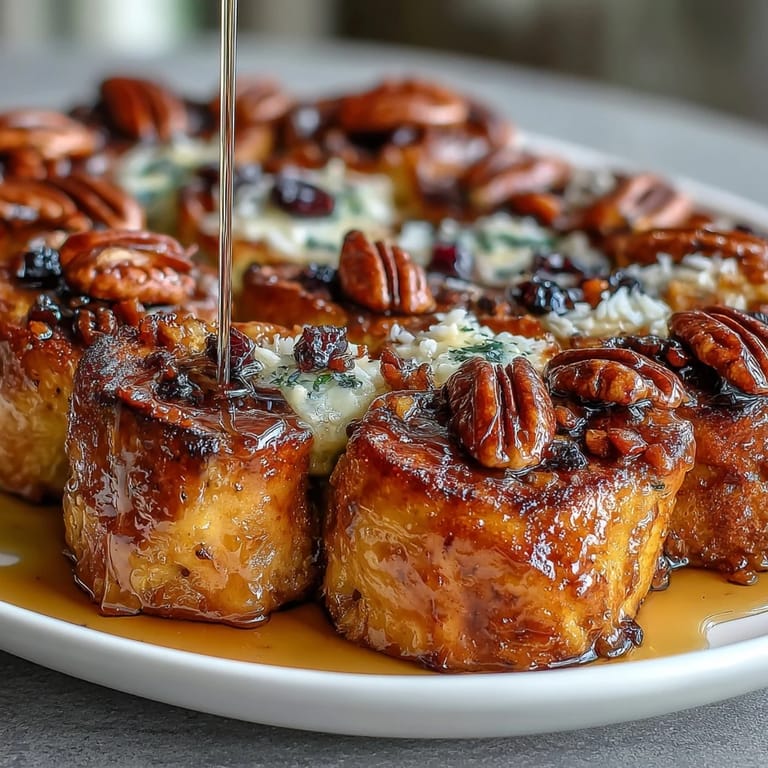
- Drizzle the warm syrup slowly over the layers, pausing so it absorbs; make sure no bread is left dry.
- Top and bake:
- Finish with melted butter and coconut flakes, cover with foil, and bake until bubbling; remove the foil for a golden crust during the last stretch of baking.
- Let it rest:
- Allow capirotada to cool for at least 15 minutes—this helps the layers settle and flavors deepen before serving.
 Save
Save When I brought capirotada to a family potluck, its sweet cinnamon scent drew people across the room. Everyone wanted to know what made the syrup so dark and sticky, and I ended up sharing stories of piloncillo and the secret ingredient—cheese. It had people reminiscing, and suddenly dessert turned into an evening of swapping recipes and laughter. That day, capirotada was more than pudding: it was conversation starter and memory maker. It brings out warmth that lingers long after everyone clears their plates.
Getting the Syrup Just Right
There was a batch where I accidentally simmered the piloncillo syrup too long, and it thickened almost into caramel. I learned to watch its consistency: as soon as it coats the back of a spoon and smells deeply of cinnamon, it's ready. If it's too thin, the capirotada won't hold together well; too thick, and it gets sticky and hard to spread. Keep a ladle handy for a gentle pour. Syrup sets the mood—rich but never overpowering.
Perfect Layering for Texture
Layering isn't just about stacking bread—each sprinkle of nuts and cheese transforms a simple foundation into something worth savoring. I like to scatter the dried fruits evenly so there aren't big pockets of sweetness, matching each layer with crunchy nuts. Sometimes, I'll tuck a few extra pieces of cheese between slices for surprise gooeyness. Make sure the final layer is generous with cheese and nuts. Small details matter—they make each forkful more interesting.
Serving and Storing Tips
Leftover capirotada keeps well in the fridge for up to three days, and I've learned it tastes even better as flavors meld by the next morning. Warm it gently so the cheese melts again, or enjoy it chilled with coffee. If you're serving to guests, cut slices carefully—capirotada is deliciously rustic, but a little patience gives the best presentation.
- If coconut flakes aren't your thing, toasted sesame seeds make a great substitute.
- Let capirotada sit uncovered after baking to avoid soggy layers.
- Always strain the syrup for a silky finish and no surprise cloves.
 Save
Save Capirotada brings bright comfort to even the cloudiest days and always invites sharing. Try it once, and you'll find the flavors sneak into your favorite kitchen memories.
Recipe Help & Answers
- → What gives capirotada its unique flavor?
The combination of piloncillo syrup, cinnamon, and cloves creates a sweet, aromatic base that infuses the dish with distinctive Mexican flavors.
- → Can I substitute piloncillo with another sweetener?
Dark brown sugar is a suitable substitute if piloncillo is unavailable, maintaining the deep caramel notes.
- → Is capirotada traditionally served warm or cold?
It's commonly served warm but is also enjoyable at room temperature, allowing the flavors to meld.
- → Are there variations to the fruit used?
You can add dried apricots, prunes, apples, or bananas for more fruitiness, tailoring to taste and availability.
- → How can I make it suitable for those with lactose intolerance?
Use less cheese or opt for lactose-free cheese to lighten the dish and accommodate dietary needs.
- → What tools are required for preparation?
A baking dish, saucepan, strainer, baking sheet, knife, cutting board, and foil are needed for proper assembly and baking.