 Save
Save My skillet was smoking before I even got the chicken in. I'd cranked the heat too high, distracted by a podcast, and nearly singed the onions before I caught myself. That frantic moment taught me more about stir-frying than any cookbook ever did: high heat demands your full attention, and a little char on the edges isn't failure, it's flavor. Now every time I make these egg roll bowls, I remember that smoky kitchen and the surprisingly delicious dinner that followed.
I started making this on weeknights when my neighbor mentioned she missed egg rolls but hated the mess of frying. We sat on her porch with bowls balanced on our knees, and she kept saying it tasted just like the filling, only better because she could actually taste the ginger. That became our Tuesday tradition for a while, and I still think of her every time I slice green onions on the diagonal.
Ingredients
- Boneless, skinless chicken breasts: Slice them thin so they cook fast and stay tender, or dice them small if you prefer bite-sized pieces that mix easily with the vegetables.
- Neutral oil: Vegetable or canola oil can handle high heat without smoking, giving you a clean base that lets the garlic and ginger shine.
- Yellow onion: Thinly sliced onions turn sweet and translucent in just a couple of minutes, adding a mild backbone to the whole dish.
- Garlic and ginger: Fresh is essential here, the jarred stuff just doesn't have that sharp, bright kick that wakes up the pan.
- Green cabbage: Shred it yourself for the best texture, pre-bagged works in a pinch but tends to be wetter and less crisp.
- Carrots: Shredded carrots add sweetness and color, plus they soften just enough to blend into every forkful.
- Green onions: Slicing them on a diagonal makes them look fancy and helps them scatter evenly over the top.
- Low-sodium soy sauce: You can control the salt better this way, especially if you're tempted to add extra at the end.
- Rice vinegar: A tablespoon cuts through the richness and brings a subtle tang that balances the sesame oil.
- Toasted sesame oil: Just a teaspoon transforms the whole bowl, so don't skip it or substitute regular sesame oil.
- Sugar or honey: A tiny bit rounds out the sauce and keeps the soy from tasting too sharp.
- Toasted sesame seeds and chili crisp: These are optional but they add crunch and heat that make the bowls feel restaurant-worthy.
Tired of Takeout? 🥡
Get 10 meals you can make faster than delivery arrives. Seriously.
One email. No spam. Unsubscribe anytime.
Instructions
- Prep Everything First:
- Slice the chicken, shred the cabbage and carrots, mince the garlic and ginger, and chop the onion and green onions before you turn on the heat. Once the pan gets hot, things move fast and you won't have time to hunt for ingredients.
- Heat the Oil:
- Pour neutral oil into a large skillet or wok and set it over medium-high heat until it shimmers. You want it hot enough to sizzle when the onion hits, but not smoking.
- Cook the Onion:
- Add the sliced onion and stir occasionally for about two minutes until it turns translucent and softens. The edges might pick up a little color, which is fine.
- Add Garlic and Ginger:
- Stir in the minced garlic and grated ginger, cooking for just thirty seconds until the smell fills your kitchen. Any longer and they'll burn.
- Brown the Chicken:
- Toss in the chicken, season lightly with salt and pepper, and cook for five to seven minutes, stirring occasionally, until no pink remains. The pieces should pick up some golden spots where they touch the pan.
- Make Room for Vegetables:
- Push the chicken mixture to one side of the pan and add the shredded cabbage and carrots to the empty side. Let them cook for three to four minutes, tossing occasionally, until they soften but still have some crunch.
- Combine Everything:
- Mix the chicken and vegetables together in the pan until evenly distributed. You want every spoonful to have a little bit of everything.
- Stir in the Sauce:
- Add the soy sauce, rice vinegar, sesame oil, and sugar or honey, tossing to coat. Cook for one to two minutes until everything is heated through and glossy.
- Taste and Adjust:
- Take a quick taste and add extra soy sauce, salt, or pepper if needed. This is your chance to make it exactly right.
- Serve and Garnish:
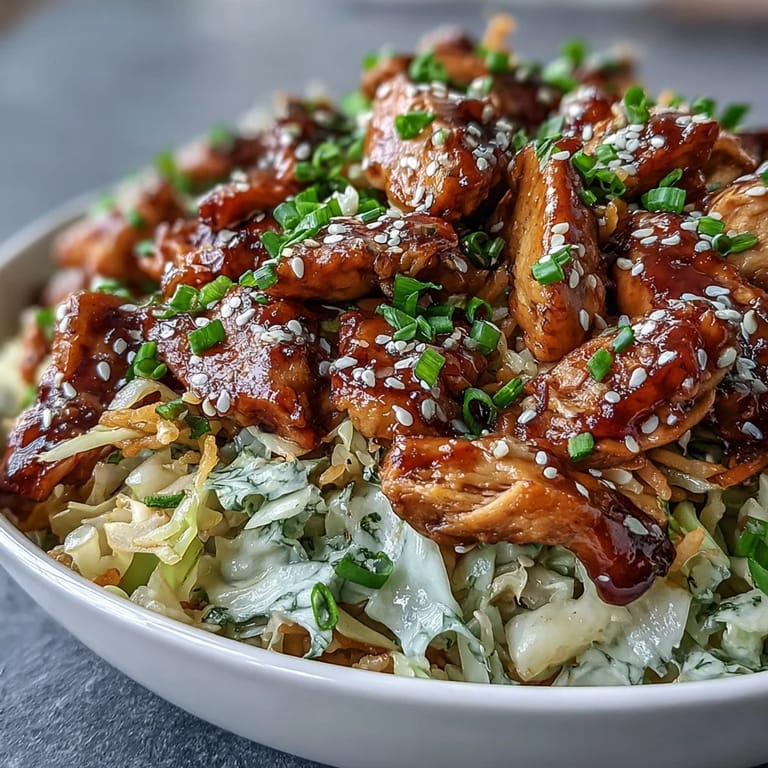
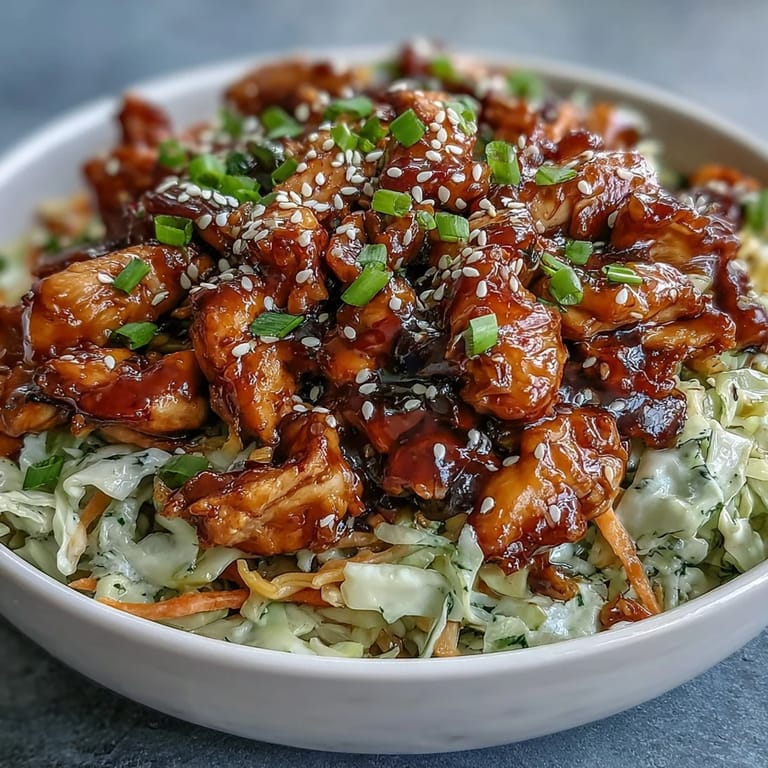
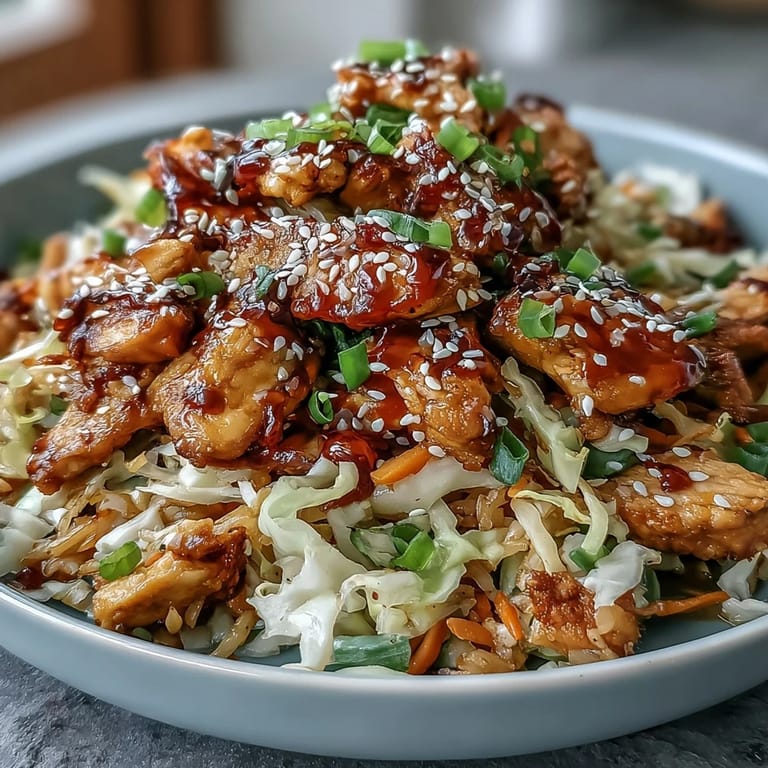
- Divide the mixture into serving bowls and top with sliced green onions, toasted sesame seeds, and a drizzle of Sriracha or chili crisp if you like heat.
 Save
Save The first time I brought this to a potluck, someone asked for the recipe before they even finished their bowl. I scribbled it on a napkin, and a week later she texted me a photo of her own version with shrimp instead of chicken. That's when I realized this dish doesn't just feed people, it invites them to make it their own.
How to Switch Up the Protein
Ground pork cooks even faster than chicken and adds a richer, slightly fatty flavor that clings to the cabbage. Ground turkey works if you want to keep things lean, and firm tofu cubed and pressed dry will crisp up beautifully if you let it sit undisturbed for a minute or two. Leftover rotisserie chicken is my secret shortcut, just shred it and toss it in with the vegetables so it heats through without drying out.
Serving Suggestions
I love this over a scoop of steamed jasmine rice when I need something hearty, but cauliflower rice keeps it light and soaks up the sauce just as well. Sometimes I'll fry an egg and set it on top so the runny yolk mixes into everything, or I'll serve it with a side of pickled cucumbers for extra tang. If you have any crispy wonton strips left over from another meal, crumble them on top for that authentic egg roll crunch.
Storage and Leftovers
Store leftovers in an airtight container in the fridge for up to three days, though the cabbage will soften a bit as it sits. Reheat gently in a skillet over medium heat, adding a splash of water or soy sauce if it looks dry. I've never tried freezing this because the cabbage doesn't hold up well, but the flavors actually deepen overnight, so day-two lunches taste even better.
- Drizzle a little extra sesame oil over the top when reheating to bring back that fresh, toasted aroma.
- Add a handful of fresh greens like spinach or bok choy to the leftovers for a quick nutrient boost.
- If the sauce has been absorbed, whisk together a tiny bit more soy sauce and rice vinegar to refresh the bowl.
 Save
Save This is the kind of dinner that makes you feel capable, even on nights when you're too tired to think. It's fast, forgiving, and always tastes like you put in more effort than you did.
Recipe Help & Answers
- → Can I use ground chicken instead of sliced chicken breast?
Yes, ground chicken works perfectly and cooks even faster. Brown it with the aromatics and break it apart as it cooks for 4-5 minutes until no pink remains.
- → How do I keep the cabbage from getting too soft?
Cook the cabbage over medium-high heat for only 3-4 minutes, tossing occasionally. It should soften slightly while maintaining a pleasant crunch that mimics the texture of traditional egg rolls.
- → What can I substitute for rice vinegar?
Apple cider vinegar or white wine vinegar work well in equal amounts. You can also use fresh lime juice for a brighter, citrusy note that complements the Asian-inspired flavors.
- → Can I make this ahead of time?
Yes, the bowls store well in the refrigerator for up to 3 days. The vegetables will soften slightly when reheated, but the flavors intensify. Reheat gently in a skillet or microwave.
- → Is this dish keto-friendly?
The bowls are relatively low in carbohydrates at 15g per serving. For strict keto, omit the sugar or honey and serve over cauliflower rice instead of regular rice to keep carbs minimal.
- → What other vegetables can I add?
Bell peppers, snap peas, mushrooms, or bean sprouts all work beautifully. Add heartier vegetables with the cabbage, or toss in delicate greens like bok choy at the very end to wilt slightly.