 Save
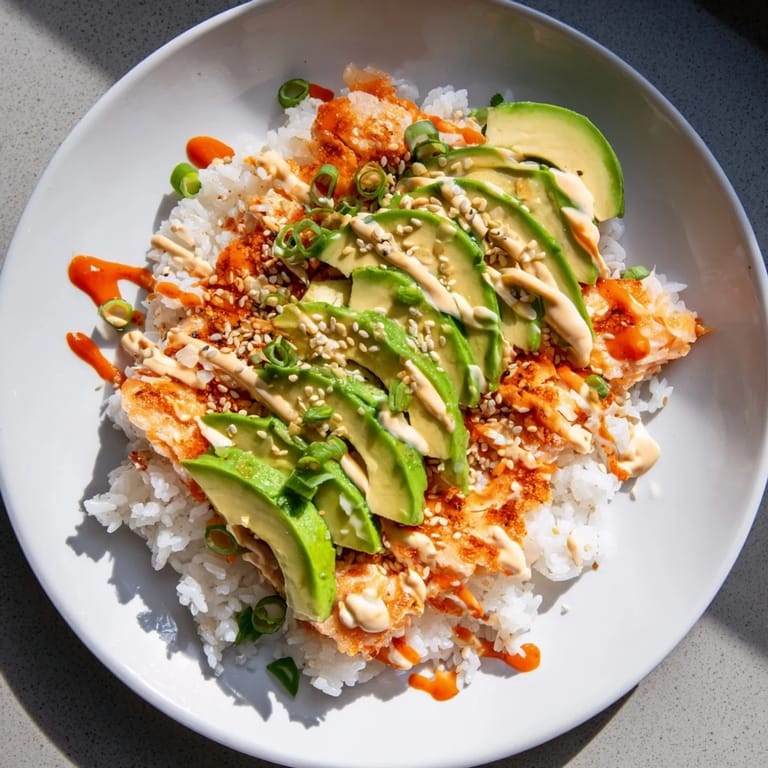
Save I discovered this bowl late one night scrolling through TikTok, half-asleep, when a video of someone drizzling creamy mayo over flaked salmon stopped my thumb mid-scroll. The simplicity was almost shocking—cooked salmon, rice, a few pantry staples, and suddenly something that looked restaurant-quality was happening in a regular kitchen bowl. The next morning, I had leftover salmon from dinner and decided to test it, and twenty minutes later I understood why millions of people had made this viral sensation their own.
My partner came home from work while I was arranging those crispy seaweed squares on top, and they laughed because it looked fancier than the effort I'd actually put in. We sat down with the bowls still steaming, used the nori to scoop up bites just like the videos showed, and the whole thing felt like a small win—a meal that tasted special without demanding much from me.
Ingredients
- Cooked salmon fillet (about 170 g / 6 oz): Use whatever you have on hand—fresh cooked, leftover, smoked, even canned works beautifully and flakes apart with just a fork.
- Cooked white rice (2 cups, preferably leftover and chilled): Cold rice actually holds up better in this bowl than warm rice, and it lets the other flavors shine without being steamed into submission.
- Soy sauce (1 tablespoon): This is your seasoning anchor, though tamari works just as well if you're keeping things gluten-free.
- Sesame oil (1 teaspoon): A little goes a long way—it's nutty and rich, so resist the urge to pour.
- Japanese mayonnaise (1 tablespoon): Kewpie is creamier and slightly sweeter than regular mayo, and it makes a real difference in the final taste.
- Sriracha or chili sauce (1 teaspoon, optional): This is where you control the heat; skip it entirely if spice isn't your thing.
- Avocado (1, sliced): Adds richness and a buttery contrast to the salty, savory elements.
- Roasted seaweed sheets, nori (1 sheet, cut into squares): These aren't just a topping—they're your edible utensil and they add a briny, umami punch.
- Toasted sesame seeds (1 teaspoon): Toasting them yourself, even in a dry pan for two minutes, amplifies their nutty flavor.
- Spring onions (2, thinly sliced): They bring a fresh bite that cuts through the richness perfectly.
- Pickled ginger (optional): A small handful adds brightness and helps reset your palate between bites.
- Lemon or lime wedges (optional): A squeeze at the end ties everything together with acid and aroma.
Tired of Takeout? 🥡
Get 10 meals you can make faster than delivery arrives. Seriously.
One email. No spam. Unsubscribe anytime.
Instructions
- Get your salmon ready:
- Place your cooked salmon in a microwave-safe bowl and flake it gently with a fork, breaking it into bite-sized pieces but not so much that it turns into a paste. You want texture here, not mush.
- Build your base:
- Pile the cooked rice right on top of that salmon and give it a light sprinkle of water if it's been sitting in the fridge and feels at all dry. This helps it steam gently and rehydrate without getting mushy.
- Warm everything through:
- Cover the bowl loosely with a microwave-safe plate or plastic wrap and microwave on high for about 1 to 2 minutes until steam rises and the whole thing smells amazing. You're not cooking anything, just bringing it to a temperature that feels comforting and unified.
- Add your wet ingredients:
- Pour the soy sauce and sesame oil directly into the bowl and mix everything together with the back of your fork, making sure the salt and nutty oil coat every grain and flake. This is where the bowl starts tasting like it came from somewhere special.
- Drizzle the creamy element:
- Squeeze out ribbons of Japanese mayonnaise across the top and add a little Sriracha if you want heat, but don't mix it in yet—let those creamy swirls sit on top until you're ready to eat.
- Finish with the toppings:
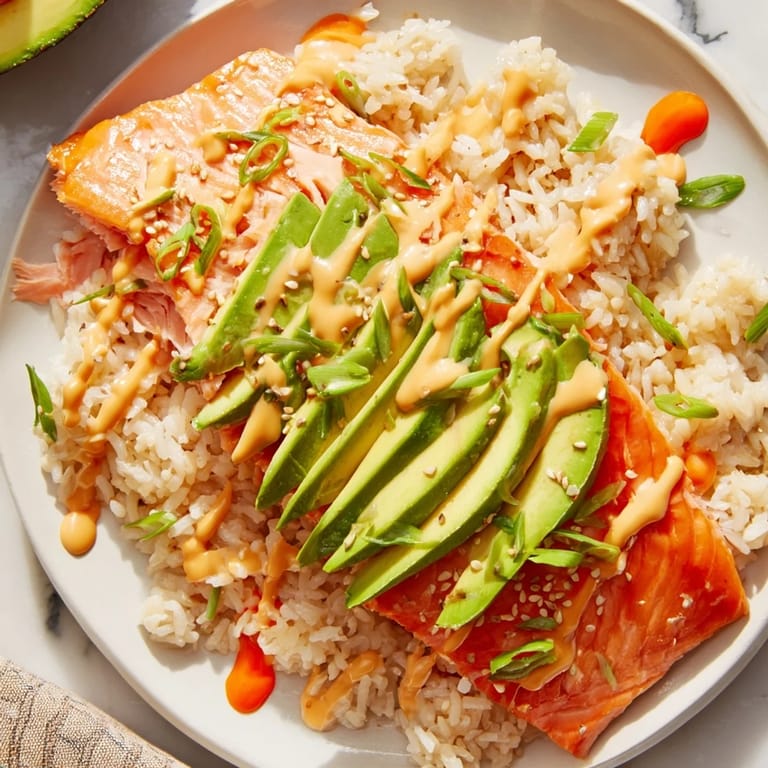
- Arrange your avocado slices, spring onions, toasted sesame seeds, and pickled ginger over the whole thing in whatever order makes you happy. This is your canvas, so make it look as good as it tastes.
- Serve with seaweed and citrus:
- Tear your roasted nori into squares, pile them on the side, and add your lemon or lime wedges nearby. The seaweed becomes your scoop and your utensil, and the citrus is there whenever you want to brighten a bite.
 Save
Save There's something almost meditative about using the nori as your utensil, scooping up that rice and flaked salmon with your hands instead of a spoon. It feels less formal than a regular meal, more like you're enjoying something you actually wanted to eat rather than something you felt obligated to make.
Why This Bowl Became a Kitchen Staple
The first time I made this, I was surprised by how a few simple ingredients could taste so polished and complete. Once I started playing with it, rotating the toppings based on what was in my crisper drawer, I realized it wasn't just a viral trend—it was genuinely adaptable, genuinely forgiving, and somehow genuinely delicious every single time. It became the meal I make when I want something that feels a little fancy but doesn't stress me out.
Making It Your Own
The beauty of this bowl is that it welcomes substitutions and riffs without falling apart. One week I added shredded cucumber and kimchi for texture and funk, another week I switched to smoked salmon when I didn't have fresh, and it was just as satisfying. The core stays the same, but the possibilities are genuinely endless.
Quick Variations and Swaps
Brown rice adds earthiness and fiber if you want something heartier; tamari replaces soy sauce seamlessly for anyone avoiding gluten; and canned salmon works in a pinch and actually costs less. You can layer in shredded carrots, thinly sliced cucumber, or roasted broccoli if you want more vegetables without changing the fundamental flavor profile.
- Keep extra nori sheets on hand because once you use them as a scoop, you'll never look back.
- Toast your sesame seeds fresh if you can—it takes two minutes and completely changes their impact.
- Cold rice is non-negotiable, so if you don't have leftovers, cook rice the night before.
 Save
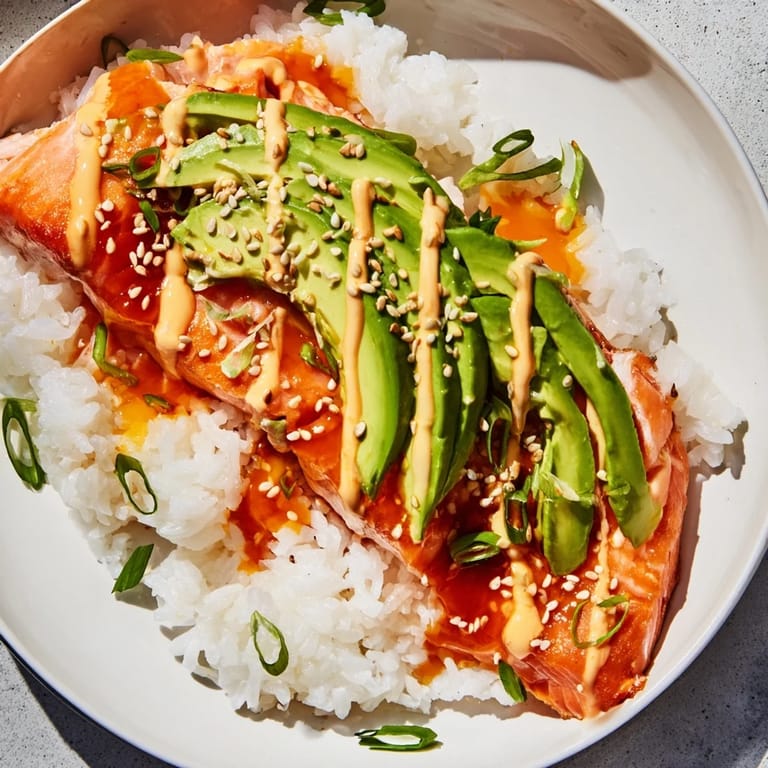
Save This bowl became proof to me that viral recipes exist for a reason—they're usually simple, flexible, and genuinely satisfying to make and eat. Every time I make it, it feels like I'm in on the secret.
Recipe Help & Answers
- → How do I reheat the cooked salmon and rice?
Place the salmon and rice in a microwave-safe bowl, cover with a plate or wrap, and microwave for 1–2 minutes until warm.
- → Can I substitute the white rice with other grains?
Yes, brown rice or quinoa can be used for added fiber and texture variations.
- → What toppings pair best with the salmon and rice?
Avocado slices, toasted sesame seeds, spring onions, pickled ginger, and roasted seaweed add freshness and depth.
- → Is there a gluten-free option for the seasonings?
Use tamari sauce instead of soy sauce to keep the dish gluten-free.
- → Can smoked or canned salmon be used as alternatives?
Both smoked and canned salmon work well as convenient substitutes when fresh salmon isn’t available.