 Save
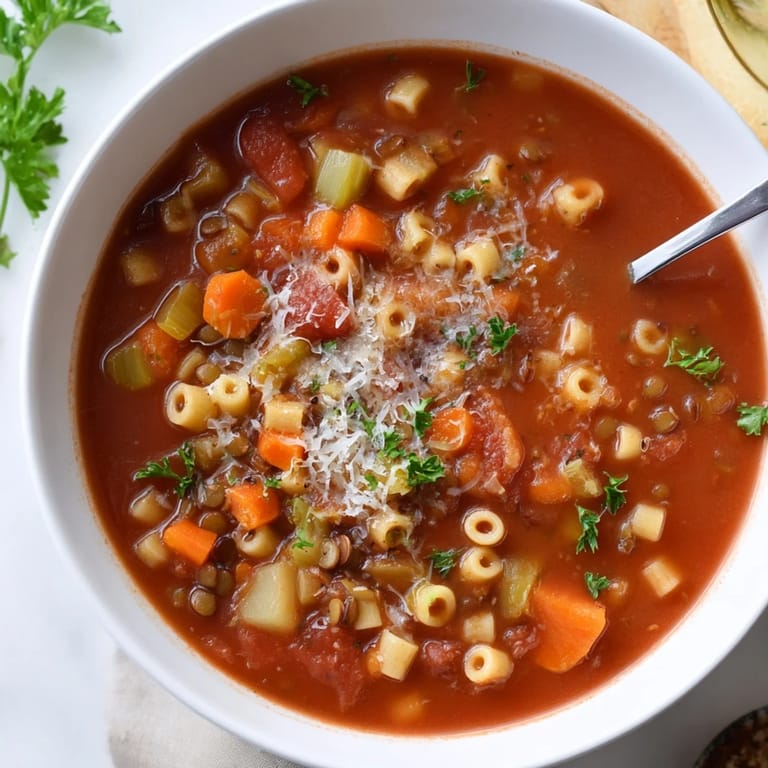
Save There's something about the sound of a wooden spoon stirring a pot of simmering soup that makes a kitchen feel like home. Years ago, I discovered this ditalini and lentil soup on a gray November afternoon when I had almost nothing in the pantry except dried lentils, a can of tomatoes, and a handful of pasta. What started as a desperate attempt to make dinner turned into a recipe I'd return to again and again—proof that the most satisfying meals often come from working with what you have rather than what you planned.
I made this soup for my neighbor Sarah one winter when she was recovering from surgery, and I'll never forget how she ate two bowls right there at her kitchen table while telling me stories about her garden plans for spring. That moment taught me that simple food shared with intention becomes something meaningful—it's not about impressing anyone, it's about showing up with warmth in a bowl.
Ingredients
- Olive oil: Just two tablespoons is all you need to build a golden base for everything that follows.
- Yellow onion, carrots, and celery: This holy trinity of vegetables is the flavor foundation—don't skip the sautéing step, as it coaxes out their natural sweetness.
- Garlic: Three cloves minced fine, because garlic is what makes people ask for your recipe.
- Brown lentils: They hold their shape beautifully during cooking, unlike red lentils which dissolve into the broth.
- Ditalini pasta: Those small tube shapes aren't just cute—they trap the broth inside them, making every spoonful more satisfying.
- Vegetable broth: Low-sodium matters here so you're in control of the final salt level.
- Canned diced tomatoes: The juice in the can is liquid gold for flavor, so pour it all in.
- Tomato paste: Two tablespoons adds depth and umami that makes people stop mid-conversation to ask what that flavor is.
- Dried thyme and oregano: These dried herbs actually work better than fresh in long-simmering soups because they have time to fully release their oils.
- Bay leaf: It sits quietly in the pot, whispering savory notes into everything—don't forget to fish it out before serving.
- Red pepper flakes: Optional, but they add a gentle warmth that makes the soup feel slightly more alive.
- Fresh parsley: Chopped and scattered on top, it's like opening a window to let fresh air into the finished bowl.
- Parmesan cheese: A light shower of it transforms a simple soup into something that feels special.
Tired of Takeout? 🥡
Get 10 meals you can make faster than delivery arrives. Seriously.
One email. No spam. Unsubscribe anytime.
Instructions
- Build your flavor base:
- Heat the olive oil in a large pot over medium heat, then add the chopped onion, carrots, and celery. Let them sauté for 6 to 8 minutes, stirring occasionally—you'll know they're ready when the onion turns translucent and the whole kitchen smells sweet and vegetal. This step matters more than you might think; it's where the magic starts.
- Wake up the garlic:
- Add your minced garlic and stir constantly for just 1 minute until it becomes fragrant and turns pale gold. Don't walk away during this minute or it will burn, which tastes bitter and ruins the whole thing.
- Combine everything:
- Add the rinsed lentils, diced tomatoes with their juice, tomato paste, thyme, oregano, bay leaf, and red pepper flakes if you're using it. Stir everything together until the tomato paste dissolves and coats all the vegetables.
- Add the broth and simmer:
- Pour in the vegetable broth, bring it to a boil, then immediately drop the heat to low and cover the pot. Let it simmer gently for 20 minutes—the lentils should be tender but not mushy, still holding their shape when you stir them.
- Introduce the pasta:
- Stir in the ditalini and simmer uncovered for 8 to 10 minutes until both the pasta and lentils are completely cooked through. The pasta will continue softening slightly even after you turn off the heat, so don't overcook it.
- Season and finish:
- Remove the bay leaf, then taste and adjust the salt and black pepper to your liking. Some days I add more pepper than others, depending on my mood and what I'm serving it with.
- Serve with joy:
- Ladle the soup into bowls and top with fresh parsley and a small handful of grated Parmesan if you'd like the richness. Serve it hot with crusty bread for soaking up every last drop.
 Save
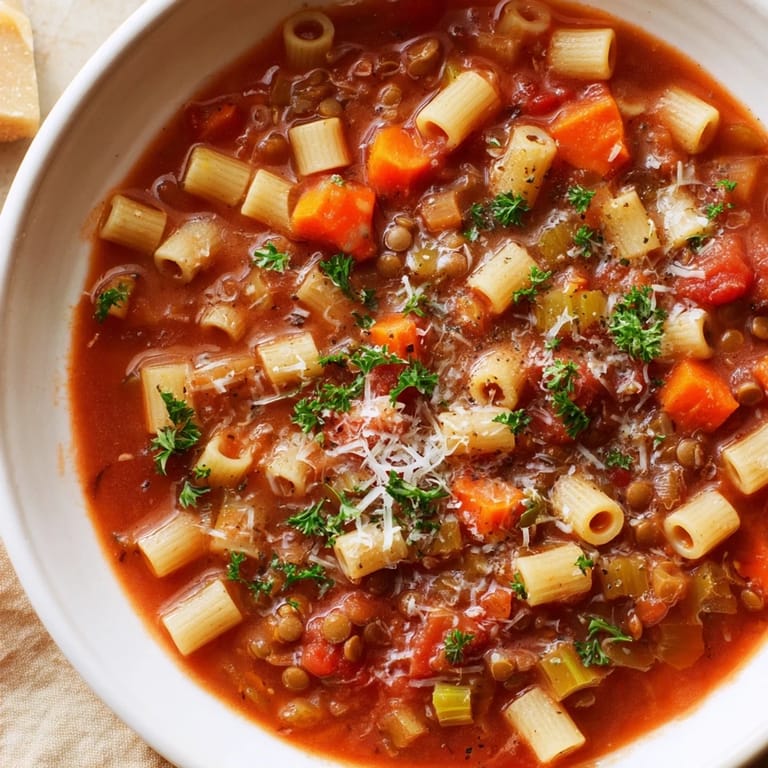
Save I learned something important making this soup repeatedly: it's forgiving in a way that teaches you about cooking itself. When I've accidentally let it simmer five minutes too long, it didn't become inedible—it just became thicker, more substantial, almost stew-like. That lesson has stuck with me through countless meals.
Why This Soup Works Every Single Time
The beauty of this recipe lies in its simplicity and restraint. You're not trying to hide inferior ingredients behind complicated techniques—instead, you're letting each element shine. The lentils bring protein and earthiness, the tomatoes add brightness and acidity, the pasta provides comfort and substance, and the vegetables form a gentle, savory backbone that holds everything together. It's the kind of soup that tastes even better on the second or third day, after the flavors have had time to get to know each other in the refrigerator.
Make It Your Own
One of my favorite things about this recipe is how easily it adapts to what you have on hand or what you're craving. I've stirred in a big handful of fresh spinach during the last five minutes of cooking on days when I wanted extra greens, and the leaves wilt perfectly into the warm broth. A friend who makes this regularly adds diced zucchini along with the other vegetables, and it adds a subtle sweetness that some people actually prefer to the version I make.
How to Serve and Enjoy
This soup loves company—either the literal kind, where you're serving it to people you care about, or the bread kind, where you're pairing it with thick slices of crusty bread for soaking and dunking. I've served it at casual weeknight dinners and at more formal gatherings, and it works beautifully in both situations because it feels homemade without being fussy. The leftovers keep well in the refrigerator for four or five days, and you can also freeze individual portions in containers for those nights when you need dinner to be already done.
- Pair it with a simple green salad and crusty bread for a complete, satisfying meal.
- Save your best olive oil for drizzling on top if you have one—it makes the soup taste even more special.
- If the soup thickens too much when you reheat it, just add more vegetable broth or water to bring it back to your preferred consistency.
 Save
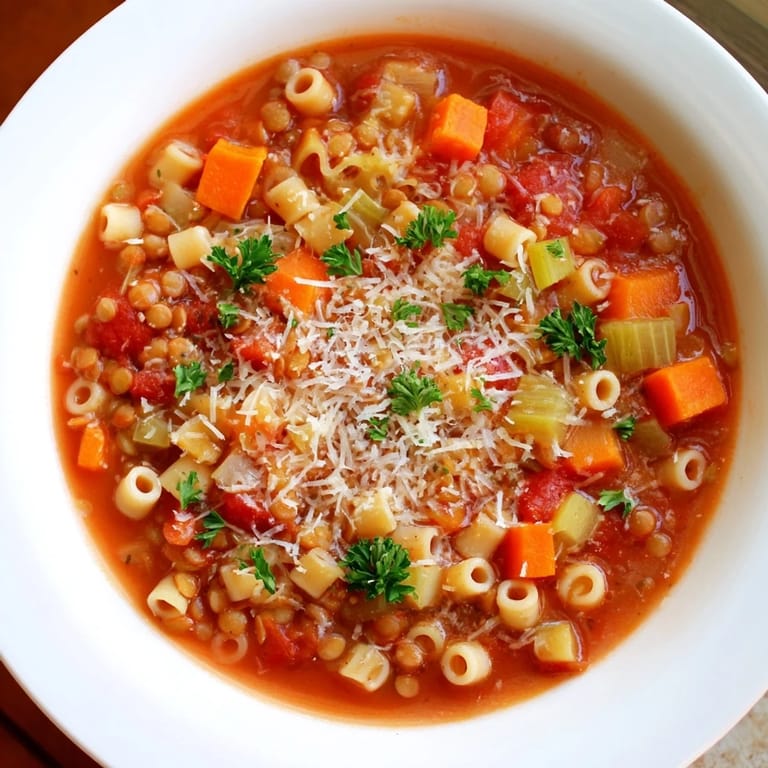
Save This soup has become one of those recipes I make without thinking, the way some people drive the familiar route home on autopilot. It's taught me that the best recipes aren't the most complicated ones—they're the ones you return to, the ones that fit into your life so naturally that they become part of how you feed yourself and the people around you.
Recipe Help & Answers
- → Can I substitute ditalini pasta with another type?
Yes, small pasta shapes like elbow macaroni or small shells work well as substitutes for ditalini.
- → How do I make this dish vegan?
Omit the Parmesan cheese or use a plant-based alternative to keep it fully vegan.
- → What is the best way to add extra greens?
Stir in chopped spinach or kale during the last 5 minutes of cooking for added nutrition and color.
- → Can I prepare this soup ahead of time?
Yes, the flavors develop nicely when reheated, but add pasta fresh or slightly undercooked if storing separately to prevent mushiness.
- → What herbs enhance the flavor of the broth?
Thyme, oregano, and bay leaf infuse the broth with aromatic, earthy notes that complement lentils and tomatoes.
- → How can I adjust the spice level?
Add or omit crushed red pepper flakes based on preferred heat intensity.