 Save
Save I discovered this recipe by accident while rummaging through a museum gift shop at midnight, of all places. There was a beautiful coffee table book about paleontology, and I found myself staring at cross-sections of ancient fossils—perfectly preserved imprints of leaves and ferns—and thinking: I could make that edible. That night, standing in my kitchen with a block of soft cheese and some wilted parsley, I pressed herb after herb into the surface like I was documenting history. What emerged felt like archaeology I could actually eat, and I realized something wonderful had just happened between hunger and creativity.
I made this for a dinner party where someone brought a paleontologist friend, and watching them lean down to examine the herb impressions before eating was absolutely priceless. They spent five minutes analyzing the fern frond pattern I'd pressed into the cheese, discussing restoration techniques, while everyone else waited to devour it. In that moment, I understood that food doesn't have to choose between being beautiful and being delicious—sometimes it gets to be both, and that's when people really remember the meal.
Ingredients
- Soft cheese (250 g): Goat cheese brings tang, cream cheese offers richness, ricotta keeps it light—pick based on your mood and what's in your fridge, but make sure it's cold enough to hold a shape.
- Fresh herbs (1 small bunch): Parsley, dill, cilantro, or chervil work beautifully, and the flatter the leaf, the cleaner your fossil impression will be.
- Olive oil (1 tbsp): Optional, but a light brush gives the cheese a polished, gallery-like sheen that makes it feel intentional.
- Assorted nuts (100 g): Unshelled nuts if you can get them create that authentic archaeological scatter; the texture and visual weight balance the softness of the cheese.
- Sea salt (1/2 tsp): A sprinkle at the end reminds people this is still food, not just sculpture.
Tired of Takeout? 🥡
Get 10 meals you can make faster than delivery arrives. Seriously.
One email. No spam. Unsubscribe anytime.
Instructions
- Prepare your stage:
- Line a small tray with parchment paper so you can move the whole creation without it falling apart. This is your excavation site.
- Shape the cheese:
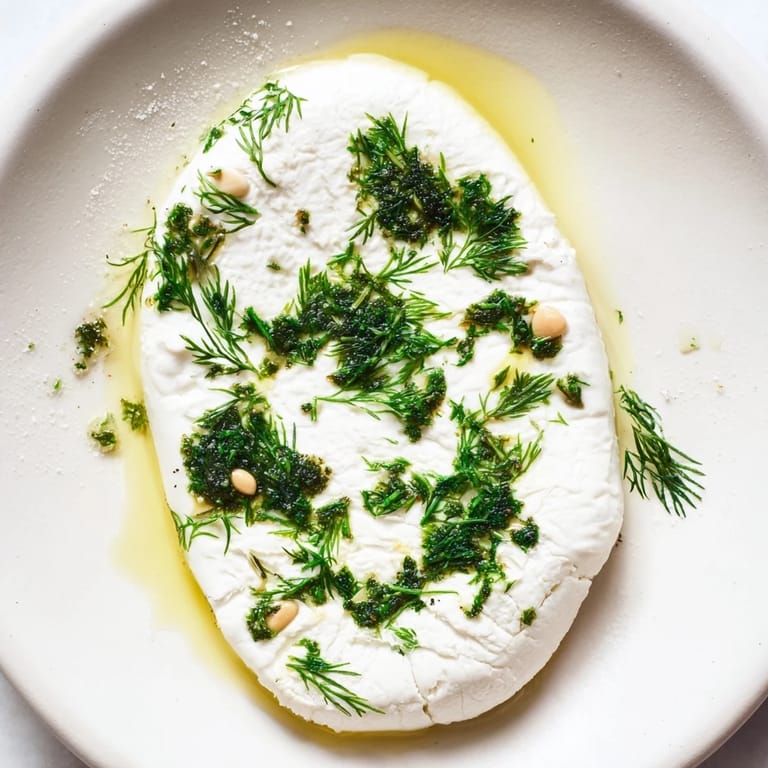
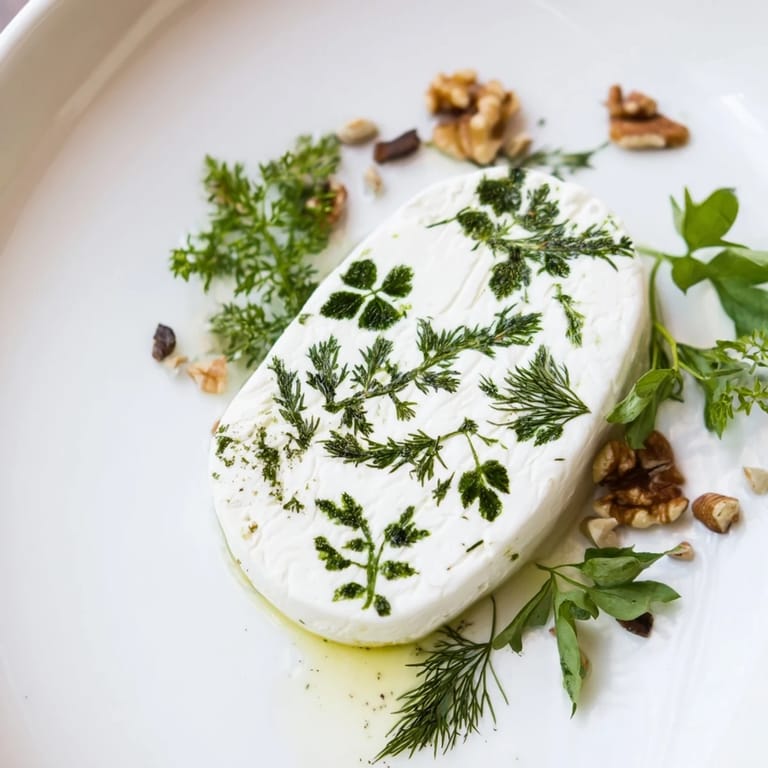
- Spread the soft cheese to about 3/4 inch thick in a rough oval—don't overthink the shape, fossils aren't perfect anyway. Smooth the top with a spatula so the herb impressions will actually show.
- Press your fossils:
- Take herb sprigs and press them firmly into the cheese surface for a few seconds, then lift away slowly and carefully. You'll see the ghost of the leaf left behind, and it's honestly magical every single time.
- Add the shine (optional):
- A light brush of olive oil catches the light and makes the whole thing look more intentional, less homemade and more gallery-ready.
- Scatter the archaeological landscape:
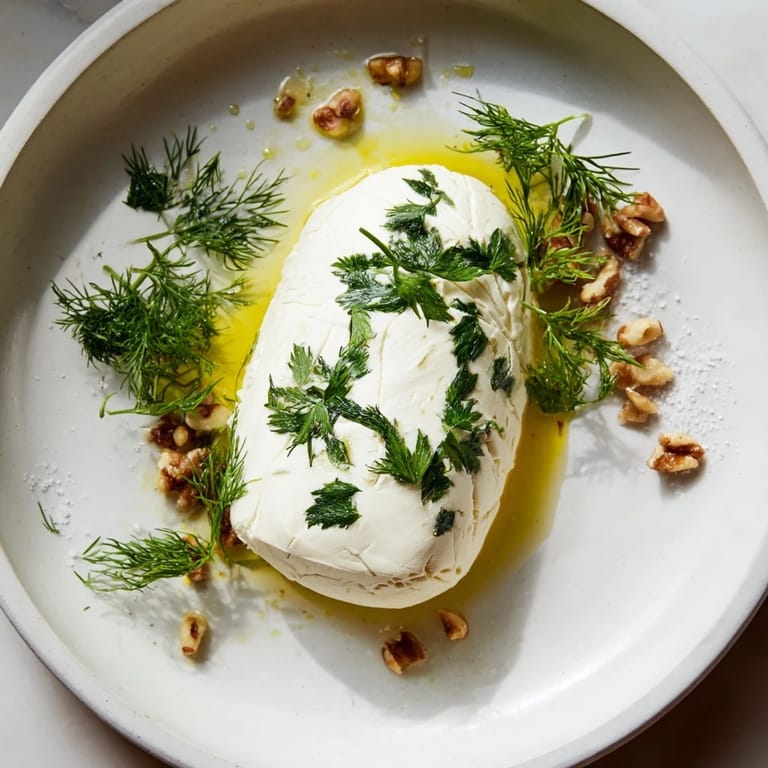
- Arrange cracked nuts around the cheese block and scatter some shell fragments nearby for that ancient, undisturbed site feeling. This is where you get to play with composition.
- Finish and serve:
- Sprinkle sea salt if you're using it, then serve immediately with crackers or bread, or cover loosely and refrigerate until your guests arrive.
 Save
Save The moment that changed everything for me was when my five-year-old nephew asked if the cheese was actually from dinosaur times. I let him believe it for just long enough to see his face light up, then explained what we'd really made together—something new that just looks ancient. He decided it tasted better after that, and maybe he was right.
Playing With Presentation
The beauty of this appetizer is that it sits at the intersection of food and art, which means you get to make choices about how it looks. Some people arrange their nuts in a careful circle, almost like they're protecting the cheese. Others scatter them haphazardly, as though an actual dig site exploded across the plate. Neither approach is wrong—it's just what kind of story you want to tell with your food. I've found that the more you care about the arrangement, the more people notice it, and that attention creates conversation before anyone even takes a bite.
The Herb Selection Decision
Choosing which herbs to press into your cheese is genuinely personal, and it's one of those kitchen moments where you realize you have taste. Dill creates feathery, almost fern-like impressions that look the most authentically fossil-like. Parsley gives you those defined, serrated edges. Cilantro makes something wilder and more abstract. I keep a small bunch of each on hand during summer specifically so I can make this and let people guess which herb made which print—it turns the plating into a guessing game, and suddenly everyone's invested in the details.
Scaling and Serving Strategies
This recipe scales beautifully for any crowd because it's more about arrangement than cooking skill. Make one large cheese block for a dinner party, or create three smaller ones for a grazing board where people discover different fossil patterns. I've also made individual portions on small slate tiles, one cheese block per person, and it became the kind of detail that guests mentioned for weeks afterward.
- If you're making this ahead, cover it loosely with plastic wrap and refrigerate; it actually holds its impressions better after a few hours as the cheese firms up slightly.
- Serve it with something crisp and neutral like plain crackers or toasted bread so the cheese and herb flavors get center stage.
- A glass of crisp white wine beside it transforms the whole experience from snack to moment.
 Save
Save This is the kind of recipe that reminds you why we cook—not always to nourish, but sometimes just to create something that makes people pause and smile. That's enough.
Recipe Help & Answers
- → What types of cheese work best for this dish?
Soft cheeses like goat cheese, cream cheese, or ricotta create a smooth surface ideal for herb imprints and offer a creamy texture.
- → How do I create the herb fossil imprints?
Press fresh herb sprigs gently into the cheese surface, then carefully lift them to reveal detailed impressions resembling fossils.
- → Can I customize the nuts used?
Yes, use a mix of walnuts, pecans, almonds, or hazelnuts, ideally cracked open to add crunch and rustic charm.
- → Is there a way to add shine to the cheese surface?
Lightly brushing olive oil over the cheese enhances its appearance with a subtle sheen without overpowering the flavors.
- → How should I serve this appetizer?
Arrange the cheese centerpiece on a tray surrounded by cracked nuts and serve alongside fresh bread or crackers for an inviting presentation.