 Save
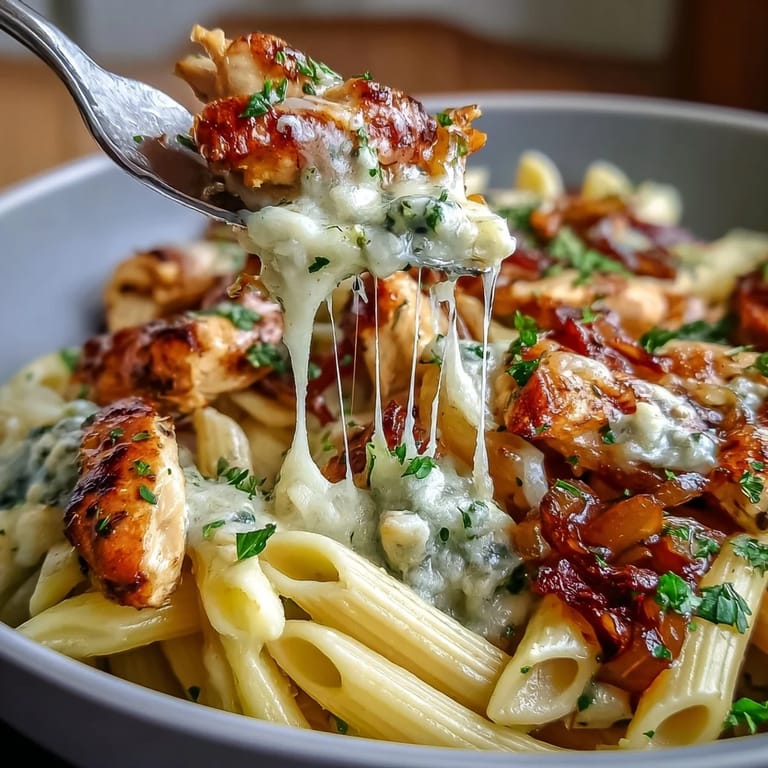
Save There's something almost magical about watching onions transform from sharp and crisp to deeply golden and sweet, and I discovered this magic one autumn evening when I was craving French onion soup but found myself staring at a box of pasta instead. Rather than abandon the idea, I started layering flavors together, tossing in chicken and cheese, and what emerged from that pot was pure comfort—a dish that tastes like someone's been slow-cooking love for hours, even though it comes together in less than an hour. It's become my answer to those nights when you want restaurant-quality coziness without leaving your kitchen.
I made this for my sister during her first week in a new apartment, when her kitchen was still a maze of boxes and she needed something that felt like home on a plate. Watching her close her eyes after the first bite, then immediately ask for the recipe, reminded me that the best dishes aren't about complexity—they're about how they make people feel held and understood.
Ingredients
- Boneless, skinless chicken breasts: Cut into bite-sized pieces so they cook quickly and distribute evenly throughout the pot, absorbing all those savory flavors as the pasta cooks.
- Yellow onions: The true star here—slice them thin so they caramelize deeply and become almost jammy, creating that sweet, complex backbone the whole dish rests on.
- Fresh thyme: If you can find it, fresh thyme adds a delicate earthiness that dried thyme can't quite match, though dried works beautifully when that's what you have.
- Short pasta: Penne, fusilli, or rigatoni all work because their shapes trap the creamy sauce, so every bite is intentional.
- Unsalted butter and olive oil: The combination gives you richness plus the ability to cook at higher heat without the butter burning.
- Beef or chicken broth: Low-sodium is essential here so you control the salt level and the cheese doesn't push you over the edge flavor-wise.
- Dry white wine: If you have it, it adds sophistication and acidity that brightens everything, but more broth works just as well if wine isn't your thing.
- Gruyère cheese: This is where the magic lives—it's nutty, complex, and melts into the creamiest sauce without becoming greasy or one-note.
- Mozzarella cheese: Added for stretch and creaminess, so the sauce becomes almost luxurious without overpowering the other flavors.
- Parmesan cheese: Just enough to add a sharp, savory finish that cuts through the richness.
Tired of Takeout? 🥡
Get 10 meals you can make faster than delivery arrives. Seriously.
One email. No spam. Unsubscribe anytime.
Instructions
- Sear the chicken until golden:
- Heat your oil and butter over medium heat, then add chicken seasoned with salt and pepper, cooking until the outside is golden and the inside is cooked through, about 6 to 8 minutes. This builds flavor into the oil and gives the chicken a little character.
- Coax the onions into sweetness:
- Add the remaining butter to the pot with your sliced onions and a generous pinch of salt, then let them cook low and slow over medium-low heat for 20 to 25 minutes, stirring often. You're looking for deep golden color and jammy texture—this is where patience pays off.
- Build the aromatics:
- Add minced garlic and thyme, sautéing just until fragrant, about a minute. The smell at this point is almost intoxicating.
- Deglaze and reduce:
- Pour in your white wine if using it, scraping up all those browned bits stuck to the bottom, and let it reduce by about half—this takes 2 to 3 minutes and concentrates the flavors beautifully.
- Bring it together:
- Return your chicken to the pot, add the uncooked pasta and broth, bring everything to a boil, then reduce to a gentle simmer. Cover and cook, stirring occasionally, until the pasta is tender and the liquid is mostly absorbed, about 10 to 12 minutes.
- Finish with cheese:
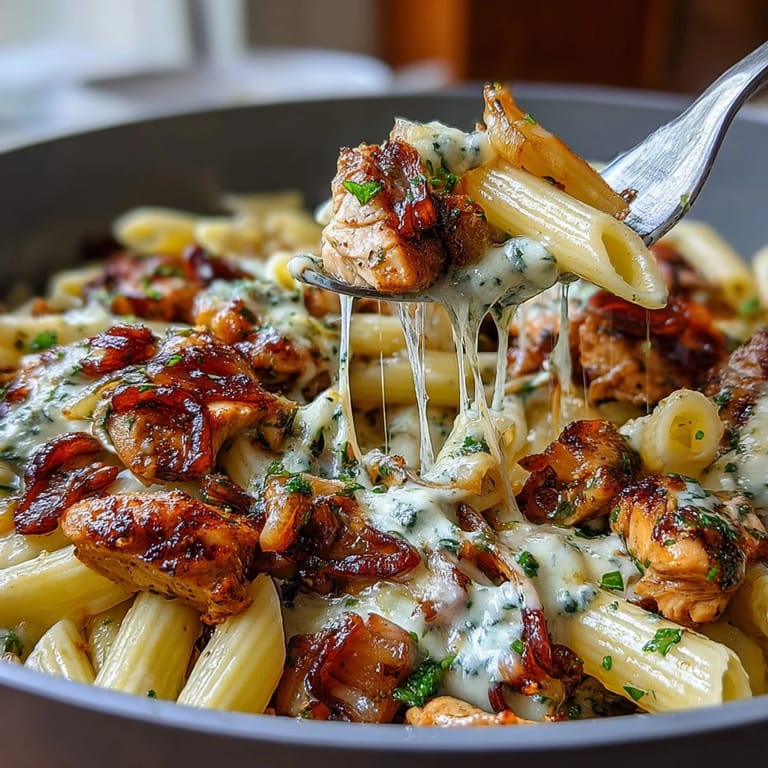
- Stir in your Gruyère and mozzarella until completely melted and creamy, then taste and adjust the salt and pepper. If you want that restaurant-style finish, sprinkle Parmesan on top and broil for 2 to 3 minutes until it's golden and bubbly.
 Save
Save This dish has a way of becoming a ritual—something people ask for by name, the way they might request a favorite sweater on a cold day. There's something deeply satisfying about serving everyone from one pot, watching the steam rise, and knowing you've created something that tastes like it took all afternoon to prepare.
The Art of Caramelizing Onions
Caramelizing onions is less technique and more meditation—you're essentially allowing time and gentle heat to unlock the natural sugars in the onions, turning them from pungent and sharp to mellow and almost sweet. The salt you add at the beginning helps draw out their moisture, and as that liquid evaporates, the onions collapse into themselves, becoming deeper in color and richer in flavor with each passing minute. I've learned that the lowest heat that still allows things to bubble gently is your friend here; rushing this step with higher heat will give you burnt edges instead of that golden, jammy texture you're after.
Wine, Broth, and the Balance of Flavor
The white wine is optional, but it adds a brightness that cuts through the richness of the cheese in a way that feels sophisticated without tasting heavy or overly fancy. If you do use it, make sure you let it reduce enough so the alcohol cooks off and you're left with its aromatic qualities rather than a sharp, vinegary taste. The broth is what carries all those flavors to every strand of pasta, so choosing a good quality low-sodium version means you're in control of the final salt balance rather than being at the mercy of overly salted store-bought stock.
Making It Your Own
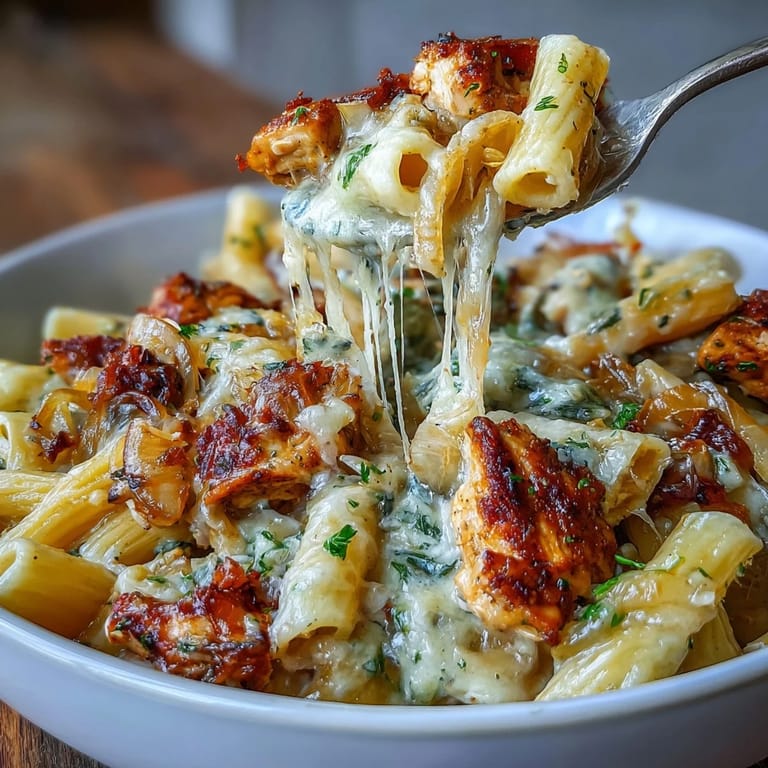
This recipe is beautifully adaptable, and half the fun is making it feel like yours rather than just following someone else's blueprint. I've added mushrooms when I had them, switched to Swiss cheese when that's what was in my fridge, and once even added a splash of brandy because someone had left a bottle on my counter. The foundation is solid enough that it can handle your creativity and improvisation.
- Try adding sautéed mushrooms or crispy bacon to deepen the savory notes even further.
- Fresh parsley or chives scattered over the top at the end add brightness that balances all the richness beautifully.
- A crisp green salad and cold glass of Chardonnay alongside this makes the meal feel complete and restaurant-worthy.
 Save
Save This is the kind of dish that reminds you why cooking matters—not because it's complicated, but because it transforms simple ingredients into something that tastes like care and attention. Make it once, and it'll become a regular visitor to your table on evenings when you need comfort most.
Recipe Help & Answers
- → What type of onions are best for caramelizing?
Yellow onions work best due to their natural sweetness and texture, which caramelize beautifully when cooked slowly.
- → Can I substitute the cheeses in this dish?
Yes, Gruyère can be replaced with Swiss or Emmental cheese, and mozzarella adds creaminess; Parmesan adds a nutty finish.
- → What pasta shapes work well here?
Short pasta like penne, fusilli, or rigatoni hold the sauce nicely and cook evenly in one pot.
- → Is it necessary to use white wine in the cooking liquid?
White wine adds depth but can be substituted with additional broth if preferred or for a milder flavor.
- → How can I make a vegetarian version of this dish?
Simply omit the chicken and use vegetable broth instead of meat-based broth for rich flavor without animal proteins.