 Save
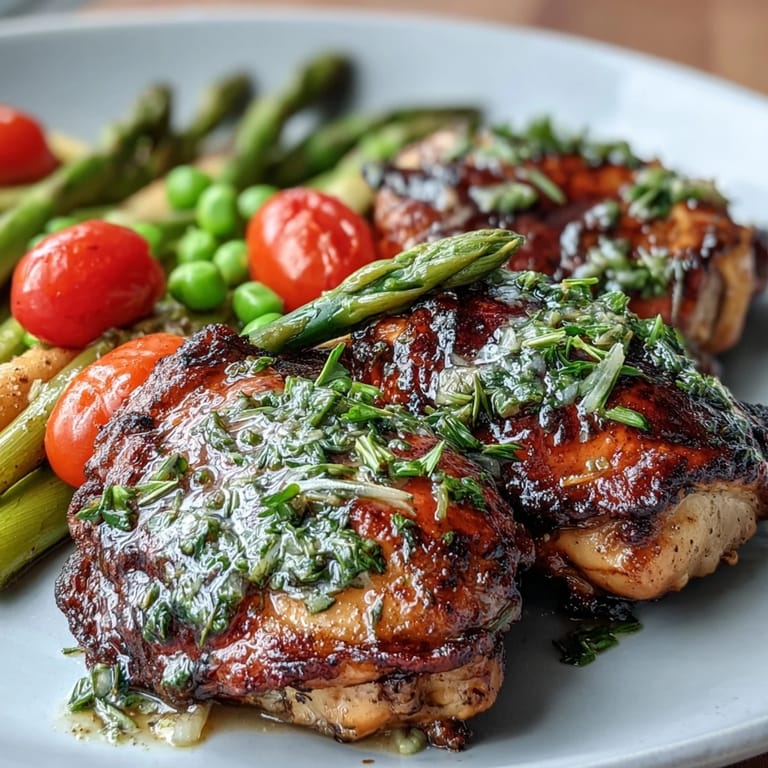
Save My sister called mid-afternoon asking what I was making for dinner, and I realized I had exactly forty-five minutes and a kitchen full of spring vegetables that needed using. Sheet pan meals saved me that day—and honestly, they've saved me dozens of times since. This one came together so naturally that I started writing it down, because people kept asking how I made chicken taste this good without fussing around with pots and pans.
I made this for my coworkers' potluck last spring, and watched people go back for seconds without realizing how simple it actually was. That's when I knew this recipe was a keeper—when everyone assumes you spent hours cooking but you actually had time to chat and set the table.
Ingredients
- Boneless, skinless chicken breasts (4, about 1.5 lbs): Pat them dry before seasoning so the marinade actually sticks instead of sliding off the moisture.
- Asparagus, trimmed and cut into 2-inch pieces (1 bunch): The shorter pieces roast more evenly and get those crispy tips you're actually hoping for.
- Cherry tomatoes, halved (1 cup): Halving them lets the heat reach the center so they burst slightly but don't turn to mush.
- Sugar snap peas, trimmed (1 cup): These stay snappy if you don't overcrowd the pan, so give them space to breathe.
- Baby carrots, halved lengthwise (1 cup): Halving them cuts the cooking time in half compared to leaving them whole.
- Red onion, sliced into wedges (1 small): The natural sweetness deepens as it roasts, creating a gentle caramel flavor that balances everything.
- Yellow bell pepper, sliced (1): Bell peppers add color and a subtle sweetness that rounds out the herb notes.
- Olive oil (3 tbsp): Quality matters here since it's not getting heated to the point of breaking down, so use something you actually like the taste of.
- Fresh lemon juice (2 tbsp): Fresh juice makes a real difference—bottled tastes flat compared to what you get from squeezing it yourself.
- Garlic, minced (2 cloves): Mince it small so it distributes evenly and doesn't end up in big harsh chunks.
- Dijon mustard (1 tsp): This ingredient is quiet but essential—it adds depth without making anything taste like mustard.
- Honey (1 tsp): Just enough to balance the acid from the lemon and add a whisper of sweetness.
- Dried oregano (1 tsp): Oregano and chicken are old friends, and this amount is just enough to taste intentional.
- Dried thyme (½ tsp): Thyme brings earthiness that makes the vegetables taste more like themselves.
- Salt (½ tsp): Taste the marinade before you commit—you might want a tiny bit more depending on your olive oil.
- Black pepper (¼ tsp): Freshly cracked pepper is worth the extra second it takes.
- Fresh parsley, chopped (2 tbsp): This gets sprinkled on at the end for brightness and a reminder that spring vegetables actually came from the ground.
- Lemon wedges (optional): Have them on the table so people can squeeze more brightness over everything if they want it.
Tired of Takeout? 🥡
Get 10 meals you can make faster than delivery arrives. Seriously.
One email. No spam. Unsubscribe anytime.
Instructions
- Heat your oven and prepare your pan:
- Set the oven to 425°F and line a large sheet pan with parchment paper—this prevents sticking and makes cleanup actually pleasant instead of a chore.
- Build the marinade:
- Whisk together the olive oil, lemon juice, minced garlic, mustard, honey, oregano, thyme, salt, and pepper in a small bowl until everything looks emulsified and smells absolutely incredible. You should taste a tiny bit and feel like you want to dip bread in it.
- Season the chicken:
- Pat your chicken breasts dry with a paper towel, then brush both sides generously with half the marinade. This is where the real flavor happens, so don't be shy with the brush.
- Coat the vegetables:
- Toss all your vegetables together in a large bowl with the remaining marinade until everything glistens and looks coated. This step takes maybe two minutes and changes everything.
- Arrange on the pan:
- Place the chicken breasts in the center of your sheet pan and scatter the vegetables around them in a single layer. Give everything room to breathe—crowding the pan makes things steam instead of roast.
- Roast until golden:
- Slide the whole thing into your preheated oven for 25 to 30 minutes, depending on how thick your chicken breasts are. You'll know it's done when the chicken hits 165°F on a meat thermometer and the vegetables have started to caramelize at the edges.
- Rest and finish:
- Pull the pan out of the oven and let everything sit for five minutes—this resting time lets the chicken relax and stay juicy instead of being tough. Sprinkle with fresh parsley and serve with lemon wedges for anyone who wants extra brightness.
 Save
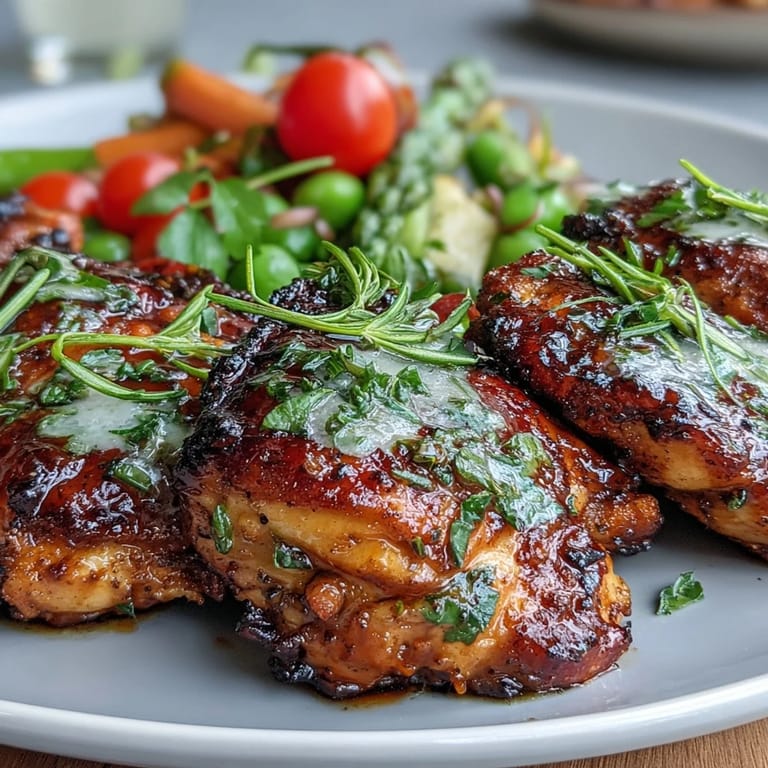
Save My mom tried this on a random Wednesday when she was tired of cooking the same rotation, and now it's her go-to when she wants to feel like she made something special without the stress. That's really what this dish is about—tasting impressive while being genuinely easy.
Timing Matters More Than You Think
The magic window for this recipe is when the chicken reaches a safe temperature at the exact same moment the vegetables are tender but still have a little snap to them. If your oven runs hot, start checking at 23 minutes instead of waiting the full 30—every oven has its own personality, and you'll figure out yours after one or two tries.
When to Swap or Substitute
Chicken thighs work beautifully here if you prefer more forgiving, flavorful meat, though they might need an extra five minutes in the oven. Spring vegetables can shift depending on what's actually in season—zucchini, radishes, and even baby potatoes work, but potatoes need a head start of about ten minutes before you add the rest.
Elevating Beyond Basic
Once you've made this the straightforward way, you'll start improvising—I've crumbled feta over everything at the end, added a drizzle of balsamic, even thrown in some kalamata olives for a Mediterranean twist. The base is strong enough to handle experimentation, which is part of why it became a regular in my kitchen rotation.
- Crumbled feta sprinkled over the finished dish adds tang and saltiness that makes everything taste richer.
- A splash of balsamic vinegar drizzled right before serving brings unexpected depth without changing the essential character of the meal.
- Serve alongside rice, couscous, or crusty bread if you want something to soak up the pan juices.
 Save
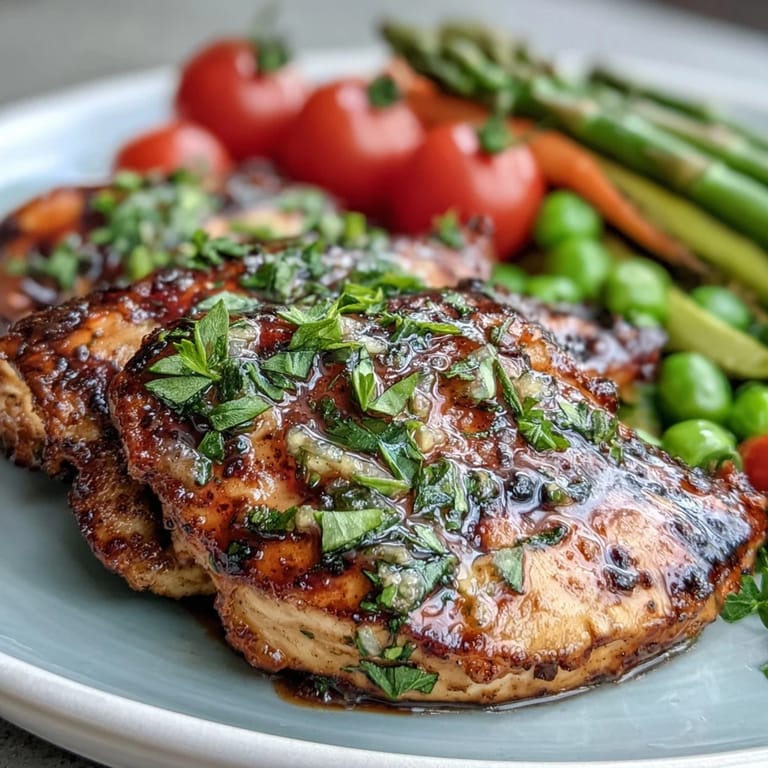
Save This dish became my answer to the 5 p.m. panic of not knowing what to make, and that's a gift worth holding onto. Once you've cooked it a couple times, your hands just know how to do it, which is when a recipe truly becomes yours.
Recipe Help & Answers
- → Can I substitute the chicken breasts with other cuts?
Yes, boneless skinless chicken thighs work well and offer a juicier alternative. Adjust cooking time slightly as thighs may take a few minutes longer to cook through.
- → What spring vegetables can I use instead of those listed?
Feel free to add or replace with zucchini, radishes, or baby potatoes. Keep in mind, potatoes require a longer cooking time, so adjust accordingly.
- → How can I check if the chicken is fully cooked?
Use a meat thermometer to ensure the internal temperature reaches 165°F (74°C). The juices should run clear when pierced.
- → Can this dish be made gluten-free?
Yes, the ingredients used are naturally gluten-free. Always verify packaged ingredients like mustard to ensure no hidden gluten.
- → What wine pairings complement this dish?
A crisp Sauvignon Blanc or a light rosé pairs beautifully, enhancing the fresh, herbaceous flavors without overwhelming the palate.