 Save
Save The first time I truly understood what zarb meant was when a friend from Amman invited me to help prepare it for a family gathering. We started before dawn, chopping vegetables by lamplight while she told me stories about her grandmother cooking this dish in desert camps. The smell of cumin and coriander hitting the hot oil that morning—I realized this wasn't just a recipe, it was a ritual wrapped in smoke and memory.
Years later, I made zarb for a dinner party on a cold November evening, and something unexpected happened—everyone went quiet the moment I uncovered the foil. The steam rose up carrying this deep, smoky richness that seemed to pause the whole room. My skeptical friend who usually picks at his food looked at me afterward and said, simply, "That's the best thing I've ever eaten here." Sometimes a dish does more than feed people; it changes how they feel about being at your table.
Ingredients
- Lamb shoulder or chicken pieces, bone-in, cut into large chunks (1.5 kg): The bone-in cuts are essential—they release gelatin that transforms your sauce into something silky and rich, and the meat stays impossibly juicy through the long cooking.
- Olive oil (2 tbsp): This carries the spices into every fiber of the meat; use a good one because it's doing real work here.
- Ground cumin (2 tsp): Cumin is the backbone—it's earthy and warming, and it somehow connects all the other spices into one harmonious flavor.
- Ground coriander (2 tsp): This brings a subtle sweetness that balances the deeper spices without announcing itself loudly.
- Ground cinnamon (1 tsp): A tiny amount of warmth that most people can't quite identify but absolutely notice when it's missing.
- Smoked paprika (1 tsp): This is where the word zarb comes alive—it gives you that underground-oven smokiness even if you're using a regular kitchen oven.
- Ground black pepper (1 tsp): Fresh and sharp, it keeps the spices from becoming one-dimensional.
- Salt (2 tsp): More than you might expect, but it wakes up every other flavor and helps the meat retain moisture.
- Garlic, minced (4 cloves): Mellow and fragrant, not aggressive—the long cooking softens it into something almost sweet.
- Lemon juice (1 lemon): Brightness cutting through richness, and it helps tenderize the meat while the marinade sits.
- Potatoes, quartered (3 large): They cook in the meat juices and become golden and almost creamy inside.
- Carrots, chopped into large pieces (3 large): Sweetness from the oven, and they soften enough to collapse with a fork but stay whole enough to feel substantial.
- Onions, quartered (2 medium): They melt into the sauce and become almost invisible, but they're the reason everything tastes complete.
- Zucchini, sliced into thick rounds (2 medium): A lighter note—it absorbs the flavors without getting heavy.
- Red and green bell peppers, chunked (1 each): Sweetness and color; they soften but hold their shape.
- Tomatoes, quartered (2 medium): Fresh acidity that keeps the whole dish from feeling too rich or heavy.
Tired of Takeout? 🥡
Get 10 meals you can make faster than delivery arrives. Seriously.
One email. No spam. Unsubscribe anytime.
Instructions
- Make the spice marinade and coat the meat:
- Whisk together the olive oil, cumin, coriander, cinnamon, paprika, black pepper, salt, minced garlic, and lemon juice in a large bowl. The mixture should smell immediately alive and warming. Add your meat chunks and massage the marinade in with your hands—really work it in so every piece is coated deeply. Cover and refrigerate for at least an hour, but overnight is when the magic really happens; the spices sink deeper and the lemon juice gently tenderizes the meat.
- Prepare your cooking vessel:
- Preheat your oven to 180°C (350°F). Arrange the marinated meat pieces on a wire rack set over a large roasting tray, or directly on the tray if you don't have a rack. The rack lets fat and juices drip down, creating a richer sauce.
- Toss the vegetables with care:
- In a separate bowl, toss all your vegetables with a little olive oil, salt, and pepper—just enough to coat them lightly. Arrange them around and beneath the meat pieces so they'll cook in the meat's released juices and catch all that smoky flavor. Don't crowd them; they need room to roast, not steam.
- Create the seal:
- Cover your tray tightly with aluminum foil, pressing the edges down firmly so steam can't escape easily. If you can find banana leaves, layer them under the foil for authenticity and a subtle flavor. This sealed environment is where the magic happens—everything steams in the meat's own juices while staying smoky from the spices.
- Let time and heat do the work:
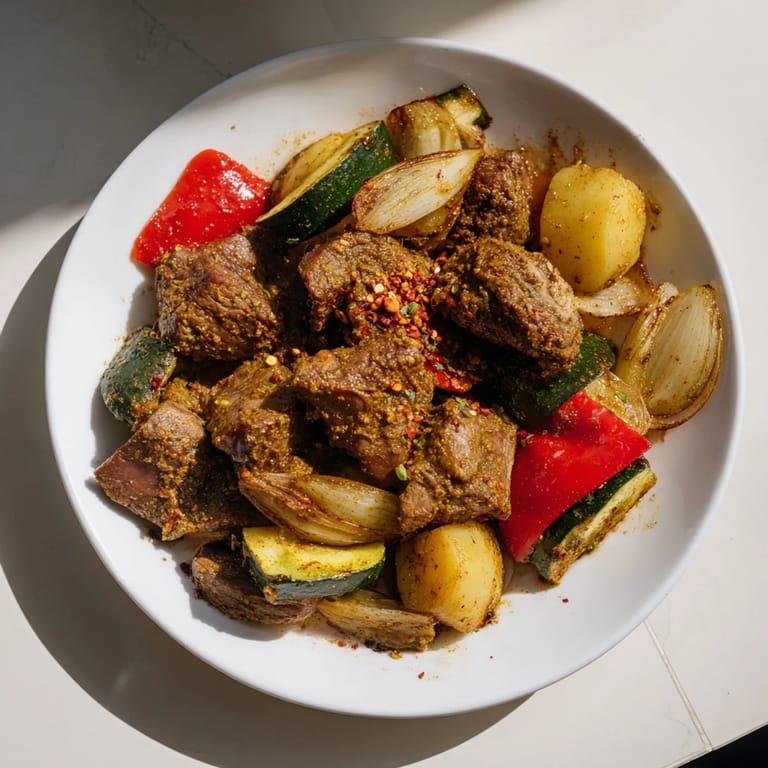
- Bake for 2.5 hours until the meat is so tender it nearly falls from the bone and the vegetables have softened into sweetness. Your kitchen will smell like a Bedouin camp. If you're using an actual underground oven, place the foil-wrapped tray in the preheated pit, cover it with hot coals and sand, and follow the same timing.
- Prepare the rice (if serving alongside):
- While the zarb cooks, rinse your rice and combine it with broth, butter or oil, and salt in a saucepan. Bring it to a boil, then drop the heat low, cover, and let it simmer for 15 to 20 minutes until fluffy and each grain is separate. The rice should be ready just as the zarb comes out of the oven.
- Open carefully and serve:
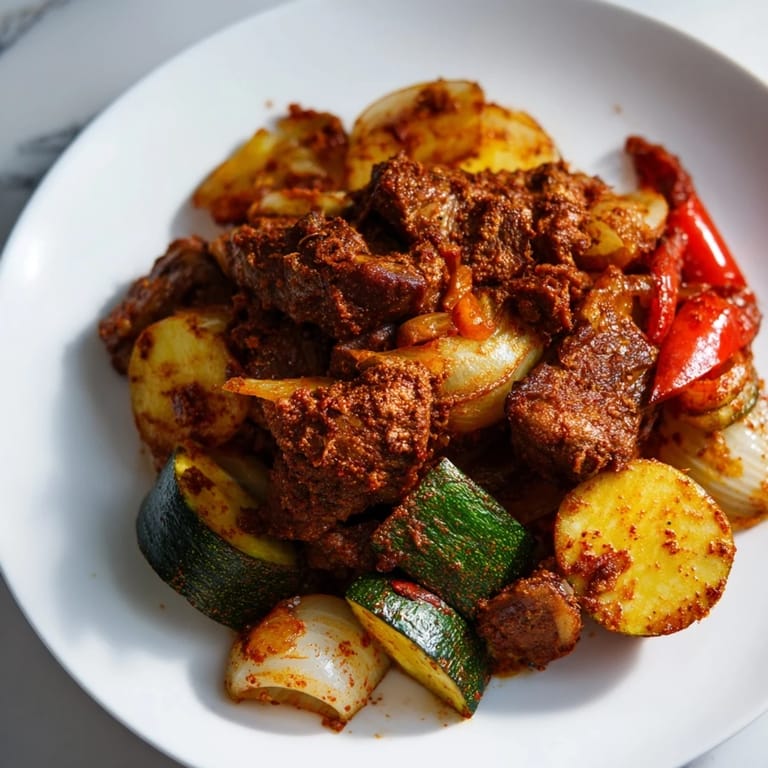
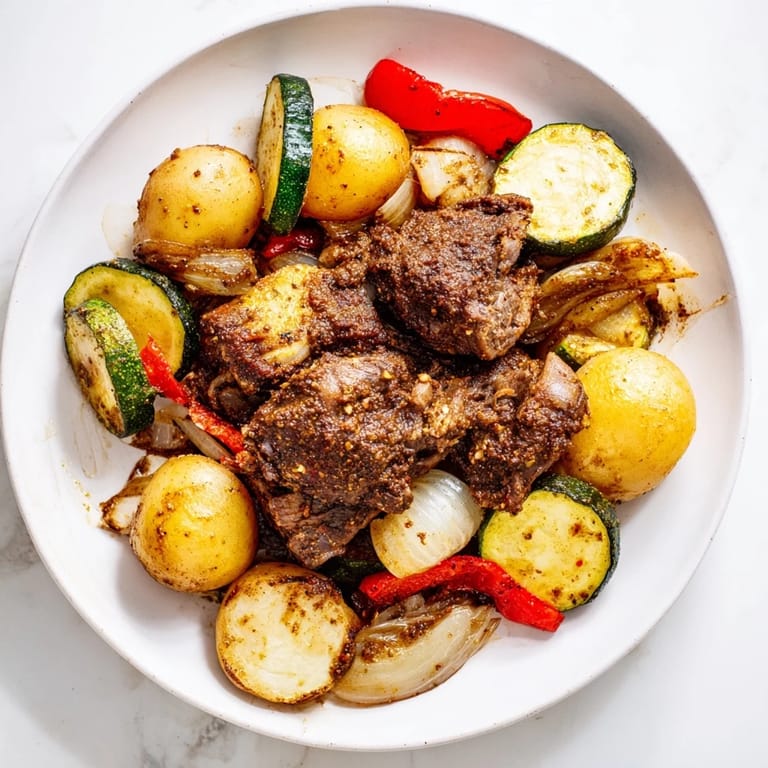
- When everything is done, carefully peel back the foil—the steam will be intense and fragrant. Transfer the meat and vegetables to a large platter, optionally over a bed of rice, and spoon all those pan juices over the top. The juices are liquid gold; don't leave them behind.
 Save
Save I'll never forget serving this to my neighbor who'd lost her husband just months before. She came to dinner hesitantly, and halfway through eating, she closed her eyes and just sat there quietly for a moment. Afterward, she told me it reminded her of a trip they took to Jordan decades ago, and she'd been able to taste that memory again. That's when I understood that zarb isn't really about technique or even ingredients—it's about creating a moment where time slows down and people feel taken care of.
The Story of Zarb: Why This Dish Matters
Zarb is a Bedouin tradition born from necessity and ingenuity—nomadic families would dig pits in the desert sand, heat them with coals, and slow-cook entire meals underground while they traveled or worked. What started as practical cooking became something sacred, a way to gather around food that tasted of earth and smoke and time. When you make zarb in a modern kitchen, you're not just following a recipe; you're honoring that tradition and bringing its warmth into your own space.
Variations and Personal Touches
The beauty of zarb is how forgiving it is. I've made it with chicken when lamb felt too heavy, and it was just as good. Some versions add eggplant or sweet potatoes for different sweetness and texture. A friend swears by throwing in dried apricots at the end for unexpected brightness. The vegetables are truly flexible—use what's fresh and what you love. The constant is always the spice blend and the slow cooking, which is where the dish's soul lives.
Serving and Pairing
Zarb arrives at the table best on a large platter where everyone can see the abundance—it's meant to be shared, meant to bring people together. Serve it with thick, warm flatbread for scooping up the sauce and meat, and a cool, tangy yogurt sauce (plain yogurt mixed with salt, lemon, and fresh herbs) cuts through the richness beautifully. I've paired it with everything from a robust red wine to mint tea, depending on the season and the company.
- A dollop of plain yogurt mixed with fresh cilantro and a squeeze of lemon on the side transforms each bite.
- Warm the flatbread just before serving so it's soft enough to tear but still has some structure.
- If you have leftovers, shred the meat and layer it with the vegetables in warm bread for incredible sandwiches the next day.
 Save
Save Zarb is one of those rare dishes that works as hard to nourish your guests as it works to nourish your own soul. Once you've made it, you'll keep making it.
Recipe Help & Answers
- → What cuts of meat work best for Jordanian Zarb?
Lamb shoulder and bone-in chicken pieces are ideal for tender, flavorful results after slow cooking.
- → How does the marinade enhance the dish?
The marinade, consisting of olive oil, cumin, coriander, cinnamon, smoked paprika, garlic, and lemon juice, tenderizes the meat while infusing it with aromatic, spicy, and citrus notes.
- → Can vegetables be varied in this dish?
Absolutely, additions like eggplants or sweet potatoes can be included to introduce new textures and flavors.
- → Is cooking in an underground oven necessary?
An underground pit adds authentic smoky flavor, but a conventional oven covered tightly with foil can produce excellent results with similar tenderness.
- → How should the accompanying rice be prepared?
Long-grain rice is simmered gently in broth with butter or olive oil until fluffy, providing a mild and complementary starch to the rich meats and vegetables.
- → What serving suggestions complement this dish?
Serving with tangy yogurt sauce, flatbreads, and beverages like robust red wine or mint tea enhances the overall dining experience.