 Save
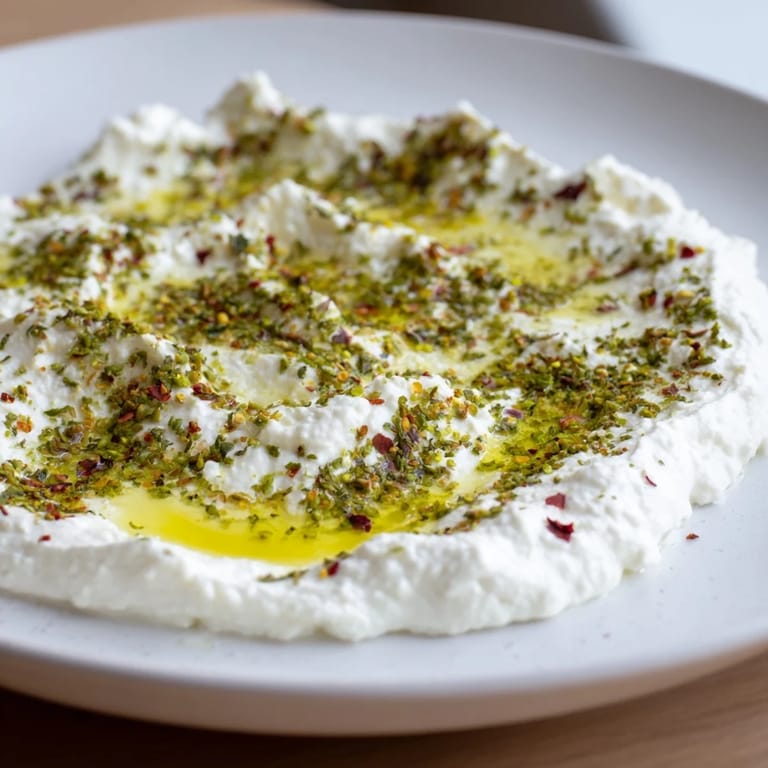
Save My first encounter with labneh happened by accident on a humid afternoon in Beirut, where a friend's mother casually spooned it onto warm flatbread like it was the simplest thing in the world. I watched the creamy white cheese catch the light, pooled with golden olive oil, and realized I'd been missing something essential. What amazed me most was learning it required almost no cooking, just time and patience—two things I finally understood matter more than any fancy technique.
I brought a bowl of labneh to a dinner party once, nervous it wouldn't impress against fancier dishes, and watched it disappear first. People kept coming back, tearing bread, using spoons, asking for the recipe with genuine hunger in their eyes. That's when I understood: sometimes the most profound food is the quietest.
Ingredients
- Full-fat plain yogurt (1 kg / 4 cups): This is everything—choose Greek yogurt or even better, already-strained yogurt if you can find it, because the fat content determines how creamy your final cheese becomes, and skipping it would be like trying to make silk from cotton.
- Fine sea salt (½ tsp): Salt doesn't just season; it draws out whey and guides the transformation, so don't skip it or reduce it thinking you'll adjust later.
- Extra-virgin olive oil (2 tbsp): The best oil you own deserves to sit on top of this, where it can shine and protect the cheese from drying out.
- Dried mint or zaatar (1 tsp, optional): These aren't decorations—they're whispers of flavor that change everything about how the cheese tastes.
- Aleppo pepper or sumac (a pinch, optional): Either one adds brightness and a subtle kick that makes people pause mid-bite and ask what's happening on their tongues.
Tired of Takeout? 🥡
Get 10 meals you can make faster than delivery arrives. Seriously.
One email. No spam. Unsubscribe anytime.
Instructions
- Salt your yogurt gently:
- Stir the salt through the yogurt with a patient hand, making sure every spoonful knows the salt is there. This simple step is the beginning of everything.
- Build your straining station:
- Layer cheesecloth or a clean, thin kitchen towel in your sieve, then nest it over a deep bowl—this is your yogurt's bed for the coming hours. The setup matters because whey will drip steadily, and you don't want it pooling underneath where the cloth touches liquid.
- Transfer and gather:
- Pour the salted yogurt into the cloth-lined sieve, then bring the cloth edges together and tie or gather them loosely over the top so air can move through, but the yogurt stays contained.
- Let time do the work:
- Refrigerate and forget about it for 12 to 24 hours—12 hours gives you something soft and spreadable, while 24 hours rewards you with something dense enough to roll into balls. Listen to your instinct about what texture you're after.
- Unwrap your cheese:
- When you lift away the cloth and see the transformation from liquid to solid, something small shifts in how you think about cooking. Scoop it into a serving dish and taste it before you do anything else.
- Dress it with intention:
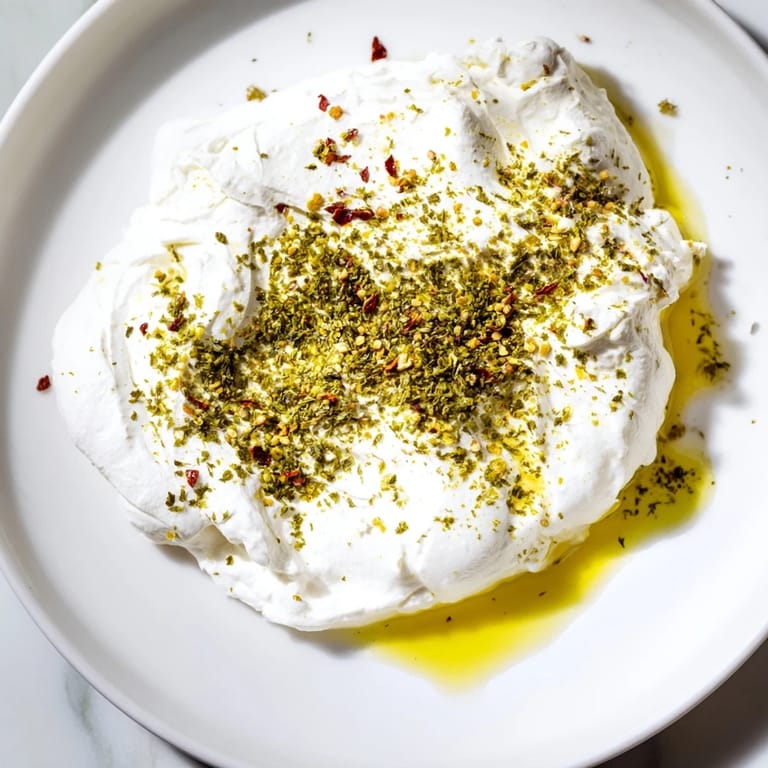
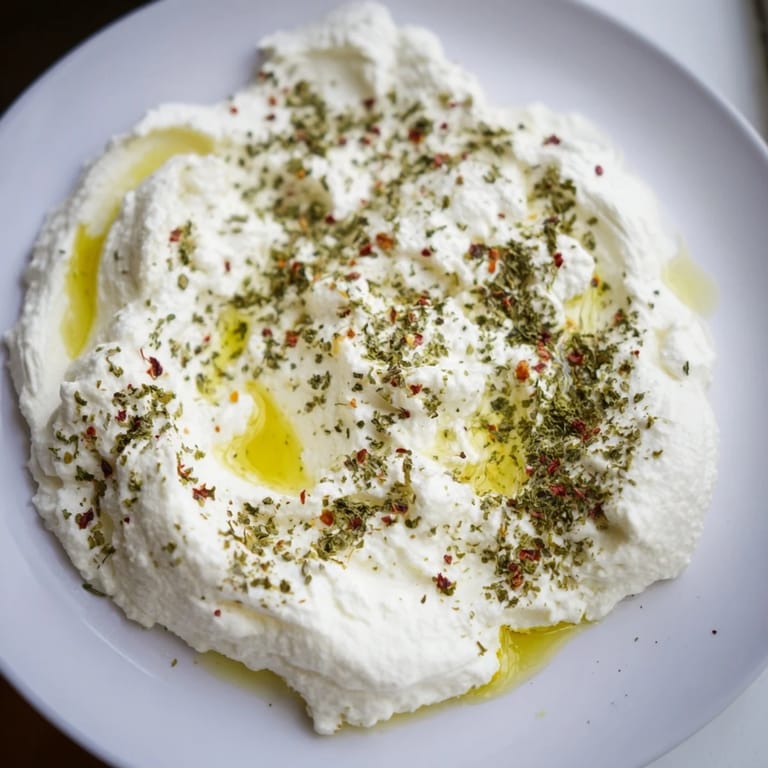
- Drizzle olive oil in a generous spiral, then scatter dried herbs or a whisper of pepper—this isn't about coverage, it's about creating little pockets of flavor that bloom when someone takes a bite.
 Save
Save There's a moment, always, when someone who's never made labneh before opens their refrigerator and sees the transformation—solid where there was liquid, creamy where there was thin. They text you photos. They make it again. That's when it stops being a recipe and becomes something they own.
The Waiting Game
The hardest part of making labneh is not checking on it every two hours. I learned this by checking it constantly, opening the fridge, lifting the cloth, peeking underneath—actions that disrupted the strain and taught me nothing except impatience. The yogurt works better when you trust it, when you set it and actually walk away. There's a meditation in that restraint, in believing that some transformations don't need witnessing.
Serving Possibilities
Labneh is a quiet dish that pairs with everything—warm pita, raw vegetables, olives spread across a board, even scrambled eggs if you're brave enough. But the most memorable way I've served it is on its own, in a shallow bowl, with nothing but olive oil and herbs, letting people discover it the way I did, with no expectations and room for wonder.
Making It Your Own
Once you understand the method, labneh becomes a canvas—strain it until it's firm enough to roll, coat the balls in olive oil infused with herbs and spices, and you've created something that looks like small treasures. Vegan versions work beautifully if you use a thick plant-based yogurt, though the texture shifts toward mousse-like rather than cheese-like. The recipe keeps for five days in the refrigerator, which means you can make it Sunday and eat from it all week without guilt.
- Experiment with different herb blends—black sesame, crushed pistachios, fresh herbs all find their place here.
- Save your whey for soaking bread dough or making ricotta, because throwing it away feels like leaving money on the table.
- Remember that labneh frozen in olive oil keeps for months and becomes a gift worth giving.
 Save
Save Labneh taught me that the best cooking often asks for almost nothing—just good ingredients, a little salt, and the willingness to wait. It's a gift you give to yourself and everyone who tastes it.
Recipe Help & Answers
- → What is labneh made from?
Labneh is made by straining full-fat plain yogurt to remove whey, resulting in a thick, creamy cheese.
- → How long should labneh be strained?
The yogurt should be strained for 12 to 24 hours depending on desired thickness; 12 hours for a soft spread, up to 24 for firmer texture.
- → Can labneh be served with herbs?
Yes, it’s commonly garnished with dried mint, zaatar, or sumac for added flavor and aroma.
- → Is labneh suitable for vegetarians?
Yes, it contains only dairy and salt, making it a vegetarian-friendly option.
- → How should labneh be stored?
Store labneh refrigerated for up to 5 days in an airtight container to maintain freshness.