 Save
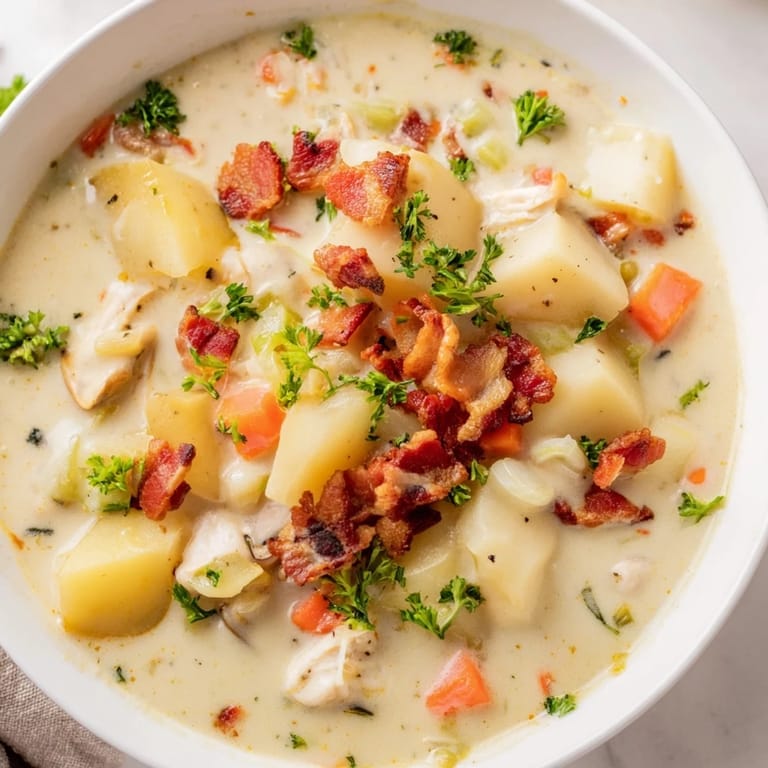
Save My first real bowl of New England clam chowder arrived on a foggy October afternoon at a small harbor shack, and I remember being struck by how the creamy broth seemed to capture the smell of the ocean itself. The clams were tender enough to barely need chewing, the potatoes soft and almost buttery, and somewhere beneath all that richness was a whisper of thyme and bacon that made everything feel intentional. I spent three winters trying to recreate it before I realized the magic wasn't in rushing—it was in letting each flavor have its moment, starting with bacon fat and ending with a gentle simmer that never broke into an aggressive boil.
I made this for my sister the first winter she moved to the city, and we sat in her tiny apartment passing the soup back and forth like it was something sacred. She told me it tasted like home, which I think meant it tasted like comfort—like we were sitting on a dock somewhere instead of in a kitchen with mismatched bowls. That's when I understood this soup isn't really about being fancy; it's about filling people with something warm on a cold day.
Ingredients
- Fresh littleneck clams (2 lbs): The heart of this chowder—look for clams that feel heavy and close their shells when tapped, which means they're alive and at their best.
- Clam juice (1 cup): Bottled clam juice is your shortcut for depth, but if you steam your clams, save every drop of that briny liquid because it's liquid gold for the broth.
- Russet potatoes (2 medium): They break down slightly as they cook, which naturally thickens the soup without feeling heavy.
- Yellow onion, celery, and carrot (about 2 cups combined): This aromatic base is where your flavor foundation begins, so chop them small and even so they soften together.
- Bacon (2 slices): It seems like a small detail until you taste how it anchors the whole bowl with a subtle smokiness.
- Heavy cream and whole milk (2.5 cups combined): The richness that makes this soup cling to your spoon, but use both dairy types so it stays balanced rather than heavy.
- Butter and flour (2 tbsp each): This roux thickens the chowder without making it feel starchy—the key is cooking the flour briefly to remove any raw taste.
- Bay leaf and dried thyme: Bay leaf brings structure to the broth, while thyme adds a subtle earthiness that reminds you this came from the sea.
Tired of Takeout? 🥡
Get 10 meals you can make faster than delivery arrives. Seriously.
One email. No spam. Unsubscribe anytime.
Instructions
- Wake up the clams:
- Scrub your clams under cold water until the shells feel clean, then add them to a large pot with 2 cups of water and bring everything to a boil. Once the steam starts rising, cover the pot and let them sit for 5 to 7 minutes—you'll hear them pop open one by one, which is your signal they're ready.
- Free the clams from their shells:
- Let the clams cool enough to handle, then pry the meat from each shell and chop it into bite-sized pieces. Don't discard that cooking liquid—strain it carefully to catch any sand, then pour it into a measuring cup because you just made liquid gold.
- Render the bacon fat:
- Dice your bacon and cook it in a large Dutch oven over medium heat until it's crispy and golden brown, which takes about 5 minutes. Scoop out the bacon with a slotted spoon and set it aside on a paper towel, leaving that rendered fat in the pot.
- Build your flavor base:
- Add butter to the bacon fat, then toss in your chopped onion, celery, carrot, and garlic. Stir occasionally while they soften and turn translucent, about 5 minutes—your kitchen will smell incredible once the garlic releases its warmth.
- Make a proper roux:
- Sprinkle the flour over your softened vegetables and stir constantly for about 1 minute to cook out that raw flour taste and create a light paste. This only takes a moment, but it's crucial because it thickens everything that comes next.
- Introduce the broth:
- Slowly pour in your reserved clam cooking liquid and the bottled clam juice, stirring continuously so the roux breaks up evenly and there are no lumps. Scrape the bottom of the pot with your spoon to lift up all those caramelized brown bits, which hold so much flavor.
- Cook the potatoes:
- Add your diced potatoes along with the bay leaf and thyme, then bring everything to a gentle simmer. Let the potatoes cook for 10 to 12 minutes until they're fork-tender but not falling apart—you want them to thicken the broth naturally without turning into mush.
- Bring it together gently:
- Lower the heat to its gentlest setting, then stir in the chopped clams, crispy bacon, heavy cream, and whole milk. Let it all warm through for 5 to 10 minutes with occasional stirring, but never let it boil or the cream will break and separate.
- Taste and season:
- Remove the bay leaf and taste the broth—it should taste briny from the clams but balanced by the cream. Add salt and pepper slowly, tasting as you go, because the clam juice already carries saltiness.
- Serve with intention:
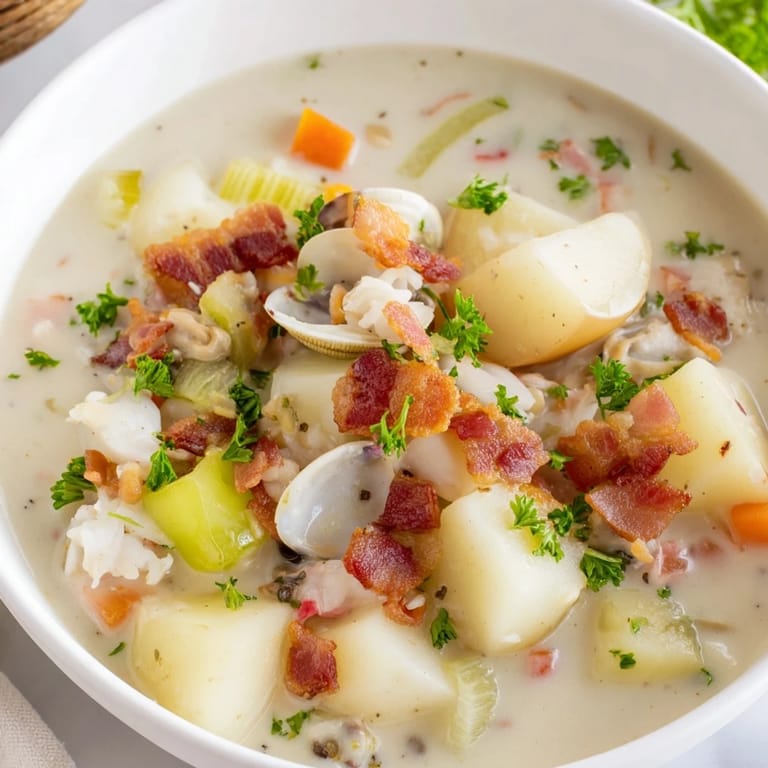
- Ladle the chowder into bowls, scatter fresh parsley across the top, and serve immediately with oyster crackers on the side. The crackers soften slightly in the broth, which creates little pockets of flavor.
 Save
Save There's a moment about halfway through cooking this chowder when your kitchen transforms—when the bacon fat mingles with the bay leaf and the clam broth starts to steam upward, filling the air with that bittersweet ocean smell. That's the moment you realize you're not just making lunch; you're creating something that will warm someone from the inside out.
The Right Clams Make All the Difference
I learned early on that littleneck clams are the backbone of authentic New England chowder, and size matters more than I thought. They're large enough to have real meat but tender enough to cook quickly without becoming rubbery, which is why they're preferred over smaller varieties like littlenecks' smaller cousins. When you're at the fish counter, pick each clam individually and listen for the sound of the shell closing—a living clam's reflex—because that split-second response tells you it's fresh and ready.
When to Go Lighter or Richer
The cream-to-milk ratio in this recipe is forgiving enough to adjust based on what you have on hand or how you're feeling. On days when I want something that feels slightly less indulgent, I'll use half-and-half instead of the combination of heavy cream and whole milk, which keeps the soup silky but a bit less coating. Other times, when I'm cooking for people who need comfort more than moderation, I'll swap everything for heavy cream and let the richness become the whole point.
Small Additions That Shift Everything
The base recipe is perfect as written, but there are a few optional touches that can push it in different directions depending on your mood. A dash of hot sauce added at the very end brings a gentle heat that makes the briny clam flavor pop louder, while smoked paprika sprinkled on top adds a dimension that feels almost BBQ-adjacent. Some people add a splash of white wine before the cream to brighten everything, though I only do this when I'm pairing the soup with drinks and want the flavors to echo each other.
- A pinch of celery salt in place of some of the regular salt echoes the vegetable base without making anything taste one-dimensional.
- Fresh thyme leaves stirred in right before serving taste sharper and more alive than the dried thyme cooked into the broth.
- If you want to make it thicker without adding more cream, mash a few cooked potatoes in a bowl before stirring them back into the pot.
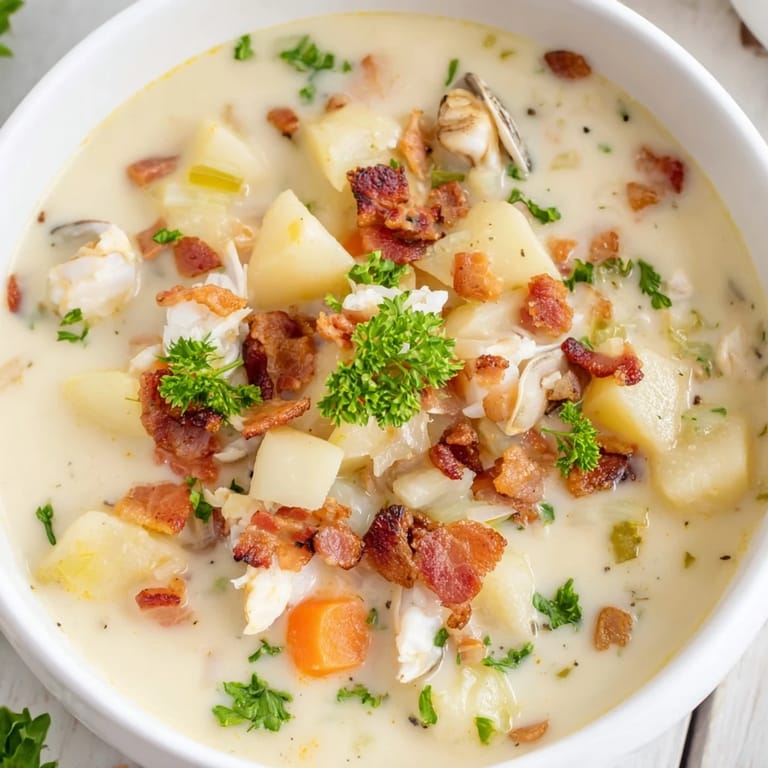 Save
Save This chowder is the kind of food that gives you permission to slow down, to sit across from someone you care about, and to taste what it means when simple ingredients become something greater than themselves. Once you've made it a few times, it becomes muscle memory—your hands will know how long to cook the vegetables and your nose will tell you when the roux is ready.
Recipe Help & Answers
- → What type of clams are best for this dish?
Fresh littleneck clams work best due to their tender meat and sweet flavor, which complements the creamy base perfectly.
- → Can I use bottled clam juice instead of fresh clam cooking liquid?
Yes, bottled clam juice can be used to enhance flavor when fresh clam cooking liquid is not available.
- → How can I achieve a thicker texture?
Mash a few of the cooked potatoes directly in the pot before adding the dairy to naturally thicken the chowder.
- → What herbs add the best flavor?
Bay leaf and dried thyme provide subtle aromatic notes that balance the richness of the chowder.
- → Is it necessary to remove the bay leaf before serving?
Yes, the bay leaf should be removed after simmering as it imparts flavor but is not intended to be eaten.