 Save
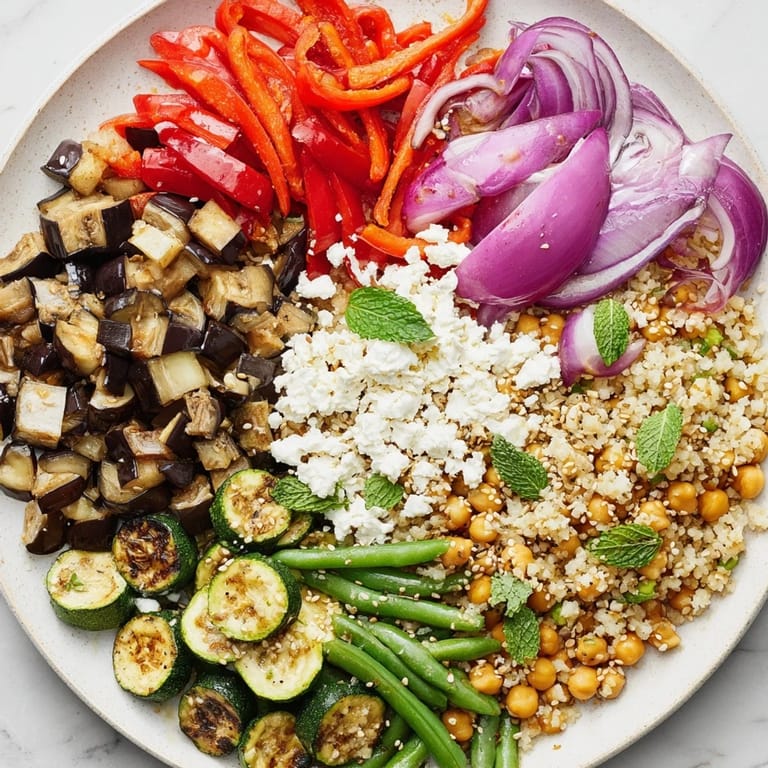
Save I discovered this dish while leafing through travel notes from a kitchen colleague who'd spent months hopping between Istanbul, Bangkok, and Barcelona. She'd jotted down flavor combinations from three different street markets, and I became obsessed with the idea of cooking them all at once, side by side, letting each region speak without competing. The result was this vibrant three-cluster plate that turned out to be exactly what I needed when friends with wildly different tastes kept showing up at my table.
I'll never forget the first time I made this for my neighbors during a casual potluck. Someone tasted the Mediterranean cluster and said it reminded them of a summer in Greece, while another person was completely lost in the Asian side's ginger and umami. Watching everyone build their own plate, mixing and matching, felt less like serving dinner and more like opening a small window into three different kitchens at once.
Ingredients
- Extra-virgin olive oil: Use the good stuff for the Mediterranean cluster—it carries the oregano and makes the eggplant silky without needing much coaxing.
- Eggplant: Dice it small so it softens quickly and soaks up all those Mediterranean flavors without turning into mush.
- Red bell pepper: The sweetness here balances the earthiness of the eggplant beautifully.
- Zucchini: Slice it just thick enough that it holds its shape through the cooking.
- Cherry tomatoes: Halve them so they burst slightly and release their juice into the pan.
- Garlic: Mince it fine so it distributes evenly without any harsh chunks.
- Toasted sesame oil: This is non-negotiable for the Asian cluster—it brings depth you can't fake with regular sesame oil.
- Shiitake mushrooms: Slice them thick enough to get a little color and develop that meaty texture.
- Snap peas: Keep them whole or halved so they stay crisp and snappy under the heat.
- Carrot: Julienne it thin so it cooks quickly and looks elegant on the plate.
- Soy sauce or tamari: Tamari is your friend if you need gluten-free, and honestly the flavor difference is minimal.
- Fresh ginger: Grate it directly into the pan so the fibers break down and release their heat.
- Rice vinegar: This bright note keeps the Asian cluster from feeling heavy.
- Red onion: Slice it thin and let it soften into jammy sweetness—it's the foundation of the Middle Eastern cluster.
- Chickpeas: Drain and rinse them well so they don't cloud the pan or add excess starch.
- Bulgur or quinoa: Bulgur gives you that chewy bite, while quinoa is fluffier and more neutral if you prefer.
- Ground cumin, coriander, and cinnamon: Toast them together briefly in your mind before adding so they bloom and marry their warmth.
- Fresh parsley: Chop it just before serving so it stays bright and doesn't wilt into the warm dishes.
- Lemon juice: Squeeze it fresh over the Middle Eastern cluster to wake everything up at the last moment.
- Feta cheese: Crumble it cold so it stays distinct and salty, not melted into submission.
- Toasted sesame seeds: These add crunch and nuttiness across all three clusters.
- Fresh mint or cilantro: Choose based on mood—mint feels more Mediterranean, cilantro ties back to the Middle Eastern traditions.
Tired of Takeout? 🥡
Get 10 meals you can make faster than delivery arrives. Seriously.
One email. No spam. Unsubscribe anytime.
Instructions
- Set up your stage:
- Lay out three large skillets and prepare all your vegetables in advance so the actual cooking flows without pause. This is the kind of mise en place that matters because you'll be managing three pans at once, and anything left undone becomes stressful.
- Begin the Mediterranean cluster:
- Heat your best olive oil in the first skillet over medium heat until it shimmers just slightly. Add the diced eggplant and let it sit for a minute before stirring, developing a soft golden exterior that drinks in that oil.
- Build the Mediterranean flavors:
- After the eggplant has surrendered a bit, add the red pepper, zucchini, and tomatoes, stirring gently so everything gets introduced to the heat gradually. Scatter in your minced garlic, oregano, salt, and pepper, letting the pan fill with that warm, herby Mediterranean perfume.
- Finish the Mediterranean side:
- Cook for another 8 to 10 minutes, stirring occasionally so nothing catches or browns too hard. You want the vegetables tender and fragrant, still holding their shape but completely yielding to the flavors around them.
- Start the Asian cluster:
- While the Mediterranean cluster is cooking, heat your sesame oil in the second skillet over medium-high heat—it should smell nutty and warm but never smoky. Add the shiitake mushrooms and let them sear undisturbed for a couple of minutes so they develop color and concentrate their umami.
- Wake up the Asian vegetables:
- Stir in the snap peas and julienned carrot, letting them dance in that hot oil for just 2 minutes. Pour in your soy sauce, ginger, and rice vinegar, then sauté for another 2 to 3 minutes until everything tastes bright and crisp-tender, never soft.
- Begin the Middle Eastern cluster:
- In your third skillet, warm a tablespoon of olive oil over medium heat and add those thinly sliced red onions. Let them cook gently, stirring now and then, until they turn translucent and start to soften into themselves, about 3 minutes.
- Layer in the Middle Eastern spices:
- Add the chickpeas and your cooked bulgur or quinoa, then scatter in the cumin, coriander, and cinnamon. Stir everything together so the spices coat the grains and beans evenly, filling the skillet with that warm, complex aroma.
- Finish the Middle Eastern side:
- Cook for about 5 minutes, stirring often so nothing sticks or burns at the edges. Remove from heat and immediately toss in your fresh parsley and the bright squeeze of lemon juice, tasting and adjusting salt and pepper to your preference.
- Compose your plate:
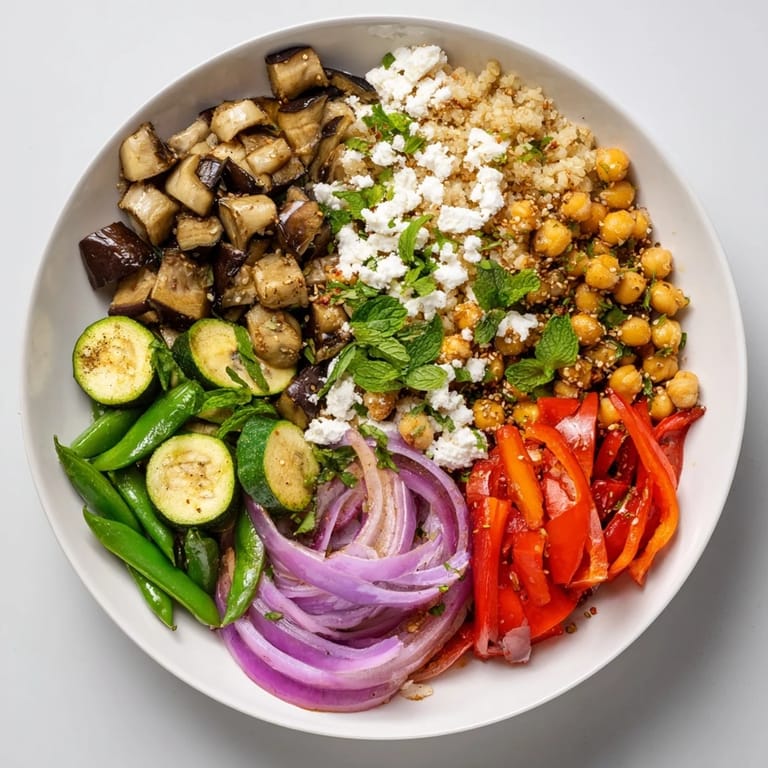
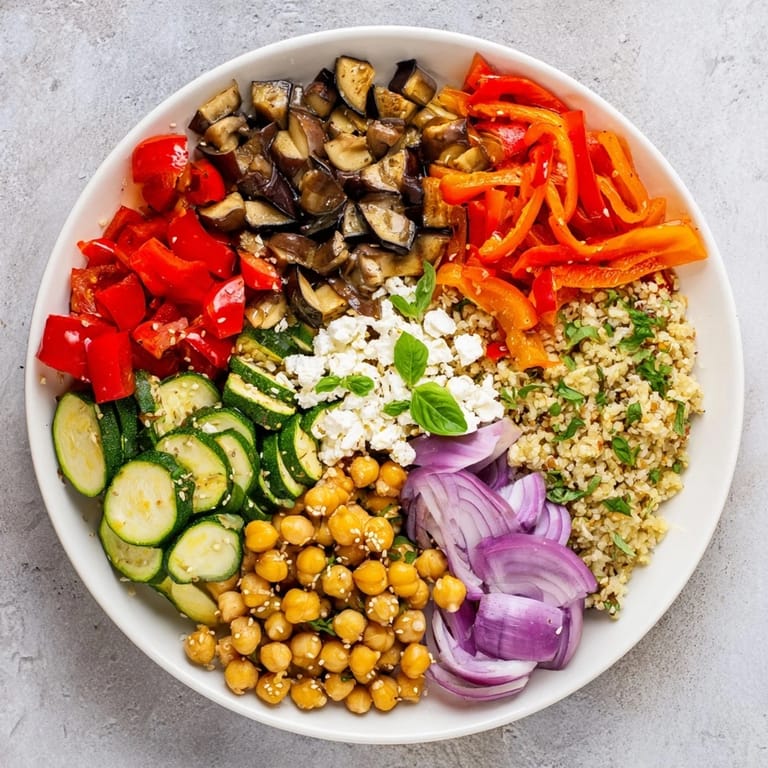
- Arrange all three clusters side by side on a large platter or on individual plates, giving each cluster its own territory so the flavors stay distinct until your diners decide otherwise. Scatter sesame seeds across everything, add crumbled feta if you're using it, and finish with fresh mint or cilantro leaves scattered like you meant it.
- Serve with intention:
- Bring everything warm to the table and encourage your guests to mix, match, or keep the clusters separate—the beauty is that there's no right way, only their way.
 Save
Save What surprised me most about this dish was how it became a conversation starter. People stopped eating individually and started reaching across the table, comparing notes on flavor, debating which cluster won the night. It transformed a regular dinner into something closer to a tasting menu, but friendlier and less pretentious.
Why This Becomes Your Go-To Dish
Once you've cooked this recipe a couple of times, you'll start seeing it as a template rather than a rigid instruction. You can swap vegetables freely—zucchini for green beans, mushrooms for celery root, chickpeas for white beans—as long as you keep the flavor logic intact. The genius of cooking in clusters is that you're not trying to balance one overwhelming dish; you're creating three smaller conversations that happen to exist on the same plate.
Serving and Pairing Suggestions
This dish is naturally suited to simple sides that don't compete. Warm flatbread works beautifully for wrapping and layering flavors, while steamed rice offers a neutral canvas for anyone who wants to create their own flavor combinations. A crisp Sauvignon Blanc cuts through the richness of the olive oils and sesame, or go lighter with a Pinot Noir if you want something with a bit more body but still elegant enough not to overpower.
Making It Your Own
The beauty of this recipe is that it invites personalization at every step. Build confidence by starting exactly as written, then gradually adjust seasonings, swap proteins, or add extra clusters—perhaps an Indian or North African cluster could work beautifully. Think of it as learning a language: master the basics first, then start improvising.
- For extra protein, grill chicken, crispy tofu, or seasoned lamb and nestle it alongside its corresponding cluster.
- Vegan cooks simply skip the feta cheese, and the dish loses nothing—it's complete on its own.
- Store leftovers separately by cluster in airtight containers; they'll keep for three days and actually taste better as the flavors deepen and meld.
 Save
Save This dish taught me that the most satisfying meals aren't always about perfect harmony—sometimes it's about creating space for different flavors to coexist, letting your guests find their own path through the plate. That's when food becomes more than sustenance; it becomes an invitation.
Recipe Help & Answers
- → What oils are used in the dish?
Extra-virgin olive oil and toasted sesame oil are used to highlight the different regional flavors in the dish.
- → Can this dish accommodate gluten-free diets?
Yes, replacing bulgur with quinoa and using tamari instead of soy sauce makes it suitable for gluten-free preferences.
- → What garnishes complement the clusters?
Toasted sesame seeds, crumbled feta, and fresh mint or cilantro leaves add texture and fresh, bright notes.
- → How are the vegetable clusters cooked?
Each cluster is sautéed separately with its unique blend of spices and oils until vegetables are tender and flavors meld.
- → Are there protein options to add?
Grilled chicken, tofu, or lamb can be included in any cluster for added protein, while feta can be omitted for a vegan option.
- → What sides pair well with this dish?
Flatbread or steamed rice are ideal accompaniments, helping to round out the meal and balance the bold flavors.