 Save
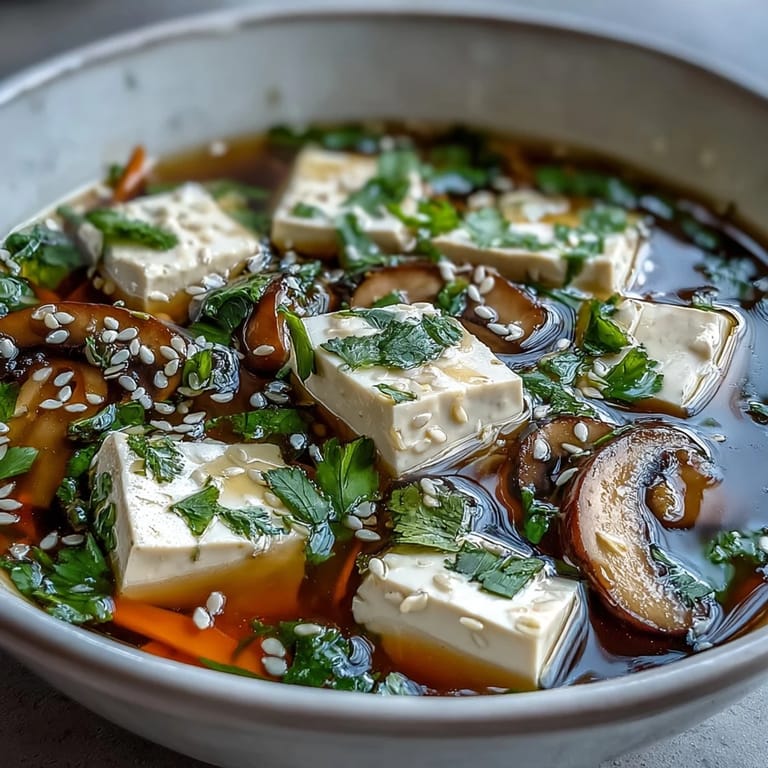
Save Steam was rising from the pot on a Tuesday night when I realized I had forgotten to defrost anything for dinner. I opened the fridge and found a carton of silken tofu, a bag of wilting bok choy, and some mushrooms that needed using. Within minutes, the kitchen smelled like ginger and sesame, and I was ladling out bowls of soup that tasted like I had planned it all along. Sometimes the best meals come from empty fridges and tired evenings.
I made this soup for a friend who was recovering from a cold, and she called it liquid comfort. We sat at the table with our bowls, adding extra lime and chili oil, talking about nothing important while the windows fogged up. She asked for the recipe three times before she left, and now she makes it every time someone in her family feels under the weather.
Ingredients
- Low-sodium vegetable broth: This is the foundation of the soup, so use the best quality you can find because its flavor will shine through in every spoonful.
- Soy sauce or tamari: It adds that deep umami backbone, and using tamari keeps it gluten-free without sacrificing any richness.
- Fresh ginger: Slice it thin so it releases its warmth into the broth without overpowering the delicate vegetables.
- Garlic: Mince it finely and let it bloom in the sesame oil until your kitchen smells like the beginning of something good.
- Sesame oil: Just a teaspoon is enough to add a nutty, toasted aroma that makes the whole pot feel intentional.
- Carrot: Julienne it into thin strips so it cooks quickly and adds a slight sweetness that balances the salty broth.
- Shiitake mushrooms: Their earthy flavor deepens the broth and gives each bite a satisfying chew.
- Baby bok choy: It wilts beautifully and brings a mild, fresh green note that keeps the soup from feeling heavy.
- Red bell pepper: Thinly sliced, it adds a pop of color and a hint of sweetness that brightens every bowl.
- Spring onions: They add a gentle sharpness and a bit of color, and I like to save some of the green parts for garnish.
- Silken tofu: Cube it gently and add it at the end so it stays soft and creamy, almost melting on your tongue.
- Fresh cilantro: Optional, but it adds a burst of freshness that makes the soup feel complete.
- Toasted sesame seeds: A small sprinkle adds texture and a nutty finish.
- Lime wedges: A squeeze of lime just before eating wakes up all the flavors and makes the soup taste brighter.
Tired of Takeout? 🥡
Get 10 meals you can make faster than delivery arrives. Seriously.
One email. No spam. Unsubscribe anytime.
Instructions
- Bloom the aromatics:
- Heat the sesame oil in a large pot over medium heat, then add the garlic and ginger. Let them sizzle gently for a minute or two until the smell makes you lean in closer.
- Build the broth:
- Pour in the vegetable broth and soy sauce, then bring everything to a gentle simmer. You want bubbles breaking the surface lazily, not a rolling boil.
- Add the hearty vegetables:
- Toss in the carrot, shiitake mushrooms, and bell pepper, and let them simmer for about five minutes. They should soften but still have a bit of bite.
- Stir in the greens:
- Add the bok choy and spring onions, cooking for another two to three minutes until they wilt and turn bright. The soup should smell fragrant and inviting now.
- Add the tofu:
- Gently slide the silken tofu cubes into the pot and let them warm through for about two minutes. Handle them carefully so they stay intact and cloud-like.
- Taste and adjust:
- Give the soup a taste and add more soy sauce if it needs a bit more depth. Trust your palate here.
- Serve and garnish:
- Ladle the soup into bowls and top with cilantro, sesame seeds, and a squeeze of lime. Serve it hot and watch people relax with the first spoonful.
 Save
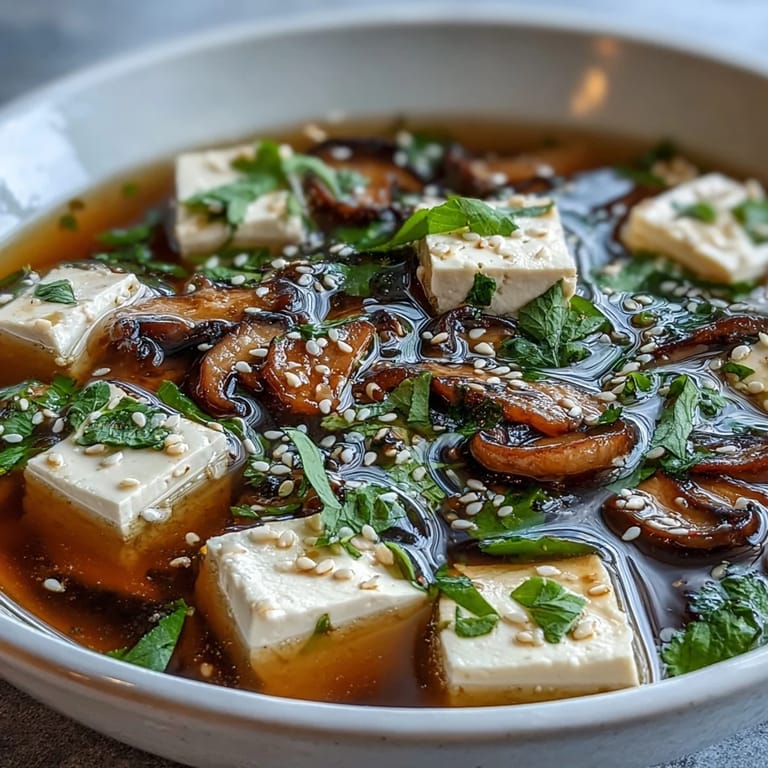
Save One rainy afternoon, I made this soup just for myself and ate it slowly at the counter, listening to the rain drumming on the roof. There was no one to impress, no timer to beat, just me and a bowl of something warm that tasted like care. I realized then that cooking for yourself with the same attention you give others is a quiet form of kindness.
What to Do with Leftovers
Store the soup in an airtight container in the fridge for up to three days, though the tofu may soften further and the vegetables will lose some crispness. Reheat gently on the stove over low heat, stirring carefully so the tofu does not fall apart. If you plan to make this ahead, consider keeping the tofu separate and adding it fresh when you reheat, which keeps the texture pristine.
Ways to Make It Your Own
This soup is endlessly adaptable, and I have tried it with snow peas, napa cabbage, and even thin rice noodles for a more filling version. A handful of enoki mushrooms adds a delicate texture, and a spoonful of miso stirred in at the end deepens the umami without overpowering the broth. Some nights I add a soft-boiled egg on top, and other times I keep it simple and let the vegetables speak for themselves.
Serving Suggestions
I like to serve this soup as a light dinner with a side of steamed jasmine rice or a small plate of spring rolls. It also works beautifully as a starter before a bigger meal, clearing the palate and warming everyone up. On particularly cold nights, I double the recipe and keep a pot simmering on the stove so people can help themselves to seconds.
- Pair it with a simple cucumber salad dressed in rice vinegar for a refreshing contrast.
- Serve it alongside crispy tofu bites or vegetable dumplings for a complete meal.
- Offer chili oil, extra lime, and fresh herbs at the table so everyone can customize their bowl.
 Save
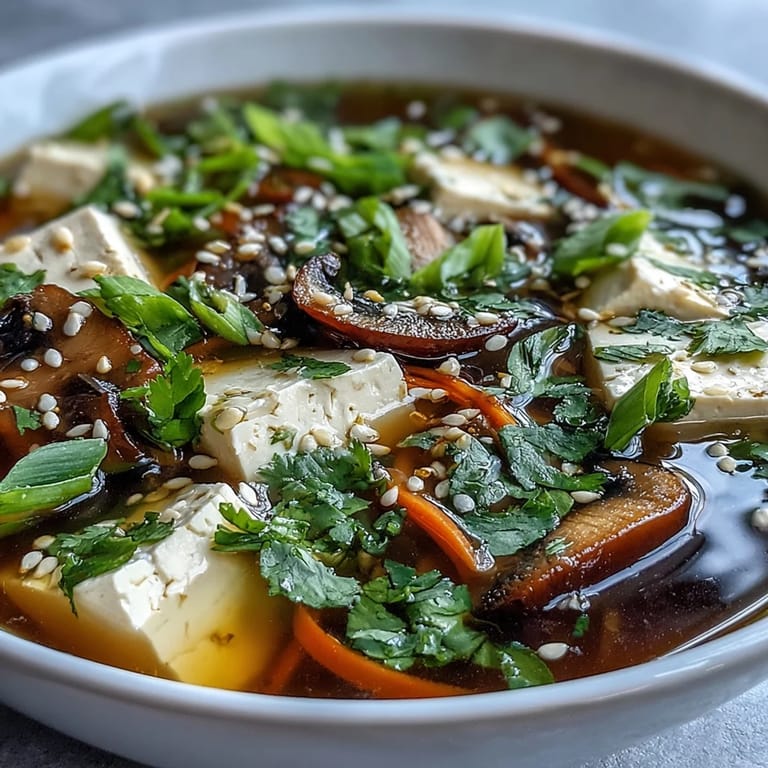
Save This soup has become my go-to on nights when I need something easy, nourishing, and quietly satisfying. I hope it brings the same warmth to your table that it has brought to mine.
Recipe Help & Answers
- → Can I use firm tofu instead of silken tofu?
Yes, firm tofu works well if you prefer more texture and sturdiness. It holds its shape better during cooking and creates a heartier soup. Cut it into slightly larger cubes if using firm varieties.
- → How do I make this soup spicy?
Add a dash of chili oil, fresh sliced chilies, or sriracha to taste before serving. You can also infuse the broth with bird's eye chilies while simmering for a subtle heat that builds throughout.
- → What vegetables can I substitute or add?
Try snow peas, napa cabbage, enoki mushrooms, or water chestnuts for added variety. Baby corn and bamboo shoots also work beautifully. Add heartier vegetables earlier in cooking and delicate ones near the end.
- → Is this soup suitable for a gluten-free diet?
Yes, simply replace regular soy sauce with tamari, which is naturally gluten-free. All other ingredients are naturally gluten-free, making this an excellent choice for those with gluten sensitivities.
- → How far in advance can I prepare the components?
Prep vegetables up to 4 hours ahead and store in airtight containers. Cube the tofu just before cooking to maintain its delicate texture. The broth base can be made a day in advance and gently reheated.
- → What makes silken tofu the best choice for this soup?
Silken tofu has a creamy, custard-like texture that complements the delicate broth beautifully. It absorbs flavors well while maintaining a subtle presence. The soft cubes melt slightly into the soup, creating a luxurious mouthfeel without overwhelming the other ingredients.