 Save
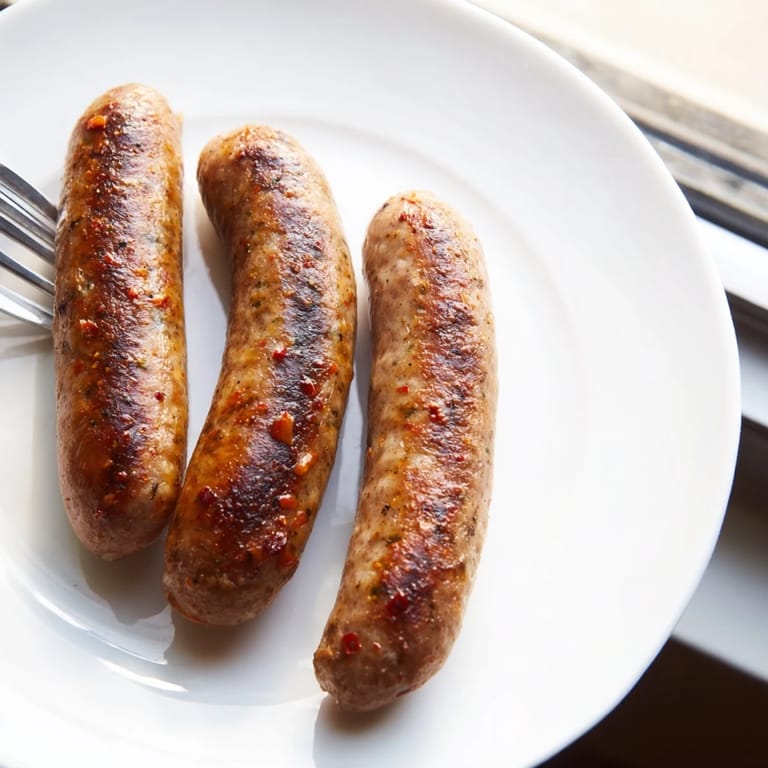
Save My first encounter with merguez was at a bustling Tunis market where the vendor grilled them right before my eyes, the smoke curling up with that intoxicating blend of harissa and cumin. I watched his hands move with practiced ease, turning each sausage just so, and when he wrapped one in warm flatbread with a squeeze of lemon, I understood immediately why this North African staple had survived centuries. Years later, I finally attempted to make them at home, thinking it would be some impossible feat requiring specialty equipment, only to discover that the real magic lives in the spices and the quality of the meat you choose.
I remember bringing these to a dinner party and watching my friend's face light up as she bit into one—she immediately asked if I'd bought them from some specialty butcher. The confession that I'd made them in my own kitchen felt like I'd just revealed a secret superpower, and from that moment on, merguez became my go-to move whenever I wanted to impress without the stress.
Ingredients
- Ground beef and lamb (500 g total): The combination gives you richness from the lamb and structure from the beef—use the freshest ground meat you can find, and if it's been frozen, thaw it properly so the texture stays tender.
- Harissa paste (2 tbsp): This is your secret weapon, the ingredient that makes people ask what's in these sausages; North African markets sell the best versions, but any quality brand will transform the whole dish.
- Cumin, coriander, smoked paprika, fennel, caraway (1 tbsp each cumin and coriander, 1 tsp others): Toast these whole before grinding if you have the time—it deepens their flavor dramatically and makes your kitchen smell like a spice market.
- Garlic, cilantro, and parsley (3 cloves minced, 2 tbsp each fresh herbs): Fresh herbs brighten everything and keep the sausages from tasting one-dimensional; never skip these.
- Cayenne and black pepper (1 tsp cayenne, ½ tsp black pepper): Adjust the cayenne down if you prefer milder heat, but don't eliminate it entirely—it's what gives merguez its signature kick.
- Cold water and salt (2 tbsp water, 1 tsp salt): The water acts as a binder and keeps the meat tender as it cooks; don't add it all at once or your mixture becomes mushy.
- Sausage casings (1.5 m sheep casings, soaked): These are optional but worth seeking out—natural casings give you that authentic snap when you bite through, and they're easier to find than you'd think at any good butcher.
Tired of Takeout? 🥡
Get 10 meals you can make faster than delivery arrives. Seriously.
One email. No spam. Unsubscribe anytime.
Instructions
- Combine your meat foundation:
- In a large bowl, mix the ground beef and lamb together with your hands until they're evenly blended. Don't overwork it—you're just looking for them to marry, not for the mixture to become dense or warm.
- Build the flavor base:
- Add the minced garlic, harissa paste, cumin, coriander, smoked paprika, fennel, caraway, cayenne, salt, and pepper, stirring constantly until every bit of meat is coated in that beautiful russet spice blend. You should see no white streaks of meat left.
- Incorporate fresh herbs and binder:
- Fold in the cilantro and parsley, then add the cold water a little at a time, mixing until the whole thing feels sticky and cohesive—like it wants to hold together. The mixture should feel wet enough to cling but not sloppy.
- Fill your casings (or shape without):
- If using casings, fit them onto a sausage stuffer or the wide nozzle of a piping bag and carefully fill with the meat mixture, twisting into 5-to-6-inch links as you go. If skipping casings, shape the mixture into logs and refrigerate for 30 minutes so they firm up enough to handle.
- Get your grill ready:
- Heat a grill or grill pan over medium-high heat until it's hot enough that water sizzles on contact. You want a good char without cooking the inside too fast.
- Grill with patience and attention:
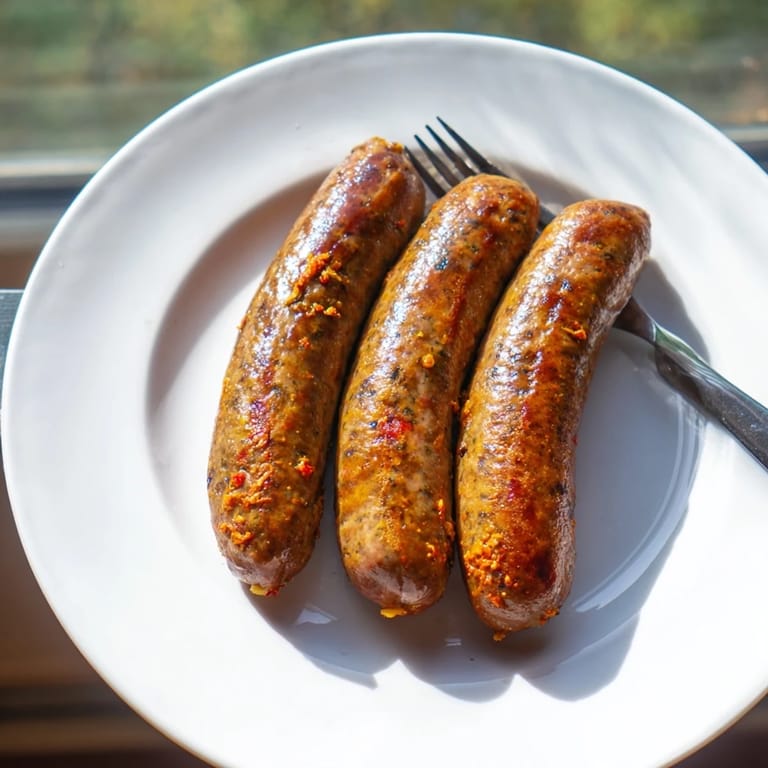
- Place the sausages on the grill and let them sit for a minute or two before turning—resist the urge to fuss. Turn occasionally over 8 to 10 minutes total, watching for a deep golden-brown exterior and checking that the inside is cooked through.
- Rest and serve:
- Let them cool for just a minute so you don't burn your mouth, then serve immediately while they're still warm and steaming, ideally wrapped in flatbread or nested into a baguette.
 Save
Save These sausages became comfort food for me in an unexpected way—they're what I make on nights when I want something that tastes like travel and adventure but doesn't require leaving my own kitchen. There's something deeply satisfying about taking a handful of spices and transforming simple ground meat into something that tastes like it's been in my family for generations.
Serving Suggestions That Transform Them
The beauty of merguez is that they're versatile enough to work at any meal, though they shine brightest when served warm and still steaming. Wrap them in soft flatbread with a dollop of mint yogurt and a scattered handful of fresh herbs, or slice them into a warm baguette with harissa mayo and grilled onions. They're equally at home over a mound of fluffy couscous alongside roasted vegetables, or served as part of a mezze spread with olives, cheeses, and pickled vegetables for a casual sharing meal.
Making Them Your Own
Once you've made merguez once, you'll start imagining variations—some cooks add a touch of wine, others incorporate pomegranate molasses for tartness, and I've experimented with adding a handful of pine nuts for texture. The core spice blend is what makes them authentically merguez, but the details are yours to play with based on what you love and what you have on hand.
Storage and Make-Ahead Magic
These sausages are one of my favorite things to make in advance because they actually taste better after a day or two, as if the spices need a moment to settle and deepen. Keep them in the refrigerator for up to three days, or freeze them raw for up to two months—just add an extra minute to the grill time if cooking from frozen. You can also make the meat mixture a full day ahead and stuff your casings just before you plan to grill, which means you get all the reward with even less last-minute effort.
- A small dice of preserved lemon stirred into a yogurt sauce becomes the perfect cool counterpoint to the heat of the sausages.
- Grill them in the morning and serve them at room temperature with pita bread for an easy lunch that tastes intentional and delicious.
- If you don't have fresh cilantro or parsley, use whatever soft herbs you have—mint and dill both work beautifully here.
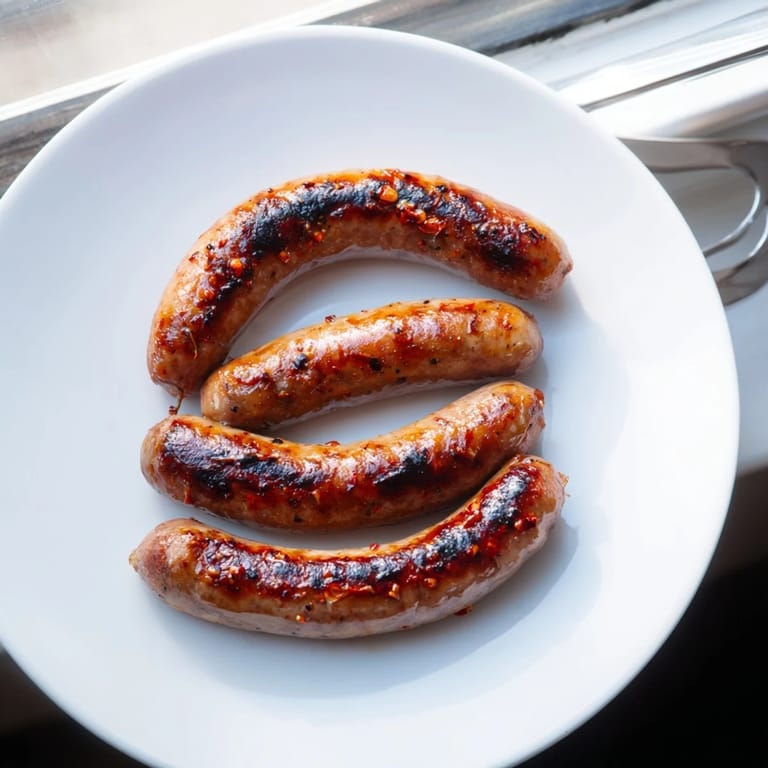 Save
Save Making merguez at home is one of those small kitchen victories that stays with you, transforming how you think about cooking and what's actually possible in an ordinary evening. Once you taste the difference between homemade and anything else, you'll understand why this sausage has endured for so long across continents.
Recipe Help & Answers
- → What meats are used in Tunisian Merguez sausage?
It combines ground beef and lamb, providing a rich and balanced flavor profile typical of North African cuisine.
- → Which spices give Merguez its distinctive taste?
Key spices include harissa paste, cumin, coriander, smoked paprika, fennel, caraway, and cayenne pepper for heat.
- → Can I make Merguez without sausage casings?
Yes, you can shape the mixture into patties or skinless sausages, which still retain the full flavor and texture.
- → How is Merguez traditionally cooked?
Typically grilled or cooked on a grill pan over medium-high heat until browned and fully cooked.
- → What dishes pair well with Merguez?
Merguez complements flatbreads, couscous, fresh salads, and bold red wines like Syrah or minty yogurt sauces.