 Save
Save My college roommate Sarah taught me to make fried rice at 2 AM after our shifts at the campus diner ended. We would raid the walk-in fridge for whatever vegetables survived the dinner rush, and she showed me how the wok should hiss and sing when you add cold rice to hot oil. The smell of ginger hitting that oil still pulls me back to those tiny kitchen conversations that stretched until dawn. Now I make this when I need something fast but substantial, and I always think of how Sarah claimed the secret was confidence more than technique.
Last Tuesday my daughter helped me chop the vegetables while we talked about her day at school. She kept sneaking pieces of raw bell pepper and sweet corn, claiming quality control was essential. Cooking together like this has become our thing, and seeing her face light up when the wok starts sizzling makes me realize these moments matter more than the food itself. Though the rice is pretty excellent too.
Ingredients
- 3 cups cooked jasmine rice: Day-old rice from the refrigerator is non-negotiable here because fresh rice turns into gummy disappointment, and I learned this the embarrassing way when I tried to shortcut it once
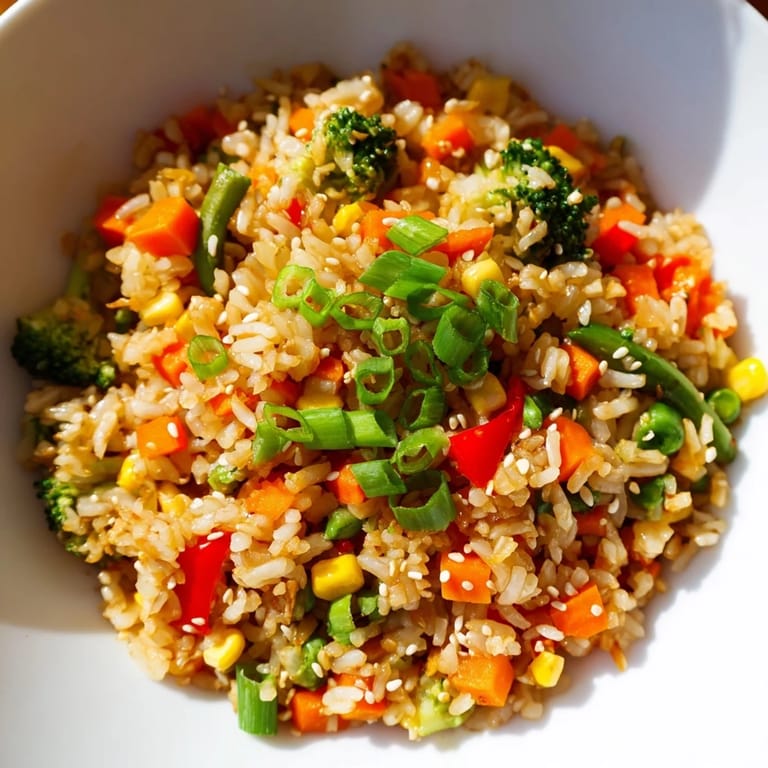
- 1 cup diced carrots: These add sweetness and stay pleasantly crisp-tender, plus they make the whole dish look cheerful with their bright orange
- 1 cup bell pepper: Any color works but I like red for the visual pop against all the other vegetables
- 1 cup frozen peas: Thawed first so they do not cool down your pan when you add them
- 1 cup small broccoli florets: Cut them smaller than you think you should because big pieces take forever to cook through
- 1/2 cup sweet corn: Fresh or frozen both work, but frozen is easier and tastes just as sweet
- 1/2 cup chopped green beans: Provide a satisfying snap in every bite
- 3 sliced green onions: Save some of the green tops for garnish because that pop of fresh onion flavor at the end matters
- 2 cloves minced garlic: Fresh garlic only, never the jarred stuff which tastes sad and metallic
- 1-inch piece minced ginger: Peel it with a spoon instead of a knife to waste less, and mince it finely so nobody gets an overwhelming spicy chunk
- 3 tbsp soy sauce: Tamari works perfectly if you need this gluten-free
- 1 tbsp sesame oil: Toasted sesame oil has way more flavor than regular, so do not skip the toasted part
- 1 tbsp vegetable oil: Canola or sunflower both have neutral flavors that let the vegetables shine
- 1 tsp toasted sesame seeds: Optional but they add such a nice nutty crunch on top
- 1/2 tsp white pepper: Black pepper works too but white is traditional and you will not see black flecks in your finished rice
- Salt to taste: You might not need much since soy sauce is already salty, so always taste first
Tired of Takeout? 🥡
Get 10 meals you can make faster than delivery arrives. Seriously.
One email. No spam. Unsubscribe anytime.
Instructions
- Get your pan seriously hot:
- Heat that vegetable oil in your largest wok or skillet over medium-high until it shimmers and moves like liquid mercury when you tilt the pan
- Wake up the aromatics:
- Toss in the garlic and ginger and stir for exactly 30 seconds until you can smell them everywhere in your kitchen, because burned garlic tastes bitter and ruins everything
- Add the harder vegetables:
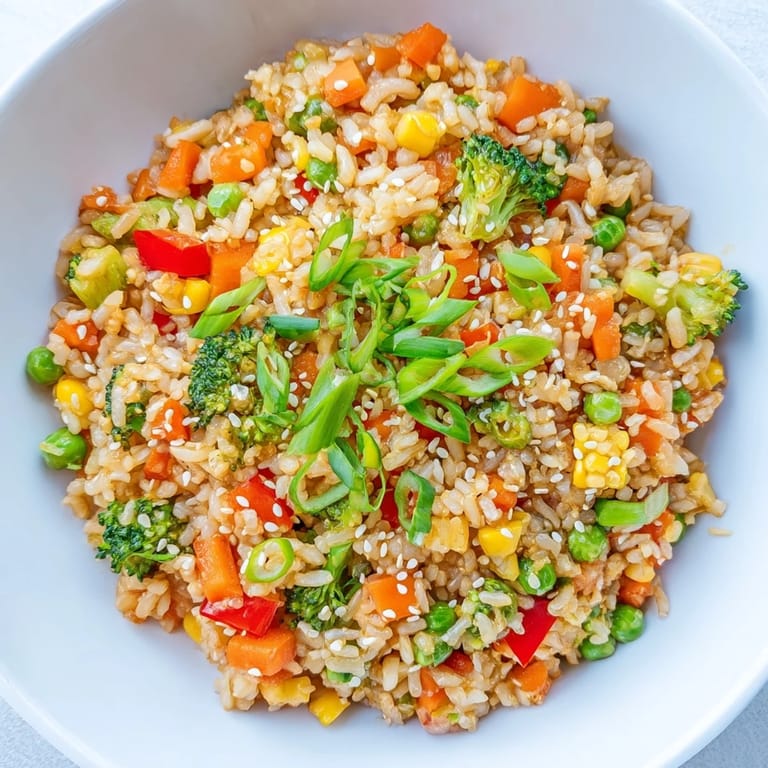
- Dump in the carrots, bell pepper, broccoli, green beans, and corn then stir-fry for 3 to 4 minutes until they are bright in color and tender-crisp but still have some crunch
- Bring in the softer stuff:
- Stir in the peas and most of your green onions, saving the prettiest green pieces for later, and cook for just 1 minute
- Introduce the rice:
- Crank the heat to high and add your cold rice all at once, breaking up clumps with your spatula and stir-frying for 2 to 3 minutes until every grain is hot and coated in oil
- Season everything generously:
- Drizzle the soy sauce and sesame oil over the rice, sprinkle with pepper, and toss like you mean it until the color is evenly distributed
- Taste and trust yourself:
- Take a tiny bite and decide if you need more salt or soy sauce, then adjust accordingly
- Finish it beautifully:
- Pull the pan off the heat, scatter those reserved green onions and sesame seeds on top, and serve immediately while it is still piping hot
 Save
Save My neighbor asked for the recipe after she smelled the ginger and garlic wafting through our shared hallway. Now we make fried rice together on Friday nights and take turns hosting, which has turned into something I look forward to all week. Food really does bring people together in the simplest ways.
Making It Your Own
Once you have the basic technique down, fried rice becomes a clean-out-the-fridge situation where almost anything works. I have added mushrooms, zucchini, snap peas, even leftover roasted vegetables, and it always turns out delicious. The key is cutting everything into similar small pieces so everything cooks evenly.
Protein Options
Scrambled eggs make this feel more substantial if you crack them into the hot pan before adding the rice and scramble them quickly until just set. Cubed tofu works beautifully too, just press the excess water out first and fry it until golden before you start the vegetables. Leftover chicken or shrimp from another meal can be added in the last 2 minutes just to heat through.
Serving Suggestions
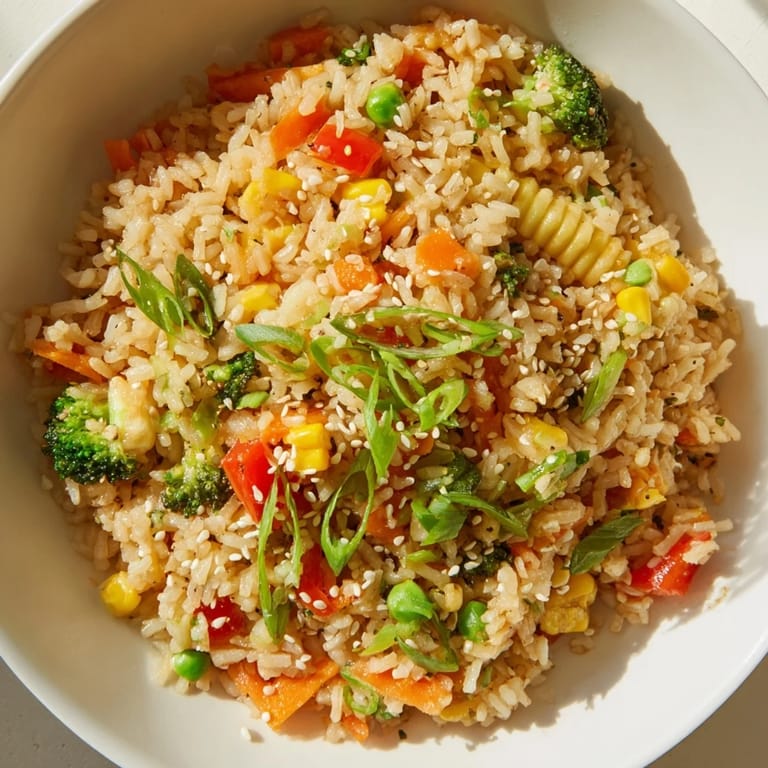
This fried rice stands perfectly on its own as a complete meal, but it also pairs wonderfully with simple Asian-inspired dishes. A cucumber salad with rice vinegar dressing cuts through the richness beautifully, or serve it alongside potstickers or spring rolls for a more spread-worthy dinner.
- Chili garlic sauce on the table lets everyone control their own heat level
- Extra soy sauce and sesame oil should be within reach because people love to customize
- Hot rice is essential because reheated fried rice never quite recovers its original magic
 Save
Save Fried rice taught me that humble ingredients treated with respect and attention can become something genuinely special. Hope this becomes a staple in your kitchen like it has in mine.
Recipe Help & Answers
- → Why use day-old rice for stir-frying?
Day-old, refrigerated rice has lower moisture content, which prevents the grains from becoming mushy or sticky during high-heat stir-frying. The drier rice separates easily and develops slightly crispy edges for better texture.
- → Can I use freshly cooked rice instead?
Freshly cooked rice can work if spread on a baking sheet and chilled for 30-60 minutes to dry slightly. Alternatively, reduce the liquid when cooking fresh rice by 1-4 cup to achieve a firmer texture that holds up better during stir-frying.
- → What vegetables work best in fried rice?
Firm vegetables that cook quickly are ideal: carrots, bell peppers, broccoli florets, snap peas, corn, and green beans all maintain their crunch. Avoid watery vegetables like zucchini or tomatoes unless added at the very end.
- → How do I prevent the rice from sticking to the wok?
Use a well-seasoned wok or non-stick skillet with enough oil to coat the surface. Keep the heat high and keep the rice moving constantly with your spatula. Breaking up clumps before adding helps distribute heat evenly.
- → Can I make this dish protein-rich?
Absolutely—scramble eggs directly in the wok before adding rice, or add cubed tofu when stir-frying the vegetables. Shredded chicken, shrimp, or edamame also work beautifully as protein additions.
- → What's the best way to reheat leftovers?
Reheat in a wok or skillet over medium-high heat with a splash of water or oil to refresh the texture. Microwaving tends to make rice soft and uneven—stir-frying restores those crispy edges and separates the grains.