 Save
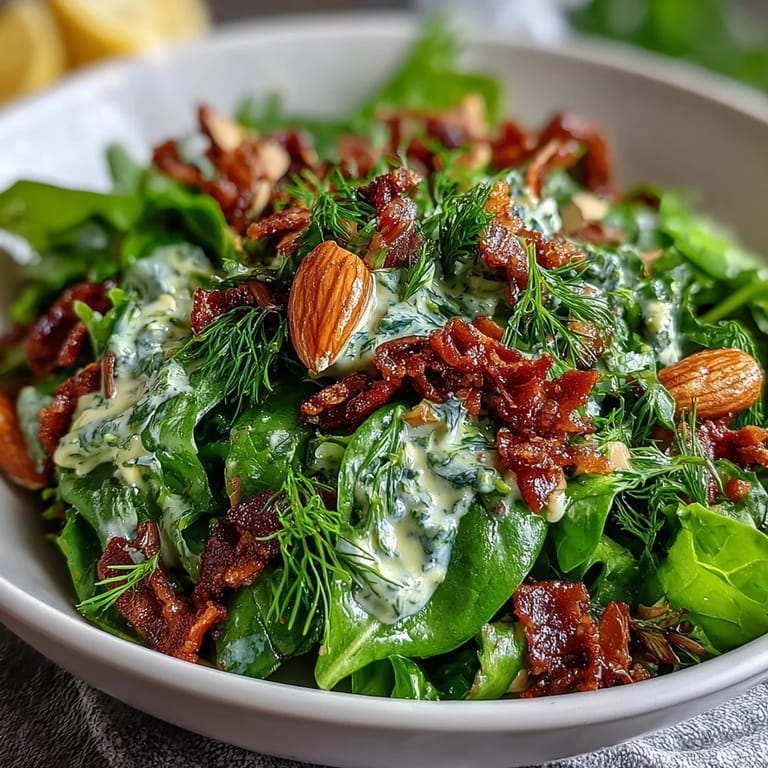
Save There's something about spring greens that makes you feel like you're eating straight from a farmer's market on a sunny afternoon. I discovered this salad completely by accident one March when I had a pile of crisp vegetables and a nearly-empty pantry, minus some quality olive oil and a jar of Dijon mustard I'd been saving for something special. That first bite, with the warmth of toasted almonds cutting through the bright, tangy dressing, felt like spring had actually arrived in my kitchen. It's become my go-to when I want something that feels both simple and intentional, ready in the time it takes to brew a cup of tea.
I made this for my sister last summer when she arrived unannounced with her partner, and I wanted to serve something that felt thoughtful without spending hours in the kitchen. While I was slicing radishes, my nephew wandered in asking what smelled so good—it was just the almonds toasting, but he was convinced something magical was happening. The salad came together so quickly that we were all eating within twenty minutes, laughing at how the snap peas kept escaping across the cutting board like little green acrobats. That's when I realized this recipe's real gift: it buys you time to actually enjoy people while still serving something that tastes like you spent the afternoon on it.
Ingredients
- Mixed spring greens (arugula, baby spinach, watercress, baby lettuce): The variety matters here because each green brings its own personality—arugula's peppery edge, spinach's mild earthiness, watercress's crisp bite—and together they create complexity without heaviness.
- Snap peas: These add a refreshing sweetness and that satisfying crunch that makes people actually want to eat salad, plus they're tender enough to eat raw without any prep beyond a quick trim.
- Cucumber: A small one keeps the watery content in check; I've learned the hard way that overly large cucumbers can turn a salad soggy within minutes of dressing it.
- Radishes: Slice them thin so they distribute their peppery flavor throughout rather than sitting as dense little coins that overshadow everything else.
- Fresh chives and parsley: These aren't just garnish—they're flavor anchors that brighten the whole dish and should be chopped just before assembly so they stay fragrant.
- Sliced almonds, toasted: Never skip the toasting step; it transforms them from pleasant to absolutely essential, releasing oils that add depth to every bite.
- Extra virgin olive oil: This is where quality actually matters because it's tasting raw, so use one you'd be happy eating straight from the bottle.
- Apple cider vinegar and lemon juice: Together they create a brighter acidity than either one alone, which is the secret to a dressing that doesn't feel sharp or one-dimensional.
- Dijon mustard: The emulsifier that keeps the dressing from separating and the ingredient that gives the whole thing its backbone and personality.
- Honey: Just enough to soften the vinegar's edge without making anything sweet; it's the hand-holding between sharp and smooth.
- Garlic clove: Minced small and raw, it stays whisper-quiet in the background rather than shouting, which is exactly how it should be.
Tired of Takeout? 🥡
Get 10 meals you can make faster than delivery arrives. Seriously.
One email. No spam. Unsubscribe anytime.
Instructions
- Toast the almonds until golden:
- Spread them in a dry skillet over medium heat and stir constantly for about two to three minutes—you'll smell when they're almost done, then give them thirty more seconds after that because they keep cooking on the hot pan. This step is non-negotiable if you want that nutty depth that makes people keep reaching for more salad.
- Whisk the dressing into being:
- Combine the oil, vinegars, mustard, honey, and minced garlic in a small bowl and whisk until it looks emulsified and creamy, then taste it and adjust the seasoning because your salt and pepper preferences matter here. If it tastes too sharp, add another half teaspoon of honey; too dull, add a squeeze more lemon.
- Combine the greens and vegetables:
- Toss everything into a large salad bowl while the almonds are still cooling—this is the moment to admire how vibrant everything looks before it gets dressed. The bowl should smell fresh and green, like you've captured spring itself.
- Dress and toss gently:
- Drizzle the dressing over the salad and use two spoons or salad tongs to toss everything together with a light hand, making sure every piece gets coated without bruising the delicate greens. This should take about a minute, no more, or the greens will start to wilt under the weight of the liquid.
- Top with almonds at the last moment:
- Scatter the cooled almonds across the top right before you serve it so they stay crispy and don't absorb moisture from the dressing. This timing detail makes the difference between a salad that stays interesting throughout the meal and one that turns soft and sad halfway through.
 Save
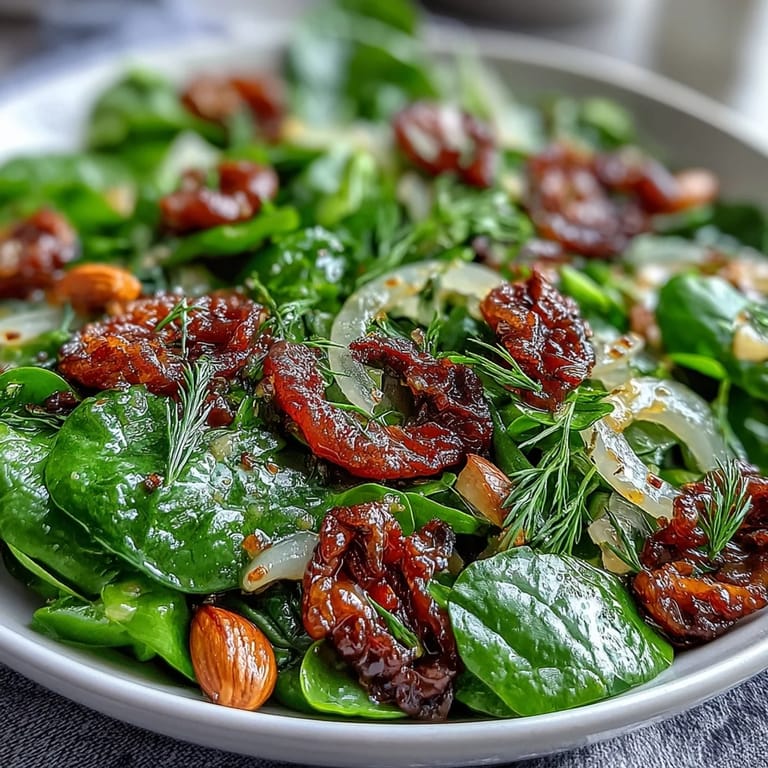
Save My grandmother tasted this salad once and said it reminded her why she'd stopped trying to impress people with heavy food—that a well-made salad with good ingredients was itself a kind of elegance. I think about that every time I make it, how something so simple and straightforward can still feel like a gift to the people eating it.
Why This Works as a Spring Dish
Spring greens have a delicate, almost tender quality that winter lettuces don't possess, and they pair perfectly with the brightness of lemon and apple cider vinegar rather than the heavier vinegars that work better with heartier salads. The snap peas are at their peak in spring, sweet and crisp in a way that makes them taste like something worth eating rather than something you should eat. Radishes too feel like a spring vegetable—peppery, alive, refreshing—and they need companion flavors that match their energy rather than tame them.
Adapting This Salad Without Losing Its Soul
I've made this salad a hundred ways depending on what I had on hand, and I've learned which swaps work and which ones fundamentally change the dish. You can add crumbled goat cheese if you want richness, or shaved parmesan if you want umami and salt, but know that either one tips the salad toward something more indulgent and less refreshing. Sunflower seeds work if you don't have almonds, though they're milder and less nutty, and honestly that's fine because the dressing is strong enough to carry the dish either way.
Serving Suggestions and Storage
This salad is best eaten immediately after assembly, while every element is at peak texture and the greens haven't started to surrender to the dressing. If you need to make it ahead, keep everything separate and dress it just before serving—I've learned to bring the dressing in a small jar so people can add as much or as little as they want. For storage, keep the undressed greens in a container with a paper towel that absorbs excess moisture, the dressing in a separate sealed jar, and the almonds in an airtight container so they don't absorb humidity and turn soft.
- Pair it with grilled fish or chicken for a light dinner, or serve it as the opening course to something more substantial.
- A chilled white wine like Sauvignon Blanc or a dry rosé will make this feel like lunch at a sun-drenched restaurant rather than something you threw together at home.
- For a vegan version, swap the honey for maple syrup in the dressing and skip any cheese additions—the salad is honestly better for the simplicity.
 Save
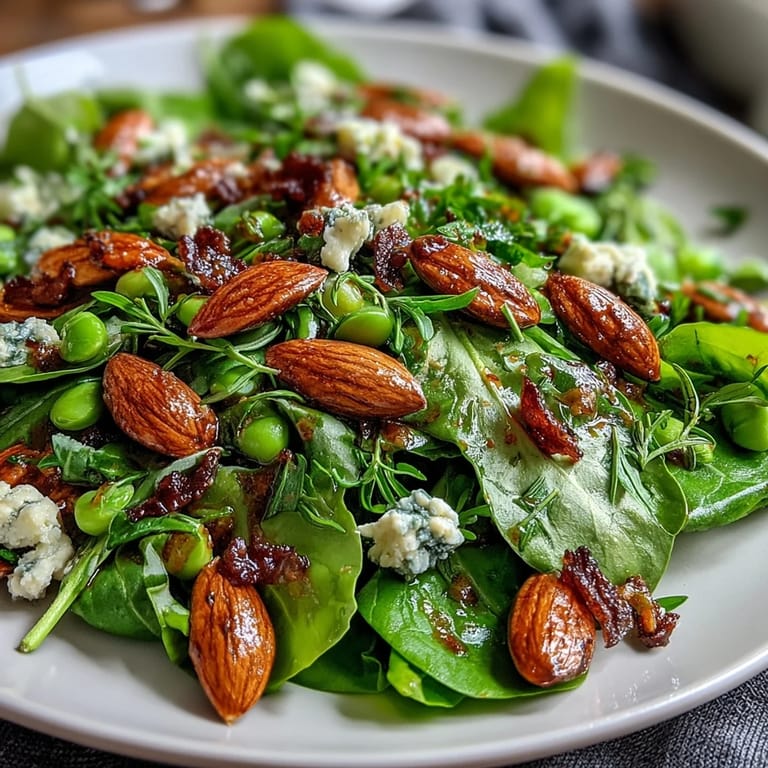
Save This salad has become my answer to the question, How do I make something that tastes restaurant-quality without spending half my evening cooking? It's proof that a few good ingredients handled with care can feel special without any fuss, and that's really all cooking needs to be.
Recipe Help & Answers
- → What greens are best for this salad?
A mix of arugula, baby spinach, watercress, and baby lettuce creates the ideal fresh and crisp base.
- → How do I toast the almonds properly?
Toast sliced almonds in a dry skillet over medium heat for 2–3 minutes, stirring often until golden and fragrant.
- → Can I substitute honey in the dressing?
Yes, maple syrup works well as a vegan alternative to honey, maintaining the dressing’s sweetness.
- → What is the role of Dijon mustard in the dressing?
Dijon mustard adds a mild tang and depth, balancing the sweetness of honey and acidity from vinegar and lemon juice.
- → How can I keep the salad fresh before serving?
Combine the greens and vegetables just before dressing and add toasted almonds right before serving to maintain crunch.