 Save
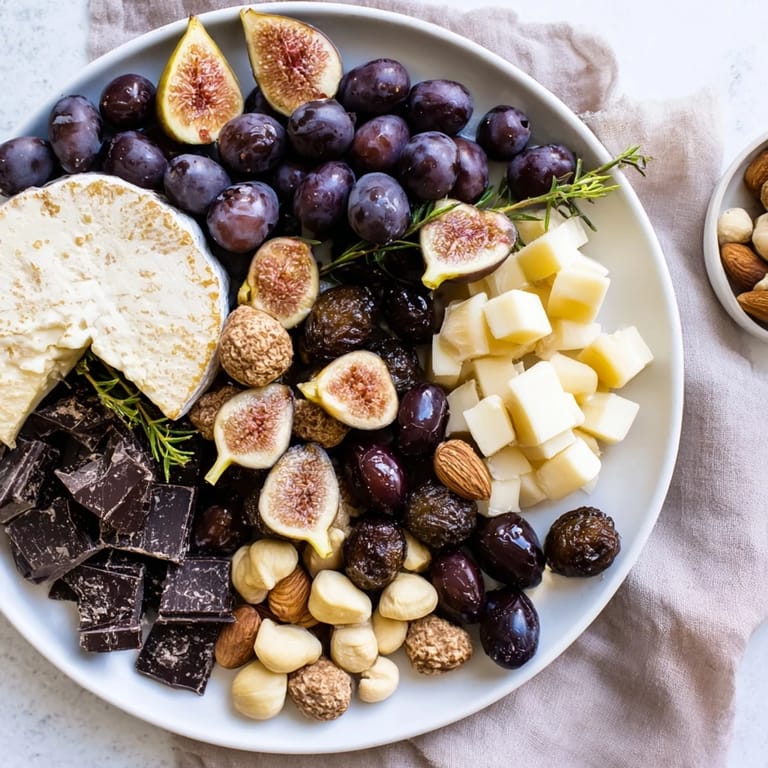
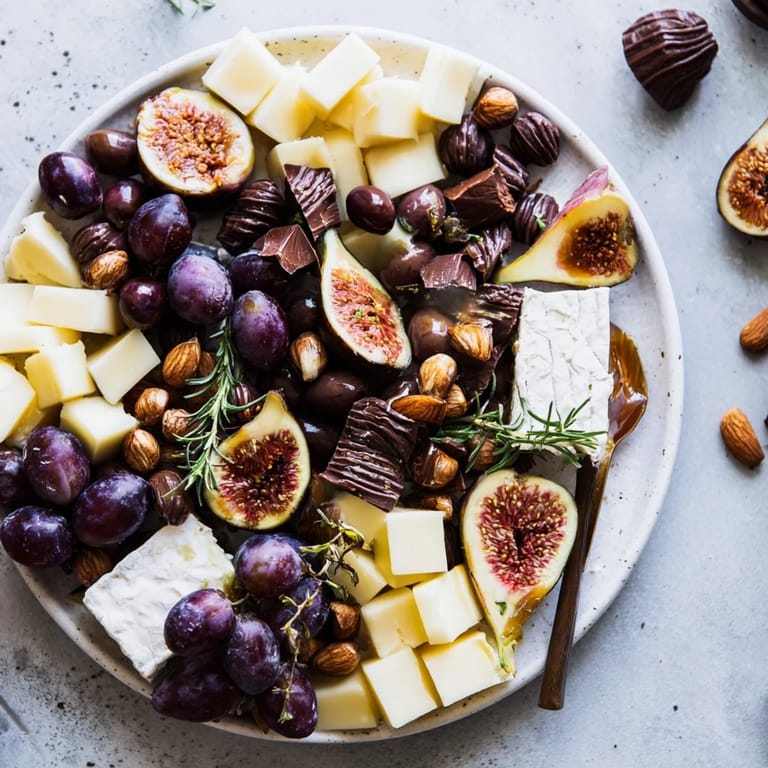
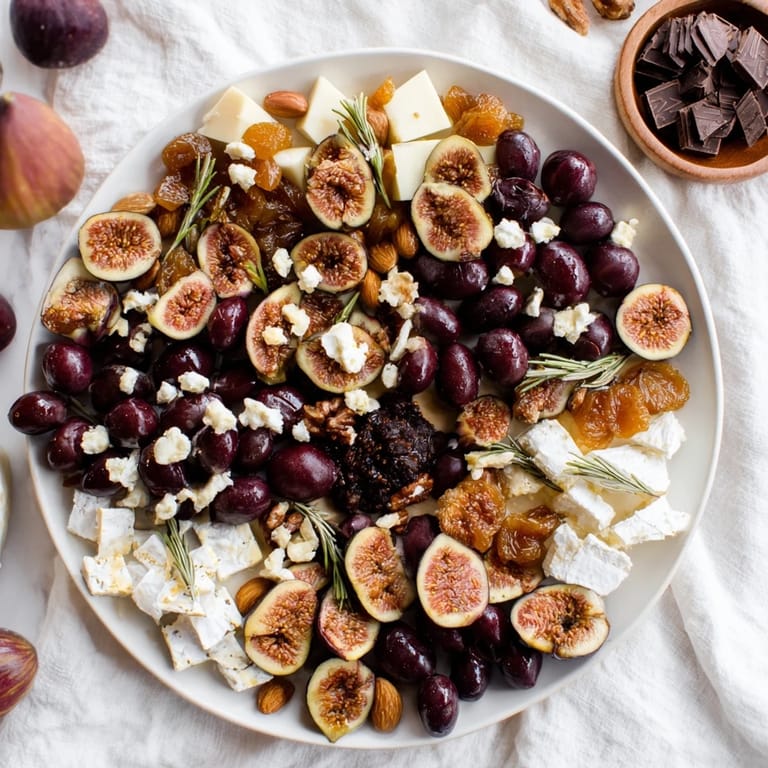
Save There's something about the winter solstice that makes me want to build something with my hands, and a few years ago that impulse led me to arranging a board that split itself right down the middle—dark and light, like the day itself. I'd been reading about the symbolism while waiting for my oven to preheat, and suddenly I wanted to eat that metaphor. The board came together so naturally that night, olives and figs on one half catching the low winter light like shadows, while the Brie and pears glowed on the other side like little promises of spring.
I made this board for the first time during a small gathering on the darkest day of the year, and I watched people slow down around it in a way that surprised me. Someone would reach for an olive, then a slice of pear, then pause to try them together, and suddenly everyone was being intentional about what they were eating instead of just grazing mindlessly. That's when I knew I'd stumbled onto something good—not just food, but a way of creating a moment.
Ingredients
- Kalamata olives: These bring a deep, briny anchor to the dark side; pitting them yourself means they stay plump and aren't waterlogged like pre-pitted ones sometimes are.
- Oil-cured black olives: They're denser and more intense than Kalamatas, almost meaty, which makes them feel substantial rather than just salty.
- Dried mission figs: Halving them exposes their inner sweetness and makes them easier to pair with other elements; they're the bridge between the savory and sweet.
- Fig jam: A small dollop goes a long way—it's there to deepen the sweetness and offer a place for cheese to rest.
- Dark chocolate: Break it into irregular pieces so it doesn't look too formal; the slight bitterness balances the fruit beautifully.
- Roasted almonds: Buy them already roasted so you're not adding another step, and they bring a warm, toasty contrast to the chewy figs.
- Fresh rosemary: A single sprig becomes your dividing line and fills the whole board with pine-like warmth.
- Ripe Brie: The riper it is, the more it'll spread onto crackers and pear slices, so aim for one that yields slightly to pressure without being soft all the way through.
- Pears: Slice them just before serving or they'll brown; a squeeze of lemon helps, though it changes the flavor slightly.
- Honeycomb: If you can find it, it adds a textural element that honey alone can't match; if not, warm honey drizzled just before serving works just fine.
- Toasted walnuts: They're earthier and less sweet than almonds, which keeps the light side from tipping too far into dessert territory.
- Seedless green grapes: They're your freshness, your crunch, your little palate cleanser between bites of richer things.
- Fresh thyme: Use it to anchor the light side visually and add a subtle herbal note that echoes the rosemary across the divide.
- Baguette slices: Slice them on an angle so they're bigger and less likely to crumble; toasting them lightly keeps them from getting soggy under cheese.
- Assorted crackers: Mix textures—some thin and crispy, some seeded or herbed—so people have choices depending on what they're pairing with.
Tired of Takeout? 🥡
Get 10 meals you can make faster than delivery arrives. Seriously.
One email. No spam. Unsubscribe anytime.
Instructions
- Divide your canvas:
- Lay out your board and run a line of fresh rosemary down the middle, or create a row of crackers as your dividing line. This is your moment to set the symbolic intention, so take a breath and make it intentional.
- Build the dark side:
- Start with the olives clustered together, then tuck the halved figs into the gaps. Drizzle the fig jam into a small space, scatter the dark chocolate pieces so they catch light, and pile the roasted almonds in a corner. Let the rosemary frame it all.
- Build the light side:
- Place the Brie where it can be the centerpiece—it'll be the thing people reach for first. Fan the pear slices, scatter the grapes, nestle the walnuts, and if you're using honeycomb, position it so it's easy to see. Finish with thyme sprigs tucked between elements.
- Add the supporting players:
- Arrange your baguette slices and crackers along the center divide or on a small separate plate nearby. This keeps them from getting lost and makes it easy for people to construct their own bites.
- Serve and watch it disappear:
- Bring it out at room temperature, step back, and let people discover their own balance between the two halves.
 Save
Save The real magic happened when my sister reached across the divide and took a piece of dark chocolate in one hand and a grape in the other, then tried them together and looked genuinely surprised that it worked. That moment reminded me that a board isn't really about the individual ingredients—it's about the small discoveries people make when they're given permission to play with their food.
The Symbolism Behind the Split
I love that this board mirrors the winter solstice itself—the moment of balance between darkness and light before the days start lengthening again. But it's not a precious or heavy kind of symbolism; it's there if you want it, woven into the way your eye moves across the board, but it doesn't demand anything. You can eat the whole thing without thinking about seasons and cycles, or you can lean into it and feel like you're eating something with meaning. The board works either way, which feels right for a winter gathering when everyone's carrying different amounts of heaviness.
Building Your Own Version
The beauty of this board is that it works with whatever you have in your pantry or can grab from the market on short notice. I've made it with roasted red peppers and aged cheddar on the light side, or with prosciutto and artisanal salami scattered across the dark half. The framework stays the same—something rich and deep on one side, something fresh and bright on the other—but the ingredients can shift with the season or your mood. It's forgiving in that way, almost impossible to mess up because the balance is more about contrast than precision.
Pairing and Serving Suggestions
I've learned that what you pour matters as much as what you arrange. A dry sparkling wine cuts through the richness of the Brie and brings out the sweetness of the figs, while a light-bodied red wine—something like Pinot Noir—doesn't overpower the delicate pear slices. If you're not drinking, sparkling cider or even good ginger ale works beautifully, especially if people are gathering on a cold evening. The board itself is a meal, but it's also the kind of thing that makes people want to linger and talk, so give yourself permission to set it out and step away from the kitchen.
- Serve everything at room temperature so flavors stay bright and the Brie reaches its perfect, spreadable state.
- If you're making this ahead, assemble the dark side first since olives and chocolate don't change, then add the light side elements just before guests arrive.
- Don't be shy about refilling empty spots as people eat—the board evolves, and keeping it full keeps the energy alive.
 Save
Save This board has become my winter solstice ritual, the one thing I know how to make that actually tastes like intention. Every year I arrange it a little differently, but the feeling stays the same—that quiet moment of balance before the light returns.
Recipe Help & Answers
- → How do I balance flavors on the board?
Divide the board in half with contrasting ingredients—savory olives and nuts on one side, fresh cheeses and fruits on the other—to create harmony.
- → Can I substitute the Brie cheese?
Yes, creamy cheeses like Camembert or Roquefort work well as alternatives to Brie.
- → What garnishes enhance the board’s presentation?
Fresh herbs like rosemary and thyme add aromatic garnish and visual appeal to complement the flavors.
- → Are there good pairings with this board?
Dry sparkling wines or light-bodied reds complement the balance of rich and fresh flavors beautifully.
- → How can I adjust for dietary needs?
Omit prosciutto for vegetarian guests and substitute gluten-free crackers or breads to accommodate gluten sensitivities.